Navajo Art: Tradition, Craft, and Contemporary Expressions
Navajo art—often identified by the Diné people’s distinctive weavings, silver-and-turquoise jewelry, and ritual arts—remains a vibrant part of Indigenous creativity and cultural expression. Rooted in traditional knowledge and materials, it also adapts to contemporary tastes, making it essential for collectors, designers, and anyone who appreciates authentic craft to understand what defines Navajo work and how to support it ethically.
Weaving and Textiles
Navajo weaving is one of the most recognizable forms of Native American textile art. Traditionally made from hand-spun wool and woven on upright looms, these rugs and blankets showcase geometric patterns, bold stripes, and more intricate motifs that often reference landscape, cosmology, or clan symbolism. Distinct regional styles emerged through trade and movement, each with signature color palettes and design vocabulary. Look for dense, even weaving, natural or hand-dyed wool, and artists’ signatures or labels to verify provenance. Care and preservation are important: avoid machine washing, keep pieces out of prolonged direct sunlight, and consult a textile conservator for significant restorations.
Jewelry and Metalwork
Silverwork combined with turquoise has become emblematic of Navajo artistry. Techniques such as stampwork, overlay, and stone-setting create pieces ranging from simple earrings to elaborate squash blossom necklaces and concho belts. Natural turquoise varies widely in color and matrix patterns; stabilized or reconstituted stones are common in more affordable jewelry, while collectors often seek natural, untreated stones.
Hallmarks, artist signatures, and receipts help confirm authenticity. Supporting Native jewelers directly—through markets, galleries that represent Indigenous artists, or verified online platforms—ensures proceeds return to the community.
Sandpainting, Pottery, and Painting
Sandpainting plays a central role in Diné healing ceremonies, and while the ceremonial forms are sacred and not typically sold, fine art sandpaintings created for collectors reflect the technique’s aesthetic influence without compromising ritual integrity. Navajo pottery, painting, and contemporary mixed-media works also continue to evolve, blending traditional motifs with modern materials and storytelling.
Contemporary Voices and Innovation
Contemporary Navajo artists reinterpret traditional forms and themes through photography, installation, fashion, and collaborative projects. Many artists balance cultural continuity with personal expression, addressing identity, environment, and social issues.
This dynamic fusion expands the market for Native art while challenging collectors to recognize the living, evolving nature of Indigenous creativity.
Ethical Collecting and Avoiding Appropriation
Demand for Native American-style goods has led to widespread imitations and mass-produced items that appropriate designs without benefiting Native communities.
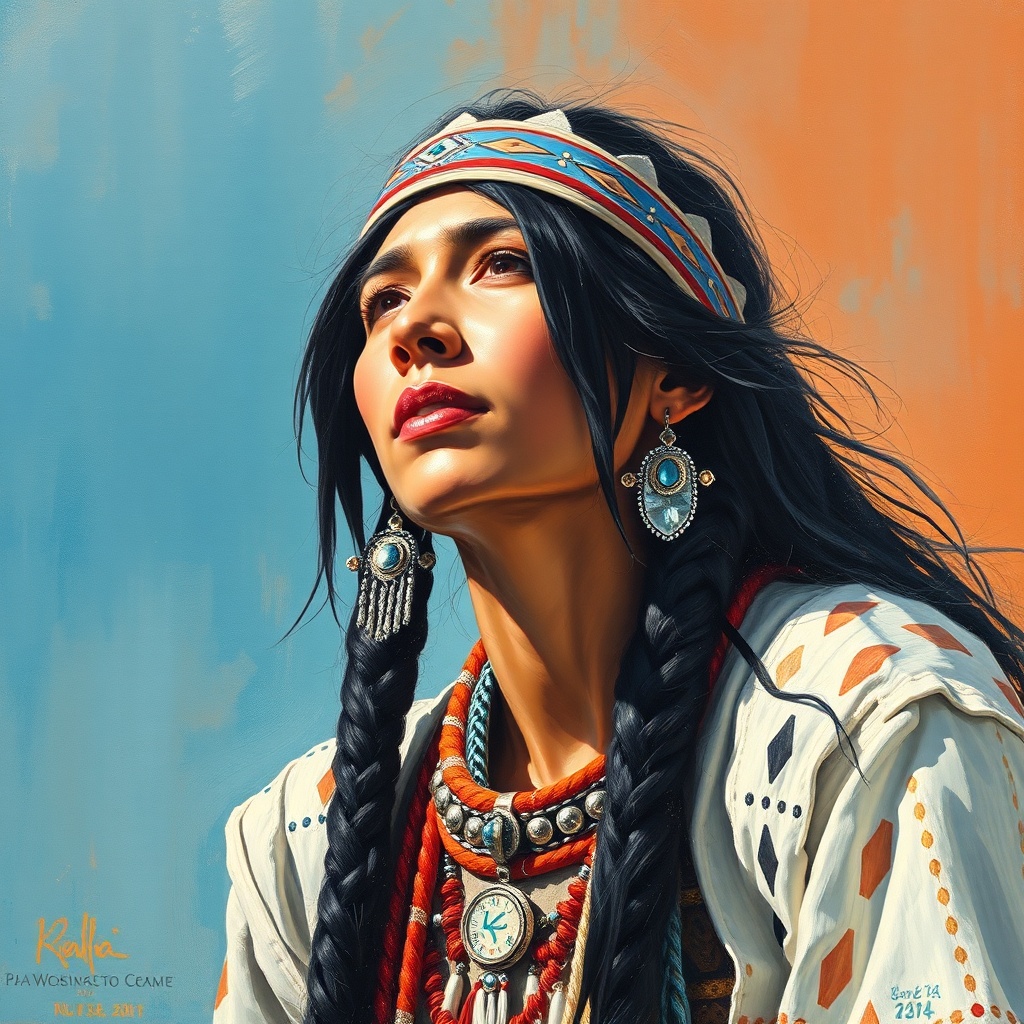
Prioritize purchases from verified Navajo artists or galleries that document provenance. Ask for artist information, tribal affiliation, and whether the work was produced ethically. Avoid buying sacred objects or items explicitly created for ceremonial use.
Preservation and Display
Display Navajo textiles and jewelry with care: textiles benefit from rotation, low humidity, and acid-free mounting; silver jewelry should be stored in tarnish-resistant cloth and cleaned gently. Consult conservation professionals for valuable or fragile pieces to preserve both material and cultural integrity.
Why It Matters
Collecting and celebrating Navajo art responsibly helps sustain craft traditions, supports artists and their families, and honors the cultural context behind each piece. Whether seeking a handwoven rug, a turquoise pendant, or contemporary art that speaks to modern Diné experiences, informed choices ensure these traditions continue to thrive and inspire.