Montana fishing: where wide-open skies meet some of the best trout water in the country. Whether you’re chasing dry-fly rises on a freestone river, drifting a nymph under a foam line, or ice fishing a remote alpine lake, Montana delivers variety, solitude, and memorable fish.
Why Montana stands out
Montana’s cold, clear rivers and high lakes create ideal habitat for trout species that anglers prize: rainbow, brown, cutthroat, brook, and lake trout, plus pockets of arctic grayling. River systems like the Yellowstone, Madison, Missouri, Jefferson, and Bighorn offer diverse experiences—from technical wading and precise presentations to float trips where presentation and drift control are everything. High-elevation lakes provide stillwater challenges where tackle and patience meet reward.
Practical gear and presentation tips
– Rod and line: A 4- to 6-weight fly rod covers most trout situations. For lakes or larger rivers, step up to a 6- or 7-weight.
Bring a floating and an intermediate line for versatility.
– Flies: Match the hatch—terrestrials (hoppers, beetles) dominate during warm days; mayflies, caddis, and stoneflies hatch throughout the season; nymph rigs are often the most consistently effective. Carry a selection of sizes and patterns to read the water and the fish.
– Leaders and tippets: Use a tapered leader with 3X–6X tippet depending on fly size and fish wariness.
Lighter tippet often results in more hookups on pressured waters.
– Stillwater setup: For lakes, a floating line with a long leader and two or three dropper flies (bulky attractor and smaller nymphs) or a sinking-tip line for deeper feeding fish works well.
– Safety and comfort: Wading boots with felt or sticky soles, a good wading staff, and a breathable layer system keep you comfortable and safe. On rivers, be mindful of swift currents and slippery rocks.
Access, etiquette, and regulations
Public access is extensive but mixed with private holdings—respect property boundaries and posted signs. Always check local regulations through the state fish and wildlife agency for licensing, closures, and special rules. Many popular stretches have specific catch-and-release sections or gear restrictions to protect wild trout populations. Leave no trace: pack out trash, avoid trampling riparian vegetation, and limit herd behavior in popular spots.
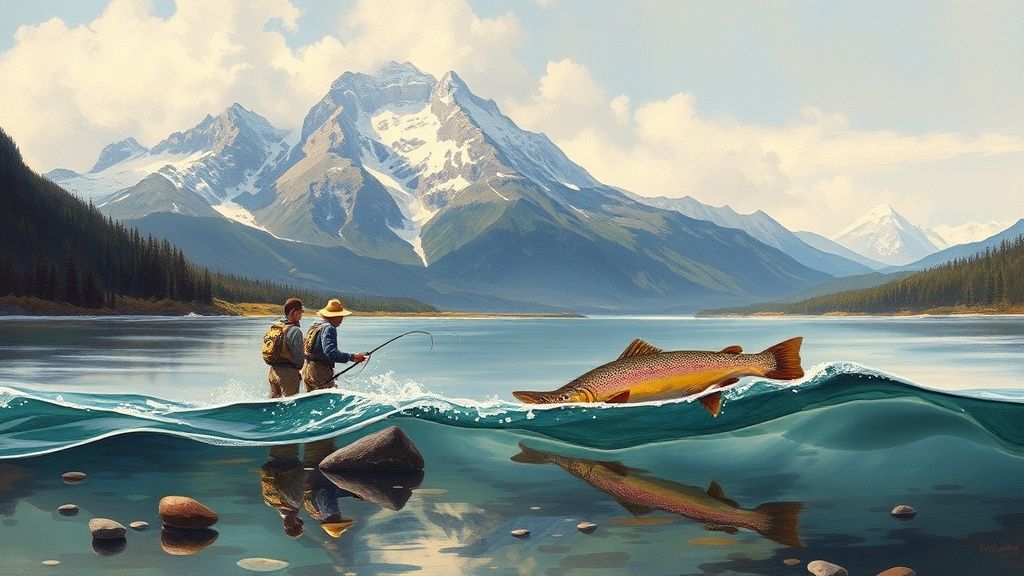
Conservation and invasive species precautions
Conservation matters every trip. Practice responsible catch-and-release: use barbless hooks when allowed, handle fish with wet hands or a rubber net, minimize air exposure, and revive fish in current water until they swim off strongly. Prevent the spread of invasive species by following CLEAN, DRAIN, DRY protocols for boots, boats, and gear.
Be aware of signs of whirling disease or other local issues and report unusual fish behavior to local authorities.
Guided trips vs. DIY
Guided trips make sense for beginners, complex rivers, or when targeting trophy fish—guides know hatches, flows, and access. DIY anglers will find ample resources, public access points, and a community of friendly anglers willing to share tips. Both options offer unforgettable experiences.
Planning your trip
Scouting water reports and hatch charts, talking to local fly shops, and checking flow conditions will increase success.
Pack flexible gear, prepare for sudden weather changes, and prioritize fish care to keep Montana’s fisheries healthy for everyone. Whether you’re seeking solitude on a backcountry stream or the camaraderie of a popular float, Montana fishing rewards thoughtful preparation and respectful angling.