Montana fishing blends big-sky scenery with some of the nation’s most productive trout water — from tumbling mountain creeks to wide tailwaters and sprawling reservoirs. Whether you chase wild rainbows on a freestone stream, nymph the seams of a big river, or cast for pike and walleye in eastern reservoirs, a few core approaches will improve your odds and keep fisheries healthy for everyone.
What to expect
Montana’s waters are famous for trout: rainbow, brown, cutthroat, and brook trout dominate many western rivers and lakes. In eastern and reservoir fisheries you’ll also find walleye, northern pike, and smallmouth bass. Rivers such as the Madison, Gallatin, Yellowstone, Bighorn, and Missouri all offer distinct styles of fishing — spring creeks and alpine lakes require delicate presentations, while tailwaters and reservoirs reward heavier tactics and larger flies or lures.
Techniques that work
– Nymphing: The most consistent method on most days. Use a two-fly rig or a dropper off an indicator; Euro-style nymphing pays dividends for deep, fast runs.
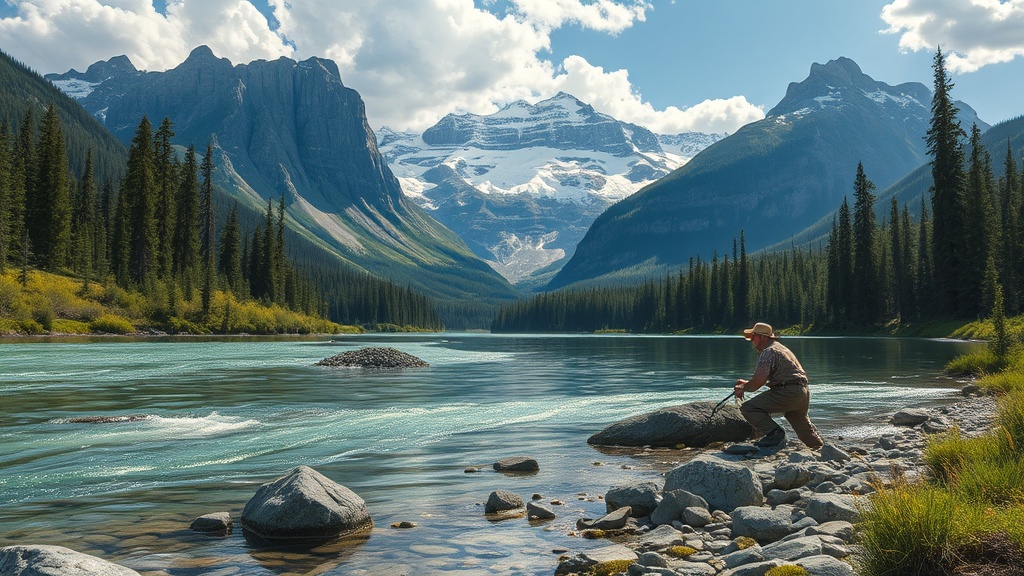
Carry patterns like pheasant tail, hare’s ear, prince nymph, and tungsten-beaded variations.
– Dry flies: Morning and evening risers, plus hatch windows, make dry-fly fishing thrilling. Match mayflies, midges, and caddis with realistic sizes and silhouettes — elk hair caddis, Adams, and small midge patterns are essentials.
– Streamers: For aggressive browns and opportunistic rainbows, swing or strip woolly buggers, zonkers, and articulated streamers along seams and structure.
– Reservoirs and big water: Troll, cast crankbaits, jerkbaits, or use jig-and-minnow presentations for walleye and bass. Trolling deep with electronics helps find structure and schools.
Gear basics
A versatile river setup includes an 8’6” to 9’ rod in 4–6 weight for trout; longer and heavier rods help with big rivers and larger flies. Carry a selection of leaders and tippets from 4X to 6X, an array of nymphs/dry flies, streamers, and a spool of fluorocarbon for reservoirs.
Invest in breathable waders, protective boots with good traction, polarized sunglasses, and a reliable wading staff. Layer clothing for rapid temperature changes and pack sun protection and insect repellent.
Regulations and stewardship
Always carry a valid fishing license and check Montana Fish, Wildlife & Parks regulations before you go — water-specific rules, seasonal closures, and special management areas are common and intended to protect trout populations. Practice responsible handling: use barbless hooks, wet hands before touching fish, minimize air exposure, and revive fish in current until they swim strongly. Clean, drain, and dry gear between waters to prevent aquatic invasive species transport.
Safety and etiquette
Wading safety matters — assess currents and depth before stepping in, use a staff, and never fish alone in remote areas without telling someone your plan. Respect private property and posted access points, yield to anglers upstream, and keep noise low to avoid spooking fish and disturbing wildlife. Be bear-aware in backcountry areas: make noise on approach, store food properly, and carry bear spray where appropriate.
Make the most of your trip
Guides can shorten the learning curve on complex rivers or when targeting trophy fish. Local fly shops provide current hatch information, fly selections, and access tips. Above all, prioritize conservation: healthy fishery experiences depend on stewardship by every angler. Montana’s waters reward patience and skill; with the right tactics and respect for the resource, memorable days on the water are within reach.