Montana fishing offers a mix of epic river runs, quiet alpine lakes, and classic Western trout culture. Whether chasing wild cutthroat on a clear mountain stream or drifting nymphs through a brown trout seam, anglers find productive water and memorable scenery across the state. Here’s a practical guide to getting the most out of Montana’s fisheries while staying safe and responsible.
Where to go
– Big rivers: The Missouri, Madison, and Yellowstone rivers are famous for consistent trout populations and long float trips. They reward steady nymphing and early-morning dries.
– Spring creeks and tailwaters: Smaller spring-fed creeks and glacier-fed tailwaters hold concentrated trout that can be picky but spectacular to fish with a delicate dry-fly approach.
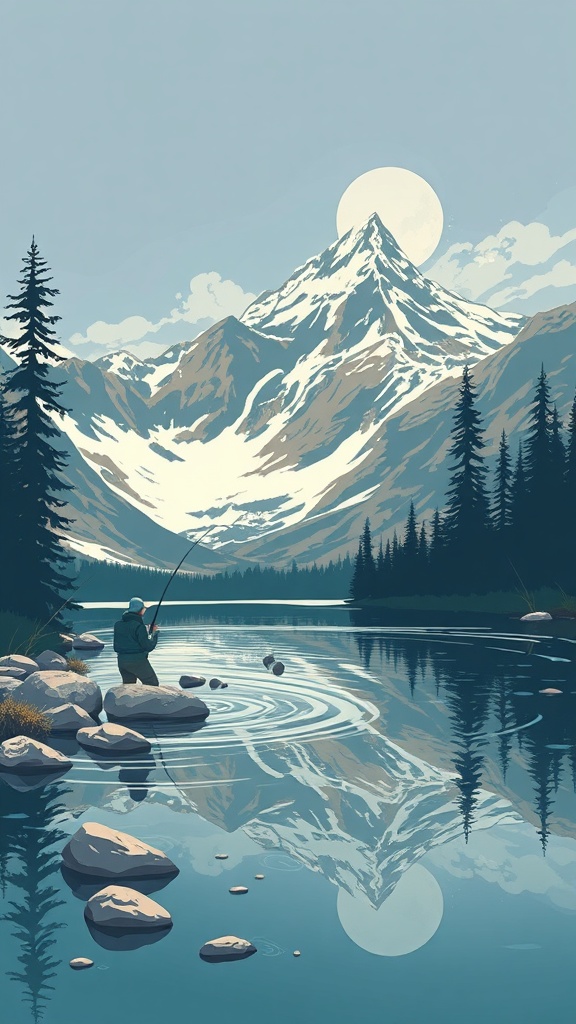
– High-country lakes and streams: Head for alpine lakes and creeks for native cutthroat and brook trout in clear water and scenic settings.
Expect tighter presentations and stealth.
– Backcountry options: Remote lakes often produce larger, less-pressured fish. Plan for access, weather, and pack-in etiquette.
Species and tactics
– Rainbow trout: Versatile feeders—use streamers, nymphs, and dries depending on water and insect activity.
– Brown trout: Often lurk in structure and deeper lies; larger streamers and heavy nymph rigs can be effective.
– Cutthroat trout: In clear, shallow water, sight fishing with dries or small emergers is rewarding; be prepared for spooky fish.
– Brook and bull trout: Brookies are often in smaller cold water; bull trout are typically catch-and-release in many waters—know the rules for protected species.
Gear and techniques
– Fly fishing dominates, but spin anglers have great success with nymph rigs, spinners, and small spoons.
– For rivers, start with a 9–10 ft leader for dry flies or a two-fly nymph rig with a strike indicator. Switch to heavier tippet and streamers when targeting browns.
– Waders and layered clothing are essential—weather can change quickly. Polarized sunglasses help read water and protect eyes.
– Practice catch-and-release techniques: use barbless hooks or pinch barbs, keep fish in the water while handling, and minimize fight time to reduce stress.
Regulations and conservation
– A valid fishing license is required; license rules, catch limits, and special regulations vary by location. Check Montana Fish, Wildlife & Parks for current regulations before heading out.
– Many waters have slot limits or special gear restrictions and some trout populations are managed for catch-and-release only. Respect posted restrictions and local guidance.
– Prevent invasive species spread by cleaning, draining, and drying boats and gear. Zebra mussels and other pests threaten fisheries, so follow inspection and decontamination guidance.
– Practice ethical angling: limit high-grading, release big breeders when possible, and pack out all trash.
Safety and access
– Rivers can be swift and cold—wear a flotation device on float trips and use a wading staff in fast water. Tell someone your plan when heading into remote areas.
– Private land surrounds many productive waters—obtain permission where required and respect posted boundaries. Public access laws can be specific; know your rights and responsibilities.
Montana’s fishing is as much about the experience as the catch. With a little planning, attention to local rules, and respect for the resource, anglers of all skill levels can enjoy long days on beautiful water and help keep fisheries healthy for future visits.