Moab sits at the heart of a red-rock playground where two iconic national parks — Arches and Canyonlands — meet a small town that caters to every kind of outdoor adventurer. Whether the goal is a sunrise photo at a famous arch, an epic mountain-bike lap, or a quiet night under desert stars, Moab’s parks offer dramatic sandstone formations, wide vistas, and trails that reward planning and respect.
What to see and do
– Arches National Park: Home to thousands of natural stone arches, the park’s must-see highlights include the classic viewpoint hikes to Delicate Arch and Landscape Arch, plus the longer Devil’s Garden loop for adventurous hikers.
Scenic drives and short overlooks make it easy to sample dramatic rock formations without strenuous effort.
– Canyonlands National Park: Split into distinct districts, the Island in the Sky mesa delivers panoramic overlooks that are perfect for sunset and landscape photography.
For deeper exploration, the Needles and Maze districts offer more remote hiking and backpacking opportunities for well-prepared visitors.
– Beyond the parks: Moab’s surrounding public lands provide endless routes for mountain biking (Slickrock Trail is legendary), off-roading on maintained slickrock and dune trails, and whitewater rafting or scenic floats on the Colorado River. Numerous outfitters in town handle gear rental, guided tours, and shuttle services.
Practical planning tips
– Reservations and access: During peak visitation, timed-entry or reservation systems can be in effect for park entry and certain trailheads. Check official park sources before arrival to see if an entry window, permit, or advanced campground booking is required.
– Parking and crowds: Popular viewpoints and trailheads fill quickly. Arriving early or later in the day helps avoid the busiest periods and gives better light for photography.
Consider alternate trailheads and less-visited areas for solitude.
– Weather and safety: Desert conditions mean hot, dry days and cold nights.
Carry plenty of water, wear sun protection, and layer clothing for temperature swings.
Flash floods can occur in narrow canyons — avoid slot canyons during unstable weather. Mobile reception is limited in many areas; download maps and emergency contacts ahead of time.
Leave No Trace and regulations
– Stay on designated trails and respect fragile formations; many rock features are millennia-old and easily damaged by foot traffic or climbing. Climbing on arches and delicate fins is prohibited.
– Drones and commercial filming typically require special permits and are not allowed for recreational use. Pets are generally limited to developed areas like roads and campgrounds, not trails.
– Use established campgrounds or dispersed camping areas on BLM land where allowed. Pack out all trash and minimize campfire impacts — check local restrictions before building a fire.
Photography and timing
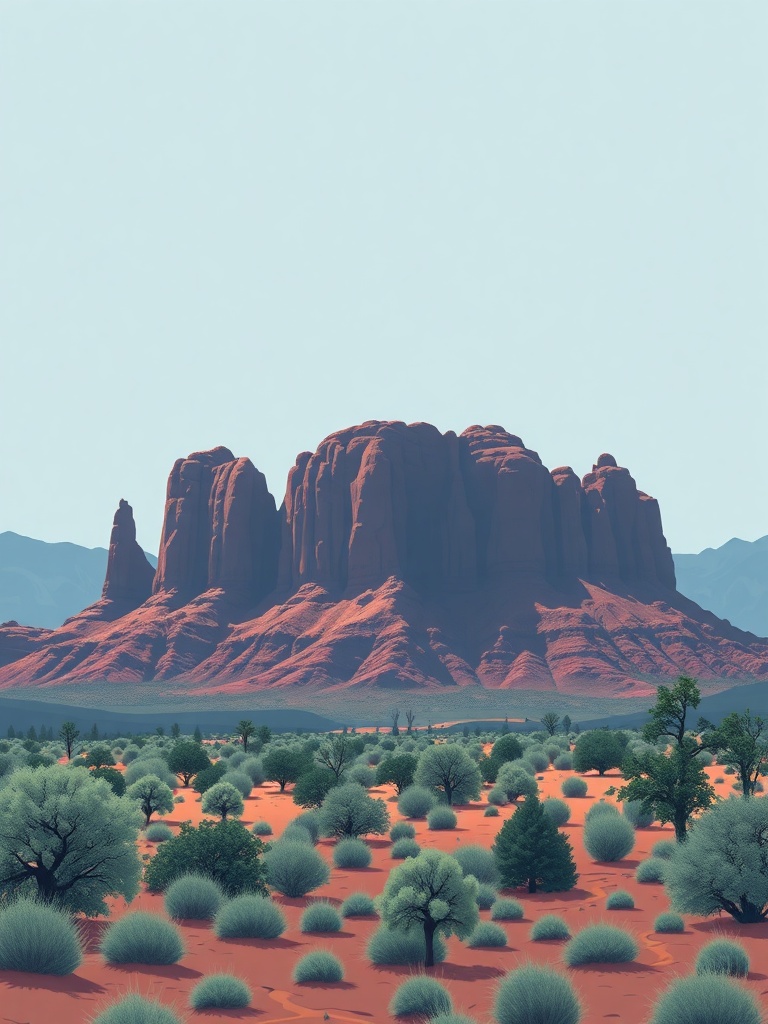
– Sunrise and sunset offer the best light for dramatic red-rock photographs.
Mesa Arch, Delicate Arch, and several canyon overlooks are especially photogenic at golden hour. Be respectful of other visitors when setting up tripods and framing shots.
Staying in Moab
– The town provides a wide range of lodging, restaurants, and gear shops. Booking popular accommodations and guided activities ahead of time reduces stress and helps secure desired dates and services.
For the latest access details, reservations, and safety alerts, consult official park resources and local ranger stations before heading out. With thoughtful planning and a leave-no-trace mindset, Moab’s parks deliver unforgettable desert landscapes and outdoor experiences.