Moab draws visitors for a reason: two world-class national parks, endless red-rock playgrounds, and an outdoor culture built around exploration. Whether you’re planning a first visit or looking to get off the beaten path, practical planning and low-impact habits make the experience better for everyone.
Why visit
Arches and Canyonlands each offer distinct landscapes. Arches is famous for delicate sandstone spans clustered amid fins and balanced rocks; iconic short hikes deliver big payoff. Canyonlands is vast and wild, with dramatic overlooks, remote canyons, and backcountry routes that reward preparation and patience.
Both parks sit within easy reach of Moab town, which provides services, gear shops, guided tours, and shuttle options.
Top hikes and highlights
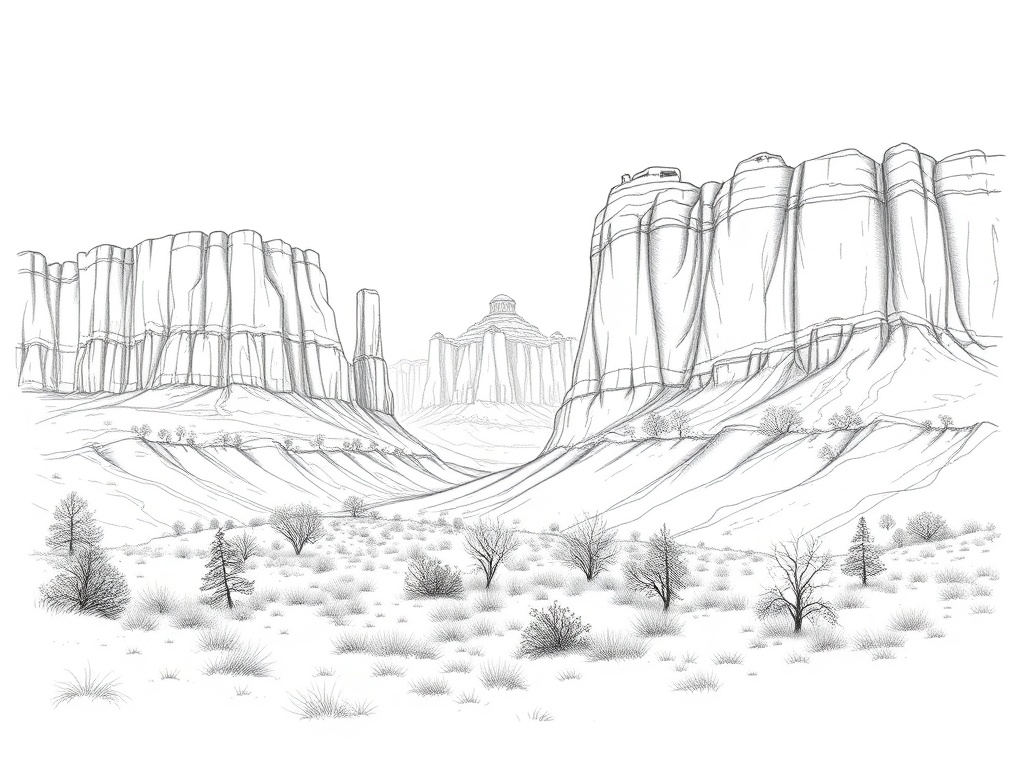
– Delicate Arch (Arches): A relatively short, exposed trail with one of the park’s signature viewpoints. Bring water and sun protection; the final approach crosses slickrock.
– Devil’s Garden (Arches): A longer route with Landscape Arch and multiple fins; options range from moderate out-and-back hikes to a full primitive-loop adventure.
– Island in the Sky (Canyonlands): Short rim trails and overlooks offer sweeping views into the canyon network below — great for sunrise or sunset.
– The Needles (Canyonlands): A more remote district with multi-day backpacking and single-day hikes through colorful spires and sandstone formations.
Permits, fees and access
Timed-entry reservations can be required during peak seasons at popular trailheads, and entrance fees apply at both parks.
Backcountry and overnight stays typically require permits and have specific rules; camping within Arches is limited, while Canyonlands offers developed campgrounds and backcountry options that need prior registration. Check official park resources before you go to confirm current access policies and any road or trail advisories.
Safety and comfort
– Hydration: Carry plenty of water — desert conditions can dehydrate you faster than you expect. Aim for a generous supply and refill where available.
– Heat and sun: Hikes offer little shade. Start early, use sun protection, and avoid midday exertion in the hottest months.
– Footwear and navigation: Sturdy shoes for slickrock and uneven terrain help prevent injuries. Maps or a downloaded offline route are useful because cell reception can be unreliable.
– Vehicle considerations: Some scenic drives and side roads require high-clearance or 4WD vehicles. If you plan to explore dirt routes, check recent road conditions and know your vehicle’s limits.
Leave no trace
Trail erosion and crowded viewpoints are ongoing concerns. Stay on designated trails, pack out all trash, avoid climbing on fragile formations, and respect wildlife. Popular viewpoints are best enjoyed with awareness and patience — small choices collectively preserve the landscape.
Beyond the parks
Moab’s surrounding public lands offer mountain biking, off-road routes, river rafting, and stargazing. The town has guided outfitters and rental options for everyone from casual sightseers to technical adventurers. Consider weekday visits or early mornings to avoid crowds, and support local businesses for gear, guiding, or parking solutions.
Final tip
A successful trip blends preparation with flexibility.
Confirm reservations and permit requirements before leaving, expect limited services in remote areas, and leave time to simply soak in the scale and silence. The landscape rewards slow exploration and careful stewardship, ensuring it remains spectacular for the next visitor.