Mining Towns: Reinventing Identity Beyond the Pit
Mining towns are shaped by geology as much as by people. Their streets, housing stock, and local culture grow from the rhythms of extraction: boom cycles bring rapid population growth, while downturns can leave communities grappling with job loss and abandoned infrastructure. Today, many mining towns are navigating a transition — balancing heritage and environmental responsibility while seeking diversified, sustainable futures.
The legacy that matters most
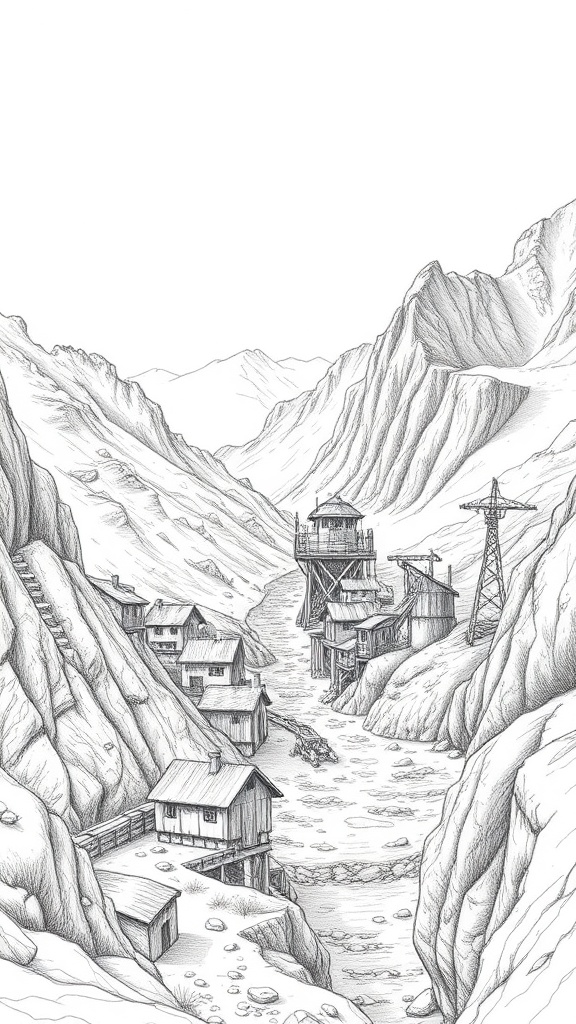
Mining leaves tangible legacies: shafts, processing plants, rail spurs, tailings, and distinctive worker housing.
Those remnants create unique senses of place that attract visitors and historians.
Preserving key structures — a processing mill, a miner’s lodge, or a historic town hall — supports cultural tourism and local pride. At the same time, legacy pollution and unstable ground require careful management through mine reclamation and monitored remediation.
Economic diversification strategies
Sustainable renewal hinges on diversification.
Successful mining towns often leverage one or more of the following:
– Heritage tourism: converting museums, walking tours, and interpretive centers into revenue streams while retaining authenticity.
– Outdoor recreation: repurposing former mine landscapes for hiking, mountain biking, climbing, and fishing where remediation allows.
– Creative economies: attracting artists, makers, and small-scale manufacturers drawn to affordable spaces and unique architectural character.
– Renewable energy: using reclaimed land for solar farms or wind projects, pairing local energy production with job creation.
– Remote work hubs: upgrading broadband and coworking spaces to retain residents who can work from anywhere.
Community resilience and social fabric
Resilience depends on more than infrastructure. Social networks, local leadership, and community organizations play a critical role. Investing in training programs tied to new industries helps former mine workers transition, while supporting small-business incubation preserves local entrepreneurship. Affordable housing policies and adaptive reuse of mining-era homes can stabilize populations and prevent displacement when tourism or new investment arrives.
Environmental and regulatory realities
Mine reclamation is not a one-time fix.
Long-term monitoring of soil, water, and air quality is essential, and funding mechanisms must be sustainable. Public-private partnerships and regulatory frameworks that require bond posting or long-term stewardship funds have become common tools. Transparent communication with residents about ongoing risks and remediation timelines builds trust and supports better outcomes.
Design and placemaking
Thoughtful design integrates mining heritage rather than erasing it. Adaptive reuse projects that convert mills into marketplaces, train stations into cultural centers, or tailings ponds into wetlands can generate civic spaces that honor the past while meeting contemporary needs.
Placemaking that highlights mining narratives — oral histories, art installations, and interpretive signage — deepens visitor engagement and strengthens community identity.
Practical tips for travelers and planners
– For visitors: check for guided mining tours and local museums that explain both technical history and community impacts. Respect closed areas and private property; many sites have safety hazards.
– For planners and investors: prioritize environmental assessments early, engage local stakeholders, and design flexible spaces that can accommodate changing economic uses.
– For former mining workers: pursue credentialing tied to emerging local industries, and consider entrepreneurship programs that leverage local knowledge and skills.
Mining towns are complex places of loss and opportunity. With intentional planning, community-led decision-making, and investments in remediation and diversification, these towns can transform their industrial heritage into engines of sustainable local prosperity while preserving the stories that built them.