Mining towns occupy a unique place in cultural memory: hubs of rapid growth, hard work, and boom-bust cycles that shaped landscapes and communities. Their stories continue to evolve, revealing lessons about economic resilience, environmental responsibility, and creative reuse.
The lifecycle of a mining town
Mining towns often follow a familiar arc. A discovery drives an influx of workers and investment, spawning housing, services, and transport. When ore yields fall or commodity prices shift, populations can contract quickly. Some towns become ghost towns; others adapt by diversifying local economies.
Understanding that lifecycle helps planners and residents anticipate change and build long-term stability.
Challenges that persist
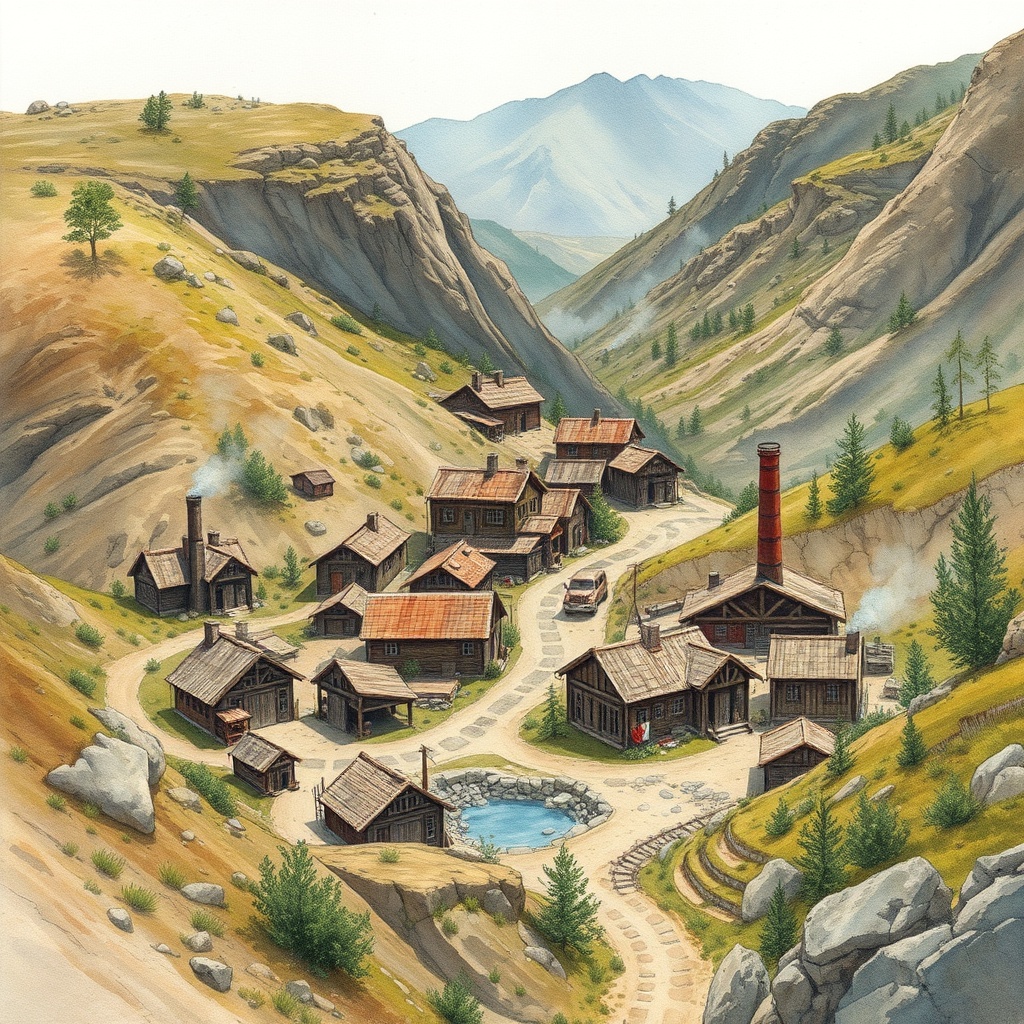
– Environmental legacy: Abandoned mines can leave contamination, unstable ground, and altered waterways. Remediation is costly but essential for public health and redevelopment.
– Economic dependency: Towns built around a single resource face vulnerability when that resource declines. Limited job markets and outmigration are common.
– Infrastructure strain: Rapid booms often outpace planning, creating aging utilities and housing that degrade once investment wanes.
– Social impacts: Mental health, addiction, and loss of community identity can follow economic decline, requiring coordinated social services.
Opportunities for renewal
Many mining towns are successfully reinventing themselves. Heritage tourism draws visitors eager to experience historic sites, museums, and guided mine tours. Creative placemaking—turning industrial structures into art spaces, breweries, or co-working hubs—can attract new residents and businesses. Reclaiming mine sites for renewable energy projects such as solar arrays or pumped storage offers dual benefits: cleaning up brownfields while generating long-term revenue.
Strategies that work
– Prioritize mine reclamation with clear timelines and funding mechanisms. Public-private partnerships and state or regional remediation funds reduce the financial burden on small communities.
– Invest in workforce retraining that matches regional demand—construction trades, renewable energy, tourism services, and remote work skills are strong options.
– Preserve and promote local heritage. Authentic storytelling and preservation of mining architecture create unique tourist draws that support local entrepreneurship.
– Leverage adaptive reuse. Repurposing headframes, processing plants, and warehouses for events, manufacturing, or housing retains character while meeting modern needs.
– Strengthen regional connections. Improving broadband, transportation links, and cooperative economic planning helps former single-industry towns plug into wider markets.
Guidance for visitors
When visiting former mining towns, look beyond photo ops. Support local businesses, visit museums with curated historic interpretation, and follow safety signs around former mine sites. Many communities offer guided tours that provide safe, informative access and ensure tourist dollars stay local.
Policy and community priorities
Effective transition requires coordinated policy: enforceable reclamation standards, incentives for redevelopment, and social safety nets during periods of adjustment. Community-led planning ensures that redevelopment honors local priorities—whether preserving heritage, expanding housing, or cultivating new industries.
Why mining towns matter now
Mining towns are more than relics; they’re laboratories for managing change. Their experiences highlight the interplay between natural resources, human resilience, and policy choices.
With thoughtful investment and creative thinking, many once-extractive places are poised to become safer, greener, and more diversified communities that still honor their past.
For communities, planners, and curious travelers, mining towns offer both cautionary tales and blueprints for renewal—reminding everyone that economic identity can transform, landscapes can heal, and history can be an asset for the future.