Mining towns capture the imagination: rugged skylines, slag heaps, weathered streets and tight-knit communities shaped by extraction. Beyond romantic images, these places face unique challenges and opportunities as economies and environments shift. Understanding how mining towns adapt offers lessons in resilience, heritage preservation and sustainable development.
Why mining towns matter
Mining towns are often the birthplace of regional infrastructure—rail lines, ports and roads—and they hold cultural traditions tied to labor, craftsmanship and migration.
Many communities still depend on resource extraction for livelihoods, while others are reinventing themselves as tourism, technology or green-energy hubs.
The evolution of these towns speaks to broader trends in economic transition and environmental stewardship.
Boom-bust dynamics and social impact
A defining feature of mining towns is the boom-bust cycle. Rapid development attracts workers and investment; when mines close or commodity prices fall, towns can face unemployment, population decline and deteriorating services.
Social impacts include outmigration of young people, pressure on housing markets during booms, and mental health challenges tied to economic instability.
Strategies for economic diversification
Diversification is essential to long-term vitality. Successful strategies include:
– Heritage tourism: repurposing mining sites as museums, guided tours, and interpretive centers that celebrate industrial history.
– Outdoor recreation: leveraging dramatic landscapes for hiking, climbing, fishing and other nature-based activities.
– Clean energy projects: siting wind farms, solar arrays or battery storage facilities on reclaimed mine lands to create jobs and new revenue streams.
– Creative and local industries: attracting artisans, craft breweries, tech startups and remote workers through incentives and quality-of-life improvements.
– Film and events: marketing unique architecture and scenery as film locations or festival venues.
Environmental remediation and reclamation
Addressing legacy pollution is both a challenge and an opportunity.
Common remediation measures include stabilizing tailings, treating acid mine drainage, and restoring native vegetation through techniques like phytoremediation. Proper reclamation can reduce hazards, create new greenspaces, and enable productive land uses, from agriculture to renewable energy facilities.
Adaptive reuse and cultural preservation
Abandoned mills, boarding houses and rail depots can be transformed into hotels, galleries, coworking spaces or community centers.
Adaptive reuse preserves character while meeting contemporary needs. Engaging local residents in planning helps ensure that redevelopment respects cultural memory and distributes benefits broadly.
Community-led solutions and governance
Local leadership matters.
Community-driven planning, partnerships with universities and NGOs, and transparent negotiation with mining companies lead to better outcomes. Establishing trust funds, workforce retraining programs and housing initiatives helps cushion transitions and retain talent.
Infrastructure and connectivity
Modernizing infrastructure is critical for attracting new investment.
Broadband access, reliable power and efficient transport links make remote mining towns viable for remote work, small manufacturing, and digital services. Public-private partnerships can finance these upgrades without overburdening local budgets.
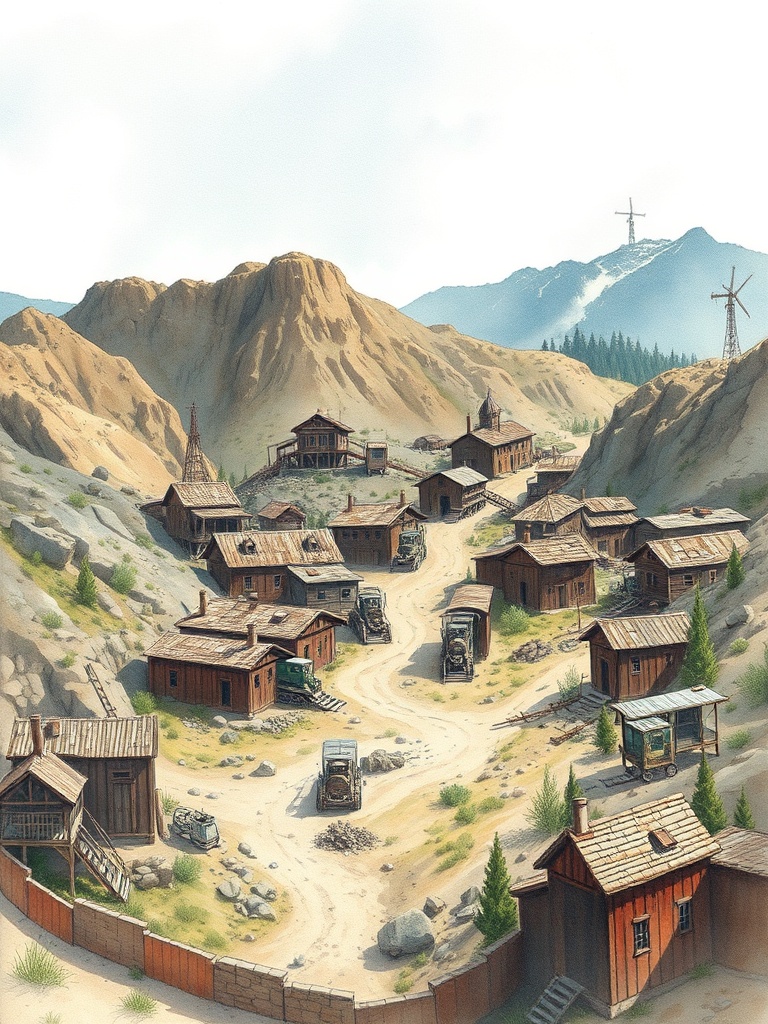
Balancing heritage with progress
Protecting mining heritage while pursuing economic renewal requires balance. Celebrating industrial history through museums and festivals keeps stories alive, while forward-looking projects build a stable economic base. Successful towns maintain a sense of place even as they innovate.
Mining towns remain living laboratories for adaptation—combining practical remediation, thoughtful reuse and creative economic planning.
With intentional investment and inclusive decision-making, these communities can transform former liabilities into assets, preserving cultural identity while building a resilient future.