Moab Park: How to Experience Red Rock Country Responsibly
Moab’s red-rock landscape is a playground for hikers, mountain bikers, off-road drivers, and photographers. With iconic formations, sweeping canyons, and a surprisingly dark night sky, the area offers outdoor experiences for every skill level. Planning ahead and following local guidelines will help you make the most of the landscape while protecting it for future visitors.
What to see and do
– Arches National Park: Famous for its natural stone arches and scenic viewpoints, the park’s most popular trails lead to must-see sights.
Early morning or late afternoon light produces the best photos and fewer crowds.
– Canyonlands National Park: With distinct districts that feel like separate parks, Canyonlands rewards visitors with panoramic overlooks, backcountry routes, and remote desert solitude.
Many overlooks are accessible from short walks, while more remote areas require planning and permit awareness.
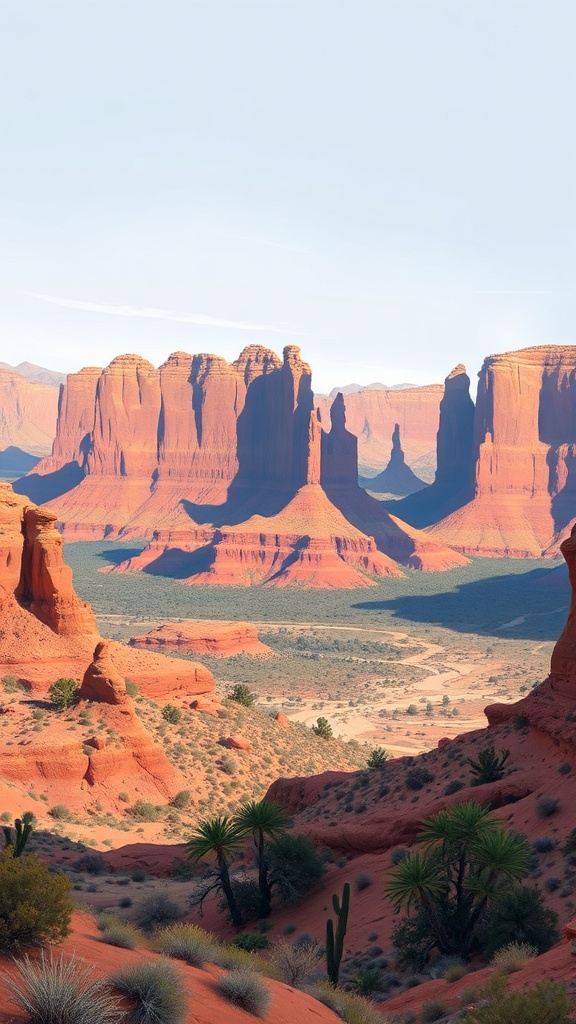
– Mountain biking and Slickrock Trail: Moab is a world-class mountain biking destination. Trails range from beginner singletrack to technical, exposure-filled rides. The Slickrock Trail offers a unique sandstone riding experience; riders should bring plenty of water and be prepared for variable traction.
– Off-roading and scenic drives: BLM-managed routes and scenic byways provide access to dramatic viewpoints and primitive camping. Vehicles should be equipped for rough terrain; check local restrictions and permit requirements before heading out.
– Climbing and canyoneering: The region’s sandstone provides excellent climbing and slot canyon challenges.
Technical routes require experience, proper gear, and knowledge of rope techniques.
Consider hiring a certified guide for unfamiliar terrain.
– Night skies and photography: Moab’s low light pollution makes it a great place for stargazing and astrophotography.
Aim for a night away from town lights to fully appreciate the Milky Way and crisp star fields.
Tips for a safer, more enjoyable visit
– Time your visit: Spring and fall typically offer the most comfortable daytime temperatures for hiking and biking, while summer demands early starts and abundant water.
Winter can bring quieter trails and dramatic contrasts, but be ready for variable conditions.
– Hydration and sun protection: Desert conditions dehydrate quickly. Carry more water than you think you’ll need, wear sun-protective clothing, and use sunscreen and a wide-brim hat.
– Parking and access: Popular trailheads and viewpoints can fill quickly. Arrive early, carpool, or use park shuttles where offered. Some parks use timed-entry systems during busy periods; check official park guidance before you go.
– Leave No Trace: Stay on designated trails, pack out all trash, and avoid scraping or carving rock surfaces.
Camping only in designated sites helps reduce impacts to fragile ecosystems.
– Respect closures and wildlife: Seasonal trail or area closures protect nesting birds, fragile vegetation, or cultural resources.
Observe wildlife from a distance and never feed animals.
– Permits and fees: Some activities and backcountry campsites require permits or registration. Confirm requirements with National Park Service and Bureau of Land Management resources before setting out.
Where to get local information
Visitor centers, park rangers, and official land-management websites provide up-to-date trail conditions, safety advisories, and permit details.
Local outfitters offer guided hikes, climbing instruction, and equipment rentals for those who want expert support.
Moab’s landscape is both dramatic and delicate. With thoughtful planning and respect for the land, visitors can enjoy unforgettable vistas while helping preserve this iconic desert environment for everyone who follows.