Colorado draws people for dramatic peaks, wide-open skies, and an unrivaled outdoor playground. Whether you’re a first-time visitor or a longtime local, getting the most from the mountains means balancing adventure with safety and stewardship. This guide covers practical tips for hiking, camping, and exploring Colorado’s high country while minimizing risk and protecting fragile ecosystems.
Plan for altitude and quick weather shifts
High elevation is the defining feature of Colorado recreation.
Even modest trails can climb into thin air, where exertion feels tougher and sun exposure is stronger.
Start slowly, hydrate before and during activity, and allow a gentle pace for the first day or two if you arrive from low elevations. Recognize symptoms of altitude illness—headache, nausea, dizziness—and descend if they worsen.
Weather in the mountains can change fast. Afternoon thunderstorms are common; aim to be off exposed ridgelines before the late-day buildup. Pack layered clothing to handle sun, wind, and sudden cold, and always carry a waterproof shell.
Safety essentials to carry
– Navigation: map, compass, and/or a charged GPS device—download offline maps if cell service is spotty.
– Water and treatment: bring ample water and a backup treatment method (filter, tablets).
– Sun protection: high-SPF sunscreen, hat, and UV-blocking sunglasses.
– First-aid kit and emergency shelter (space blanket or bivy).
– Headlamp, extra batteries, and a multi-tool.
– Bear-aware items where appropriate: hang food or use bear canisters in designated areas.
Leave No Trace and responsible recreation
Colorado’s landscapes are resilient but fragile. Follow Leave No Trace principles: pack out all waste, camp on durable surfaces, and avoid disturbing wildflowers or wildlife. Stay on designated trails to prevent erosion and habitat loss. When visiting alpine meadows or high-elevation lakes, remember that trampling can damage soils that recover very slowly.
Trail etiquette and human-powered travel
Yield to uphill hikers and be courteous with passing; bikers should announce passes and yield to hikers and horses. If you encounter horses, step off the trail on the downhill side and speak calmly so both animals and riders feel secure.
Keep group sizes moderate—large groups increase noise, trail wear, and wildlife disturbance.
Wildlife awareness
Black bears, elk, and mountain goats are part of the experience but also require respectful distance.
Never feed wildlife; use secure food storage when camping. If you encounter a moose or elk, move away calmly—these animals can be unpredictable, especially during rutting or calving periods.
Fire safety and campfire choices
Fires are a critical local concern. Follow local fire restrictions and use established fire rings where allowed.
Consider cabin stoves or backpacking stoves for cooking—these reduce forest impacts and the risk of escaped fires. Extinguish any embers fully before leaving a campsite.
Trail selection and skill matching
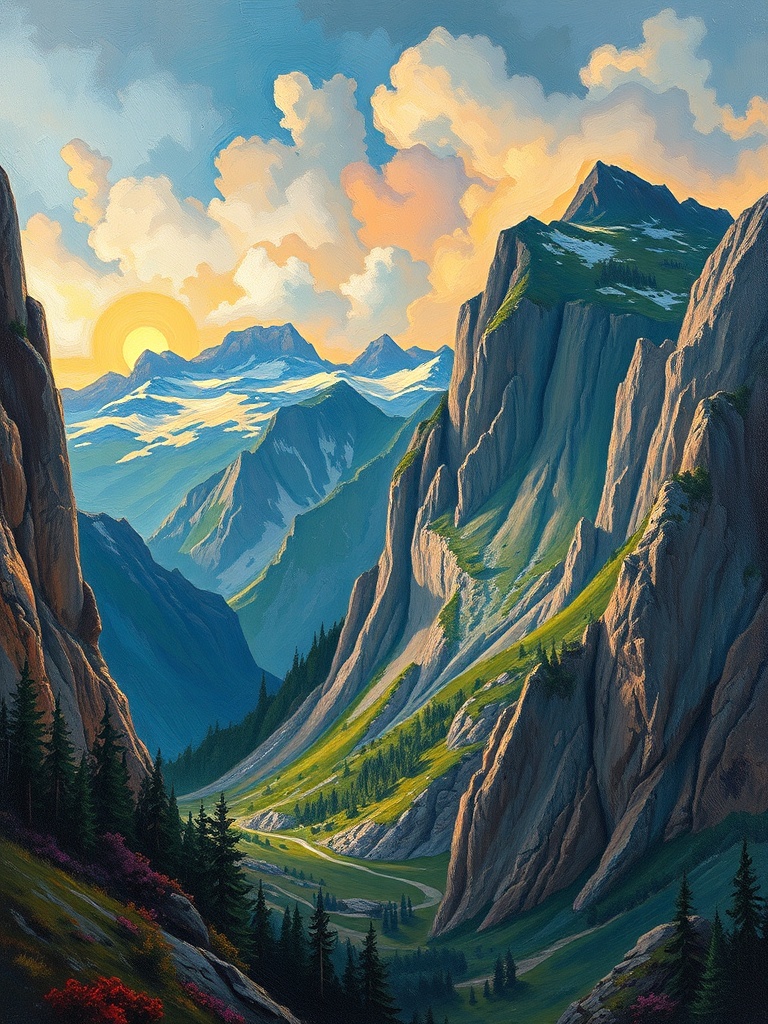
Choose routes that match your fitness, experience, and gear. Research trail difficulty, elevation gain, and expected conditions.
For alpine routes, technical skills and equipment like crampons and ice axes may be necessary; join guided trips or take a skills class if you’re new to this terrain.
Support local land managers
Public lands are managed by agencies and volunteers. Check closures and permit requirements with the National Park Service, U.S. Forest Service, Bureau of Land Management, or local land managers before you go. Consider contributing to trail stewardship programs or visiting quieter trailheads to relieve pressure on popular areas.
Colorado offers unforgettable outdoor experiences when approached with respect and preparation. Prioritize safety, plan thoughtfully, and leave the outdoors in better shape than you found it—your future hikes will thank you.