Colorado’s craft beer scene blends mountain-town hospitality with big-city innovation, making it a must-visit for beer lovers. From the Front Range to the Western Slope, breweries are neighborhood gathering places, experimental labs for new styles, and engines of local tourism. Here’s a practical guide to what to expect and how to get the most from a brewery crawl.
What defines Colorado breweries
Colorado breweries are known for balancing hop-forward West Coast influences with Northeast-style hazy IPAs, crisp lagers that suit altitude, and a thriving barrel-age and sour culture. Many breweries maintain robust taproom programs with limited-release beers that never reach store shelves, while others focus on year-round favorites distributed across the state and beyond.
Top regional scenes
– Front Range (Denver/Boulder/Fort Collins): Dense clusters of taprooms, brewery districts, and inventive collaborations. Expect easy access to public transit in urban cores and walkable beer neighborhoods.
– Western Slope (Grand Junction/Palisade): Strong farm-to-glass ethos, often featuring local fruit in saisons and sours, with scenic tasting-room patios.
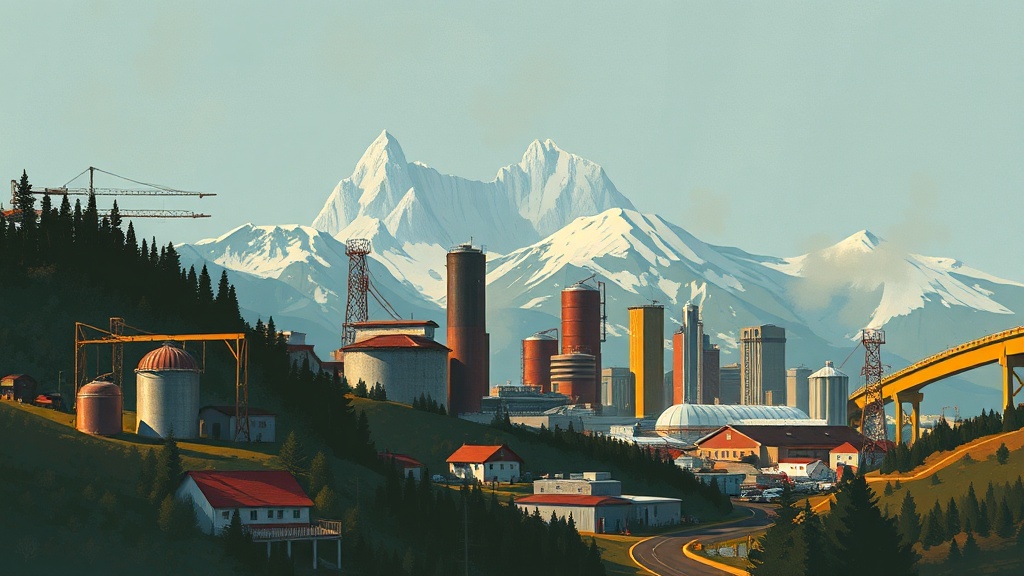
– Mountain towns: Smaller operations that pair beer with outdoor activities—hiking, skiing, rafting—perfect for seasonal unwinding.
– Southern Colorado: Emerging craft hubs blending Southwestern ingredients and smoke-forward flavors.
Trends shaping local brewing
– Hazy and cold IPAs continue to influence hop selection and techniques, while an appetite for lower-ABV session beers is growing.
– Barrel-aging programs (stouts, mixed-fermentation beers) remain popular, driving specialty releases and membership clubs.
– Non-alcoholic and low-ABV options are increasingly available as brewers diversify offerings.
– Sustainability efforts are visible: water-reduction measures, solar panels, spent-grain partnerships with local farms, and recyclable canning solutions.
Taproom experience and etiquette
Taprooms are social spaces—expect communal seating, rotating tap lists, food trucks or onsite kitchens, and dog-friendly patios in many spots. For the fullest experience:
– Order a flight to sample multiple styles.
– Check brewery websites or social channels for release schedules and special events.
– Join loyalty clubs or bottle/box release lists for limited beers.
– Arrive early on release days; small-batch drops can sell out quickly.
Food and beer pairings
Colorado breweries pair well with local flavors.
Try:
– Hazy IPA with spicy green-chile dishes.
– Crisp pilsner or lager with grilled meats or Colorado trout.
– Barrel-aged stout with chocolate desserts or smoked cheeses.
– Fruited sour with citrus-forward salads or light cheeses.
Planning a brewery tour
Create a route that mixes marquee names with neighborhood breweries and microbreweries to get a sense of variety. Many cities offer self-guided beer trails or passport programs that reward visits to multiple spots.
Consider transportation options—rideshares, public transit, or designated drivers—to keep the focus on tasting, not logistics.
Supporting the local scene
Buying cans or growlers, attending taproom events, and sharing favorite finds on social media help sustain small breweries. Many establishments partner with local producers, donate spent grain to farms, and host community fundraisers—choices that reinforce their local impact.
Whether exploring a dense urban beer district or a quiet mountain taproom, Colorado’s breweries deliver a mix of innovation, hospitality, and place-driven flavor. Plan ahead, taste widely, and let local brewers guide you through a landscape that’s as diverse as the state itself.