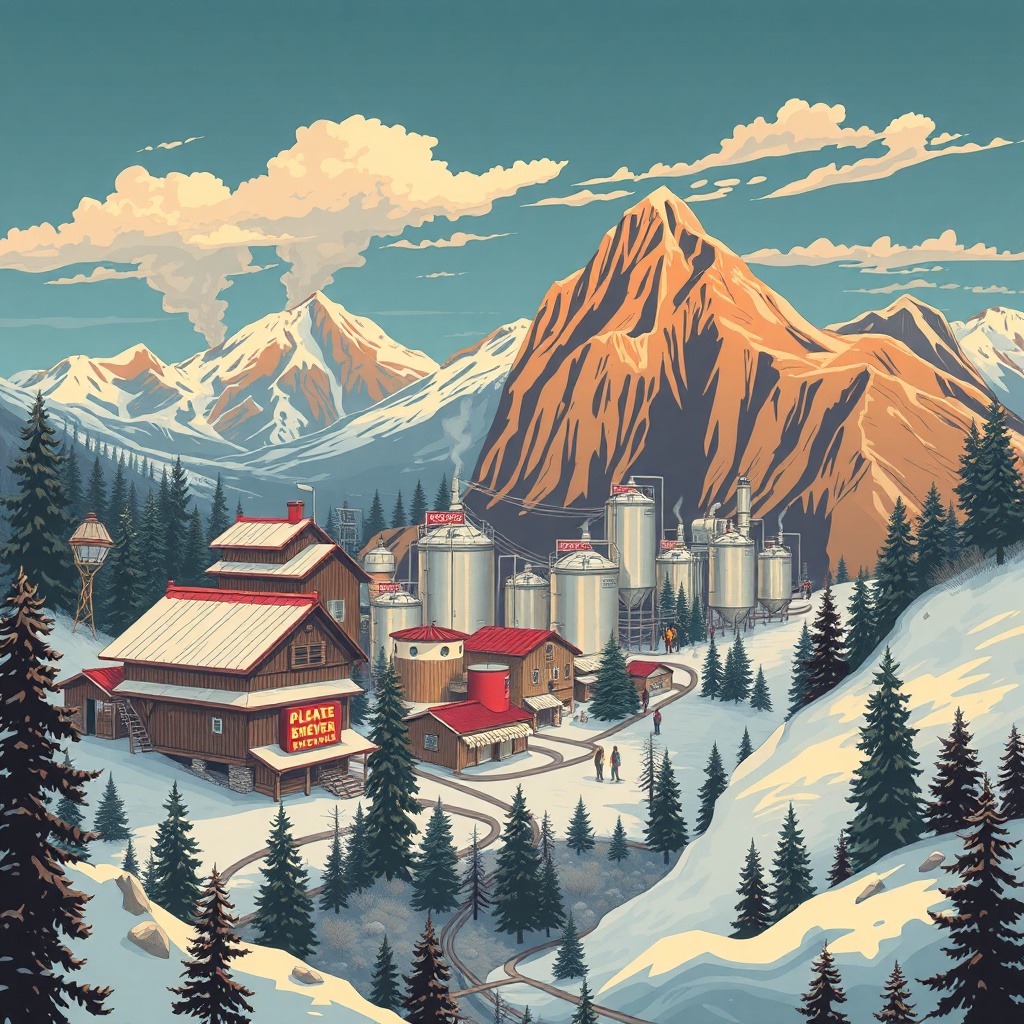
Colorado breweries offer one of the most dynamic craft-beer ecosystems anywhere, blending mountain water, adventurous brewing, and a culture built around outdoor living. From urban taprooms to small family-run brewhouses on the Western Slope, the state’s brewery scene is a must-explore for beer lovers and curious travelers alike.
What makes Colorado breweries stand out
– High-altitude brewing: Brewing at elevation changes boil points and fermentation behavior, and many Colorado brewers have refined their processes to account for those differences. The result is beers that are tailored to local conditions—often brighter hop expression and carefully controlled fermentation profiles.
– Water quality: Crisp mountain water remains a crucial ingredient. Many breweries source local water and treat it to highlight specific malt and hop characteristics.
– Innovation meets tradition: Expect classic American styles like pale ales, IPAs, and lagers side-by-side with barrel-aged stouts, mixed-culture sours, and experimental small-batch releases. Collaboration between brewers is common, pushing creative boundaries.
Must-do experiences at Colorado breweries
– Taproom flights: Most taprooms offer curated flights, making it easy to sample a range of styles without committing to a pint.
It’s the best way to discover a new favorite.
– Brewery trails: Regions such as the Front Range, mountain towns, and the Western Slope each have informal brewery trails. Map out a day or weekend and pair brewery stops with local hiking, skiing, or scenic drives.
– Taproom culture: Many taprooms prioritize community—expect comfortable indoor seating, sunny patios, food trucks or on-site kitchens, and live music nights.
Family- and dog-friendly policies are common, but always check before you go.
– Tours and tasting rooms: Larger operations often run guided tours and educational tastings that explain brewing science, barrel-aging programs, and sustainability practices.
Trends shaping Colorado’s beer scene
– Sustainability: Breweries are investing in water conservation, energy-efficient systems, solar panels, and food-waste composting.
Many are experimenting with locally sourced ingredients and regenerative agriculture partnerships.
– Canning and distribution: Canning technology has improved portability and shelf life, so more craft breweries are canning small batches for local and regional distribution. Crowlers and growlers remain popular at taprooms for fresh-to-go options.
– Experimental beers: Wild ales, lactose-forward dessert beers, fruited sours, and hop-forward hazies continue to attract attention. Barrel programs—especially bourbon and wine barrels—remain a way for breweries to develop complex, collectible releases.
– Food and beer pairings: Taprooms increasingly offer elevated food options or collaborate with local chefs and food trucks to create pairings that highlight both beer and cuisine.
Tips for visiting
– Plan ahead: Check taproom hours and event calendars—special releases and crushable seasonal beers sell out quickly.
– Pace tasting: Use flights and shareables to keep a clear head while sampling many styles.
– Join a membership: Many breweries offer clubs or memberships that provide early access to limited releases, discounts, and members-only events.
– Respect rules: Bring ID, follow pet policies, and be mindful of designated driving if you’re sampling at multiple locations.
Colorado’s brewery landscape continues to evolve, balancing deep-rooted brewing traditions with boundary-pushing creativity. Whether you’re chasing a classic West Coast IPA, a silky nitro stout, or a bright mixed-culture sour, the state’s breweries offer a diverse, accessible, and memorable craft-beer adventure. Plan a route, pack comfortable shoes, and get ready to taste the variety that has made this region a celebrated spot on the craft-beer map.