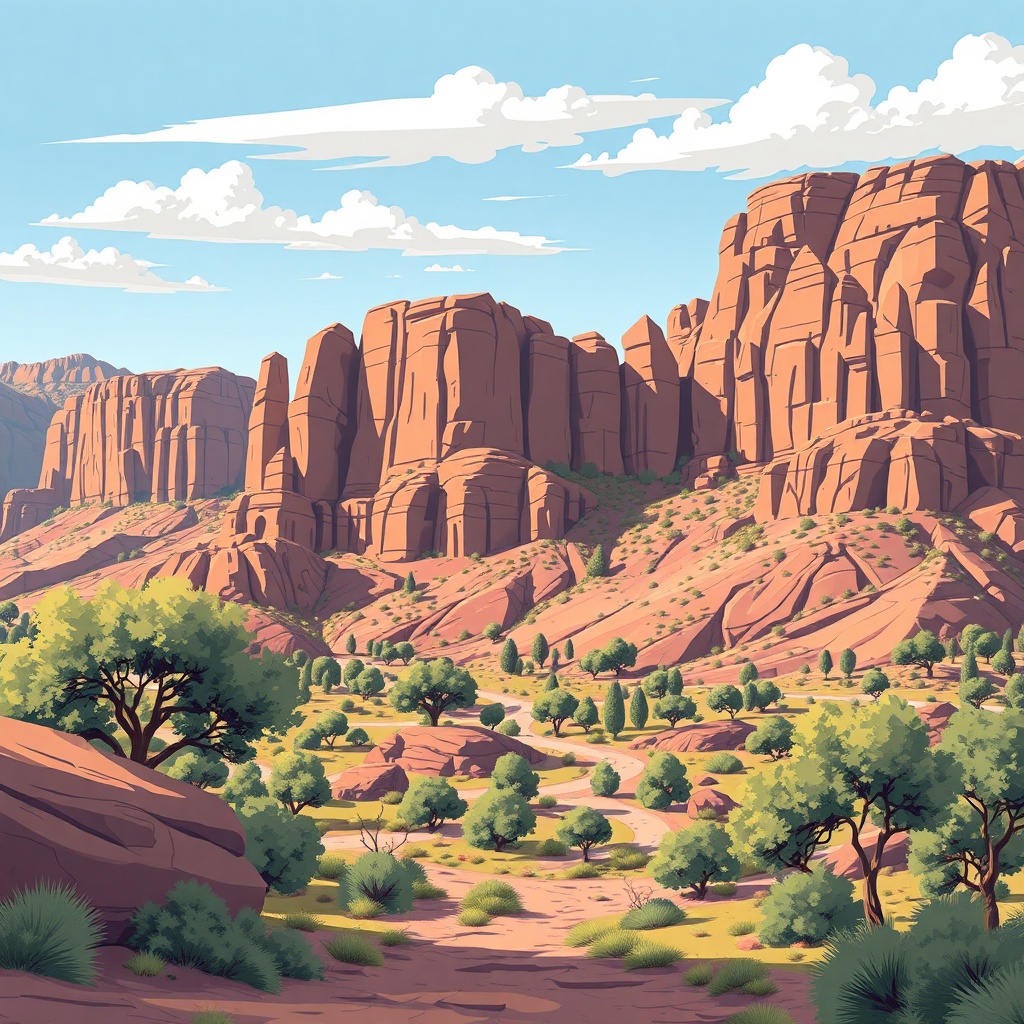
Moab sits at the gateway to some of the most dramatic red-rock landscapes in the country — a compact region offering Arches, Canyonlands, and state parks that deliver hiking, off-roading, biking, river trips, and world-class photography. Whether planning a quick day trip from town or a longer backcountry adventure, understanding access, safety, and leave-no-trace practices makes the experience better for everyone.
What to see and do
– Arches National Park: Home to concentrated sandstone arches and spires, highlights include Delicate Arch, the Devil’s Garden trail with Landscape Arch, and the Windows section. Scenic pullouts along the park road provide iconic views without long hikes.
– Canyonlands National Park: Split into distinct districts — Island in the Sky, The Needles, and the Maze — each offers unique terrain. Island in the Sky delivers dramatic overlooks easily reached by car; The Needles invites longer hikes and technical routes.
– Off-road and scenic state parks: Nearby state parks and Bureau of Land Management areas provide miles of slickrock, technical 4×4 trails, and dispersed camping opportunities. Popular routes require high-clearance or four-wheel-drive vehicles and skill on rock steps.
– Mountain biking and Slickrock: The Slickrock Bike Trail and nearby singletrack are legendary. Expect steep climbs, exposed sections, and technical descents.
Rentals and guided options are available in Moab.
– River trips and canyoneering: The Colorado and Green rivers offer everything from multi-day rafting to guided half-day trips. Slot canyons and technical descents require permits and specialized skills; guided trips are recommended for those new to the discipline.
– Night sky viewing: Low light pollution means spectacular stargazing; bring a headlamp with a red-light mode to protect night vision.
Timing and access
Popular viewpoints and trails fill quickly during peak periods. Early morning and late afternoon provide softer light for photography and cooler temperatures for longer hikes. Park access policies and reservation requirements can change seasonally, so verify conditions and any timed-entry systems before traveling.
Safety and preparedness
– Hydration and heat: Desert temperatures can spike; carry ample water (more than expected), electrolyte replacements, sun protection, and a hat. Avoid strenuous activity in the midday heat.
– Navigation and gear: Trails can be exposed and poorly marked.
Carry a map, compass or GPS, and adequate footwear.
For technical climbs, canyoneering, or off-road driving, use appropriate, well-maintained equipment and consider hiring a guide.
– Weather hazards: Flash floods in narrow canyons and sudden storms are real risks. Check forecasts, avoid dry washes during storms, and be prepared to change plans.
– Wildlife and plants: Keep distance from animals and avoid trampling sensitive cryptobiotic soil crusts that stabilize the desert surface.
Permits, fees, and regulations
Parks charge entrance fees and may require permits for backcountry camping, road-based timed-entry, or commercial activities. Permits also protect fragile cultural sites — never remove artifacts or disturb rock art. Confirm current regulations with the official park service before setting out.
Leave no trace
Stick to designated trails, camp only in approved sites, pack out all trash, and minimize campfire impacts. Small actions protect fragile ecosystems and preserve views for future visitors.
Practical checklist
– Park maps and latest alerts (official park websites)
– Sufficient water and layered clothing
– Sun protection and first-aid kit
– High-clearance vehicle or reservation for guided tours if needed
– Camera with extra batteries/memory for sunrise/sunset shots
Moab’s unique convergence of geology and recreation rewards careful planning and respect for the landscape.
Whether photographing an orange glow framing a natural arch or descending a slickrock ridge on a bike, the area offers unforgettable outdoor experiences when approached with preparation and stewardship.