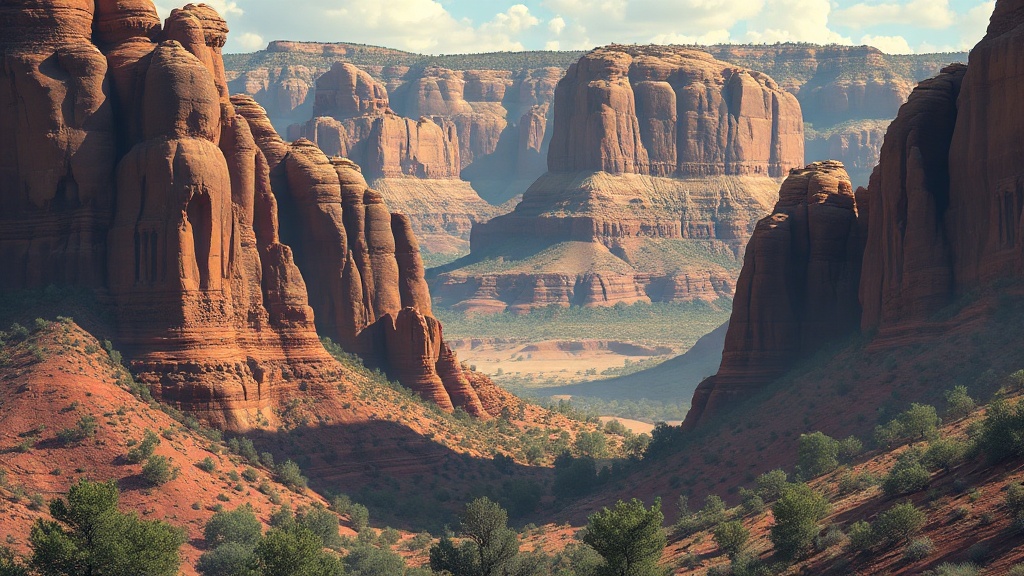
Moab’s park country blends red-rock drama, endless outdoor options, and a fragile desert ecosystem, making it one of the most magnetic destinations for hikers, mountain bikers, off-road enthusiasts, and photographers. Whether you’re drawn to the iconic fins and arches, the canyon rims above the Colorado and Green Rivers, or the slickrock singletrack, a few smart choices will make your visit safer, more enjoyable, and more respectful of this special landscape.
What to prioritize
– Hiking: From short viewpoints to multi-mile trails, plan hikes around cooler parts of the day.
Sunrise and late afternoon offer softer light for photos and significantly fewer people.
Popular viewpoints are near trailheads, so expect company even early.
– Mountain biking: Trails like the famed slickrock corridor provide a unique ride on sandstone. Bring a reliable bike with good brakes, extra tubes, and a pump; desert rides are demanding and remote.
– Off-roading: Moab’s dirt roads and four-wheel-drive trails are legendary. If attempting technical routes, use a properly equipped vehicle, travel with a partner when possible, and know recovery techniques.
Many trails cross fragile terrain—stick to designated routes.
– Water-based activities: The Colorado and Green Rivers offer rafting, kayaking, and scenic floats. Book guided trips if unfamiliar with river hazards and paddling techniques.
Safety and planning
Desert environments present heat, sun exposure, and rapid weather changes. Carry several liters of water per person, wear sun protection, and know the length and difficulty of your route before you start. Flash floods can occur during storms, especially in narrow canyons—check forecasts and avoid slot canyons when heavy rains are possible. Cell service may be limited; download maps and inform someone of your plans.
Leave-no-trace practices
Protecting Moab’s delicate soils, cryptobiotic crusts, and archaeological sites ensures these places endure. Stay on established trails, avoid shortcuts on slickrock, and never disturb petroglyphs or ruins. Pack out all trash and minimize group sizes on popular routes to reduce impact.
Photography and stargazing
The red-rock landscape rewards photographers with dramatic silhouettes and color contrasts during golden hours. For iconic shots, scout compositions early and be mindful of other visitors.
Night skies in the area are dark and spectacular—find a safe pullout or campground away from lights for astrophotography or simple stargazing.
Permits, access, and local rules
Popular areas may use timed-entry systems, special permits, or permit requirements for backcountry camping and commercial activities.
Motorized use and camping rules vary by land manager, so verify regulations before arrival. Respect posted signs and seasonal closures designed to protect wildlife and cultural resources.
Local stewardship
Supporting sustainable tourism helps maintain trails, visitor services, and conservation efforts. Consider using local guides for specialized activities, buying from local outfitters, and staying at businesses that prioritize environmental stewardship.
Final tip
Plan with flexibility—beat the heat, respect the land, and prioritize safety. With proper preparation and a leave-no-trace mindset, Moab’s parks reward visitors with unforgettable landscapes, outdoor challenges, and an enduring sense of place.