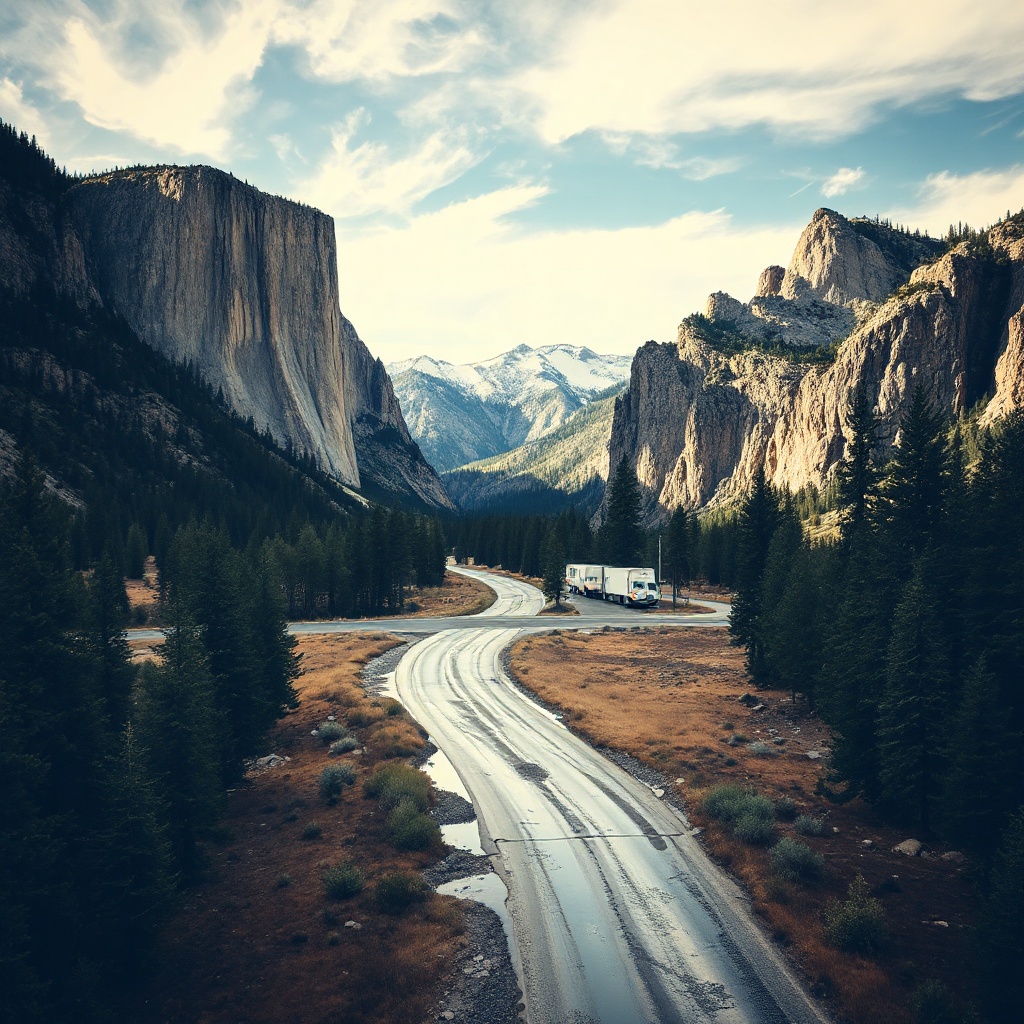
Wyoming offers a rare combination of wide-open spaces, dramatic mountains, geothermal wonders, and night skies that feel untouched. Whether you’re headed for the geysers and wildlife of Yellowstone, the soaring peaks of the Tetons, or the secret backroads of the high plains, experiencing Wyoming’s wild places responsibly ensures they stay healthy and accessible for everyone.
Plan ahead and know the rules
Much of Wyoming’s landscape is public land—national parks, national forests, BLM lands, and state parks—each with different rules. Check permit requirements before backcountry travel, learn parking and camping regulations for popular trailheads, and make reservations where required. Cell service is sparse in many areas, so download maps and leave trip plans with someone who isn’t joining you.
Wildlife safety is nonnegotiable
Encounters with bison, elk, moose, bears, and wolves are part of the experience, but they can be dangerous if animals are surprised or harassed. Stay on marked trails and boardwalks in geothermal areas; thermal features are fragile and scalding. Keep a respectful distance from all wildlife—move quietly, avoid sudden movements, and never feed wild animals. Carry bear spray where appropriate and know how to use it; learn the difference between defensive and predatory behavior.
Roads and driving etiquette
Wyoming’s highways and backroads can be stunning but remote. Expect occasional wildlife crossings and livestock near roadways. Drive defensively, reduce speed in low-visibility conditions, and pull over at designated spots to view scenery—don’t stop in travel lanes. If exploring gravel or high-clearance routes, check vehicle requirements and weather conditions; many roads become impassable after storms or during thaw cycles.
Fire, weather, and seasonal hazards
Wind, rapid temperature swings, and sudden storms are part of Wyoming’s climate. Always carry layered clothing, sun protection, and plenty of water.
Wildfire risk can be high and restrictions on campfires or stoves may be enforced; follow local fire bans and use established fire rings or backpacking stoves where allowed. Be prepared for river and creek crossings in higher-elevation areas; water levels rise quickly during snowmelt and after heavy rain.
Low-impact travel tips
Leave No Trace principles preserve scenery and wildlife: pack out trash, minimize campsite impacts, and stick to durable surfaces. Choose established campsites, avoid trampling vegetation, and use human waste protocols where no facilities exist. Consider low-impact transportation options where available—park shuttles, guided tours, or electric vehicle rentals—and plan charging stops if driving an EV, since fast chargers are concentrated in towns and along major routes.
Night skies and quiet places
Wyoming’s minimal light pollution makes it one of the best places for stargazing. Visit designated dark-sky areas or simply step away from town lights to enjoy the Milky Way. Respect quiet hours at campsites and keep noise to a minimum to preserve the nocturnal experience for wildlife and fellow visitors.
A better experience for everyone
Responsible travel in Wyoming balances adventure with stewardship. With thoughtful planning, respect for wildlife and local rules, and a commitment to low-impact practices, you’ll enjoy the state’s dramatic landscapes while helping protect them for future visitors. Plan ahead, stay safe, and leave the place better than you found it.