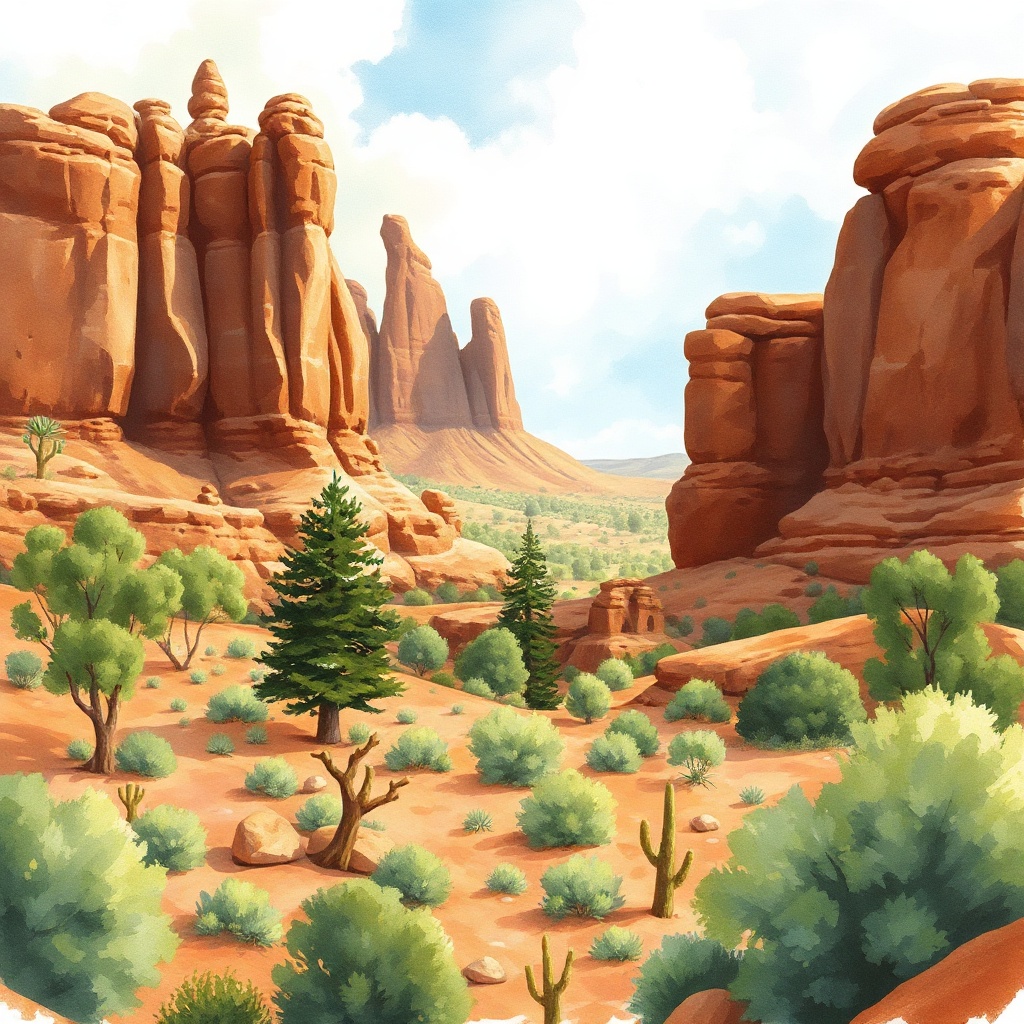
Moab is synonymous with dramatic red-rock landscapes, world-class adventure and easy access to two iconic parks that draw outdoor lovers for good reason. Whether you’re after sweeping arches carved from sandstone, vast canyon panoramas or slickrock bike runs, Moab’s park country delivers bold scenery and endless ways to explore.
What to expect on the trails
Arches National Park showcases thousands of natural stone arches, delicate fins and photogenic formations. Popular hikes like the Delicate Arch trail reward effort with a solitary moment framed against the valley below, while shorter strolls take you to Balanced Rock and the Windows area.
Canyonlands National Park offers a different mood — deep river-cut canyons, mesas and dramatic overlooks. Mesa Arch and Grand View Point grant cinematic vistas with minimal effort.
Trail difficulty ranges from easy paved viewpoints to rugged, exposed routes. Plan hikes around temperature swings: desert sun can be intense and shade is limited. Pack at least one gallon of water per person for a full day out, wear sun protection and sturdy footwear. Check trail conditions with park rangers before heading into remote areas.
Activities beyond hiking
Mountain bikers flock to the Slickrock Trail for its unique sandstone riding or head to the Whole Enchilada for expert-grade singletrack that drops from alpine terrain to the Colorado River. Off-roading is another Moab staple — scenic BLM roads and technical 4×4 routes like Hell’s Revenge attract enthusiasts, but many rental companies prohibit off-highway driving, so verify vehicle policies and carry recovery gear. For a quieter pace, guided river trips on the Colorado or Green Rivers reveal slot canyons and deserted beaches, while canyoneering and rock climbing offer vertical challenges for experienced adventurers.
Practical tips and permits
Popular viewpoints and parking can fill early, especially during shoulder seasons and holiday weekends. A timed-entry reservation system is sometimes in place for Arches during peak periods, and backcountry camping typically requires permits — check official park and land-management websites for current rules and how to reserve access. Cell service can be limited in canyon areas, so download maps and leave trip plans with someone in town.
Leave no trace and safety
The fragile sandstone formations are easily damaged, so stay on established trails, avoid climbing on arches and respect cultural sites and petroglyphs. Flash floods can occur in narrow canyons after distant storms; avoid slot canyons if rain is in the forecast.
Practice Leave No Trace principles: pack out trash, bury human waste where required or use facilities, and keep campsites minimal.
Photography and best light
Golden hour transforms red rock into molten color. Sunrise at Mesa Arch creates a signature frame for wide-angle shots, while Delicate Arch glows in late-afternoon light. For fewer crowds, aim for early morning or late afternoon visits. Bring a polarizing filter to reduce glare and enhance sky contrast.
Where to base yourself
Moab town serves as the gateway — it offers a full range of lodging, outfitters, guides and restaurants. From there, both Arches and Canyonlands are short drives away, along with access to BLM lands and state parks that widen the playground.
Moab’s park country is a multifaceted destination: adrenaline-packed routes sit alongside serene overlooks and quiet desert nights.
With planning, respect for the landscape and an eye for safety, a visit can be an unforgettable experience that connects you to one of the most iconic desert environments in the region.
Check local park resources before you go to ensure regulations and access are up to date.