Colorado breweries offer more than just pints — they deliver a vivid combination of place-driven flavor, community focus, and adventurous brewing.
Whether you’re chasing hop-forward IPAs, crisp lagers, barrel-aged stouts, or funk-forward sours, the state’s brewery scene is a blueprint for craft beer innovation shaped by altitude, outdoor culture, and a strong local-sourcing ethos.
What makes Colorado beer unique
– High-altitude impact: Brewing at altitude affects boil temperature and carbonation. Brewers adapt recipes and processes to maintain balance and clarity, which often results in bright, clean finishes and lively carbonation that taste distinctly of place.
– Water and raw materials: Rocky Mountain water profile and access to regional grains and hops influence fermentations and mouthfeel. Many breweries highlight local barley, rye, and hop varietals, amplifying Colorado’s terroir in every glass.
– Outdoor lifestyle influence: With heavy outdoor recreation culture, lighter sessionable beers, crisp lagers, and dry-hopped pale ales are popular alongside richer, more experimental releases designed for apres-adventure enjoyment.
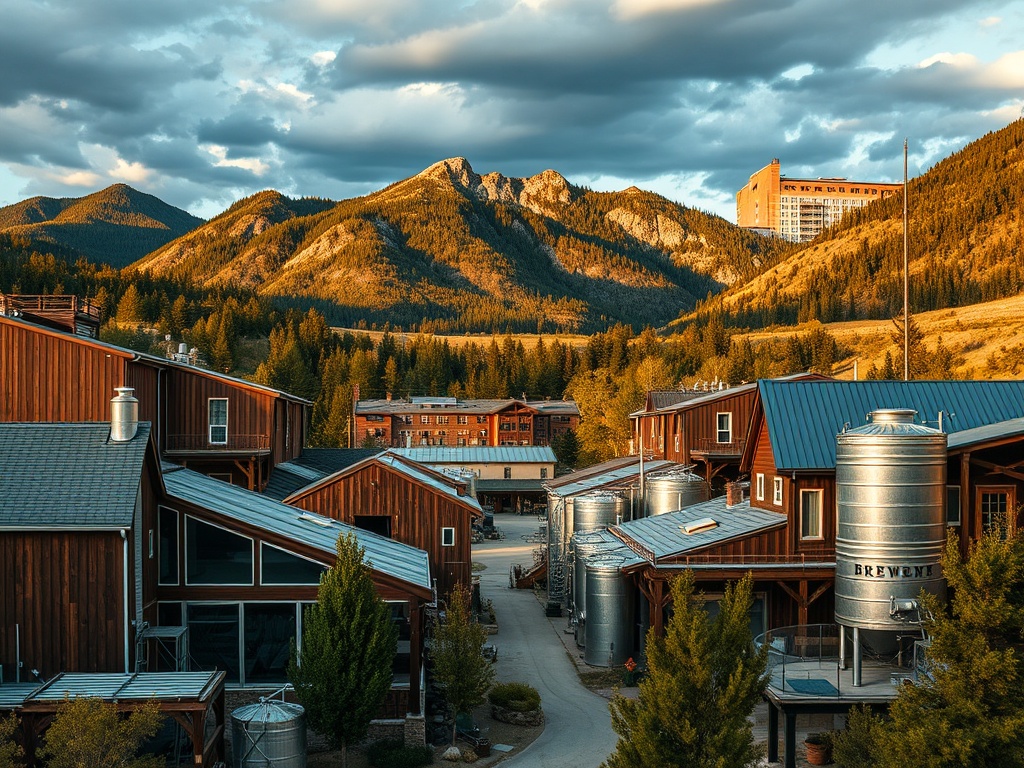
Trends shaping the taproom
– Lager revival: A renewed focus on lagers and cold-fermented beers shows up in many taprooms, where extended-conditioning techniques deliver clean, drinkable beers that pair well with food and warm-weather activities.
– Mixed fermentation & sours: A growing number of breweries invest in wild and mixed fermentation programs. Barrel rooms and funky releases offer layers of complexity for enthusiasts seeking depth and aging potential.
– Hazy and hop-forward styles: New England–style hazy IPAs and tropical, hop-forward pales remain staples, but many Colorado breweries balance haze with improved shelf stability and a focus on drinkability.
– Collaboration culture: Cross-brewery collaborations and community brews are commonplace, creating limited releases that celebrate regional grains, native yeast strains, or local culinary influences.
Taproom experience and tips for visitors
– Expect variety: Taprooms range from small neighborhood brewpubs to sprawling production breweries with full-service kitchens and outdoor patios. Many rotate seasonal and small-batch offerings daily.
– Altitude awareness: If you’re coming from lower elevations, remember alcohol affects differently at altitude. Pace tastings, hydrate, and plan transportation—ride shares and brewery buses are popular for safe brewery-hopping.
– Etiquette: Support pours and flights are a great way to sample. Ask bartenders for recommendations, respect open-pour policies, and leave room for food pairings—many breweries partner with local chefs or host food trucks.
– Dog- and family-friendly options: Outdoor spaces often welcome dogs and families, but indoor policies vary.
Check the brewery’s website or social channels before visiting.
Sustainability and community involvement
Colorado breweries often lead on sustainability, with initiatives like solar panels, water recapture systems, spent grain upcycling to local farms, and ingredient sourcing from nearby suppliers. Many taprooms are community hubs, hosting fundraisers, local artists, and charity events that strengthen neighborhood ties.
Planning a brewery trail
Map out neighborhoods — from urban brewery districts to mountain-community taprooms — to balance travel time and tasting variety. Prioritize bottle shops and taprooms offering growler fills for take-home favorites.
For an immersive experience, book a guided tour or look for breweries that offer behind-the-scenes cellar or barrel-room visits.
Exploring Colorado breweries is about more than drinking beer: it’s exploring a culture of craft, collaboration, and sustainability rooted in a distinctive landscape. Pack patience, a thirst for variety, and a plan to savor each stop.