Montana Fishing: Tips, Top Waters, and Responsible Practices
Montana’s rivers and lakes are legendary for wild trout, scenic float trips, and solitude. Whether you’re chasing rising trout on a freestone stream, trolling for lake trout, or targeting big pike from a quiet bay, the right preparation makes the difference between a good day and a great one.
Where to Go
– Blue-ribbon rivers: The Yellowstone, Madison, Gallatin, Bitterroot, and Big Hole each offer distinct experiences—tailwater trout fishing, spring creek clarity, and big river runs. Waters vary dramatically by stretch, so pick a section that matches your skill level.
– Lakes and reservoirs: Flathead and Hebgen-type lakes hold lake trout and cutthroat; smaller alpine lakes can produce dazzling brook trout.
Expect deeper water techniques for lake trout and more sight fishing on gin-clear high-country lakes.
– Tailwaters and spring creeks: These waters often hold consistent populations and can showcase unforgettable dry-fly action early and late in the day.
Species and Tactics
– Trout (rainbow, brown, cutthroat, brook, lake): Nymphing is the go-to technique for most rivers—think Euro nymphing or dead-drift dry-dropper rigs. During hatch windows, switch to dries or emergers. For lake trout, downriggers, lead-core lines, or deep-diving plugs work well.
– Pike and bass: Shorelines with submerged structure, weed edges, and drop-offs are prime. Use streamers or large crankbaits and be ready for fast, powerful strikes.
– Walleye and kokanee: Target deeper structure at dawn or dusk; slow-trolled spinners and small jigs are effective.
Gear Essentials
– Rods: 9-foot 5-6 weight rods are versatile for most trout situations; heavier rods (7–9 weight) handle larger streamers and windy conditions. For lakes, match rod weight to lure type and depth.
– Line and leaders: Use a weight-forward floating line for most river work and add sinking tips for deeper runs. Carry a selection of leader and tippet sizes—3X to 6X covers most trout needs.
– Flies and lures: Stock nymphs (Pheasant Tail, Hare’s Ear, Copper John), midges, and local terrestrials (ants, hoppers). Streamers like Woolly Buggers and Zonkers are key when targeting aggressive fish.
Safety and Practicalities
– Licenses and regulations: A valid license is required for all anglers; regulations vary by water and season. Always check closures, slot limits, and bait restrictions before you fish.
– River safety: Fast currents, submerged hazards, and cold water can be dangerous. Wear a PFD when on a boat, use a wading staff when crossing rivers, and don’t wade alone in unfamiliar waters.
– Wildlife and terrain: Be bear-aware in backcountry areas; store food properly and know how to respond to encounters.
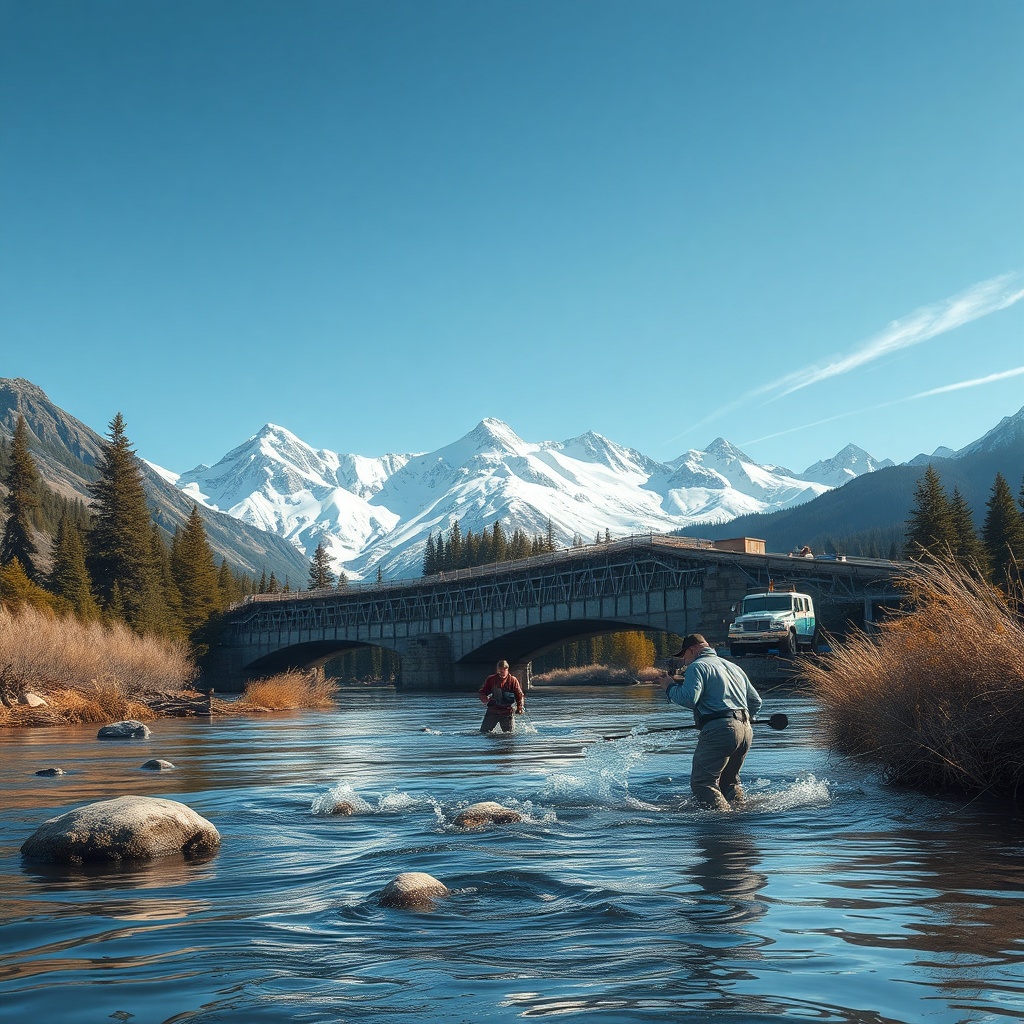
Expect rapidly changing weather—layers and quick-drying fabrics are essential.
Conservation Best Practices
– Handle fish with wet hands, minimize air exposure, and revive fatigued trout before release. Use barbless hooks or crimp barbs to reduce injury.
– Pack out all trash and line, respect private land boundaries, and follow catch-and-release guidelines where posted. Supporting local conservation groups helps protect habitat and access for future fishing.
Quick checklist before you go: confirm your license and local regs, pack appropriate gear and safety equipment, and have a plan for access and parking. With preparation and respect for the resource, Montana fishing delivers unforgettable water, scenery, and pursuit.