The Rocky Mountains remain one of North America’s most compelling landscapes — a backbone of jagged peaks, expansive alpine meadows, and critical watersheds.
As use and environmental pressures increase, understanding how to enjoy the Rockies responsibly will help protect fragile ecosystems while keeping visitors safe.
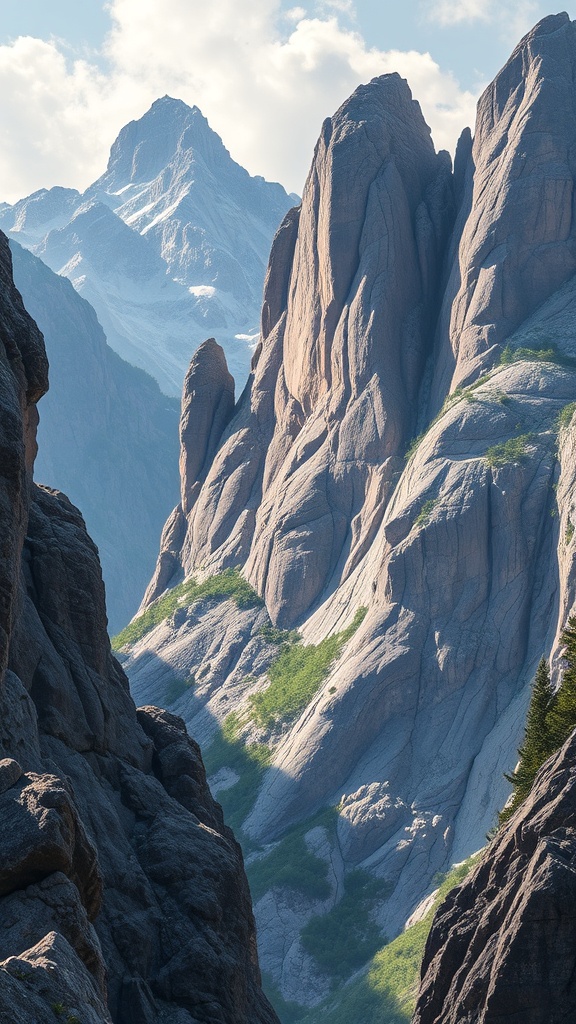
Why the Rockies matter
The Rockies are more than scenic vistas. They store snowpack that feeds major rivers, host rare alpine plants and animals, and support outdoor economies from small mountain towns to major parks.
Alpine zones above treeline are especially delicate: shallow soils, slow-growing vegetation, and short growing seasons make recovery from disturbance slow. Wildlife such as elk, mountain goats, grizzly and black bears, and migratory birds rely on connected habitats that can be fragmented by roads, development, and heavy recreation use.
Current pressures and changing conditions
A warmer climate is influencing snowpack timing, pushing treelines upward, and increasing the frequency and severity of wildfires and drought stress. These changes alter water availability downstream and can reduce habitat for cold-adapted species. At the same time, more people are visiting mountain areas, creating wear on trails and campsites and increasing rescue incidents. Avalanche risk remains a major hazard in winter and spring, while summer thunderstorms and lightning can create sudden danger at high elevations.
How to recreate responsibly
– Plan ahead: Check trail and weather reports, permit requirements, and posted closures from park or forest managers before heading out. Adjust plans for changing conditions.
– Practice Leave No Trace: Camp on durable surfaces, pack out all trash, bury human waste properly when required, and avoid trampling vegetation above treeline.
– Respect wildlife: Observe from a distance, store food and scented items securely, and never feed animals. Maintain a safe distance for both your safety and theirs.
– Prepare for altitude and weather: Bring layered clothing, extra water, and navigation tools. Weather can change rapidly; afternoon storms are common in mountain climates.
– Mind fire risk: Follow local fire restrictions closely, use established fire rings where allowed, and consider a stove instead of open fires in marginal conditions.
– Learn backcountry safety: Carry avalanche gear and training in winter terrain; know self-rescue basics and how to signal for help. Leave trip plans with someone who can raise the alarm if you don’t return.
Conservation actions that help
Support land managers and conservation groups working to protect core habitats and restore riparian zones. Volunteer trail stewardship and participate in organized cleanups to reduce human impact. When choosing gear, prioritize durable, repairable items to reduce waste; proper footwear and gear also limit trail widening and erosion.
Travel tips for a better experience
Visit popular places during shoulder seasons or explore less-crowded trailheads to reduce pressure on heavily used areas. Night skies in the high country are excellent for stargazing — practice low-light etiquette. Local visitor centers and ranger stations offer up-to-date guidance, interpretive programs, and maps that can greatly enhance safety and enjoyment.
The Rockies reward thoughtful visitors with unforgettable scenery, wildlife encounters, and solitude — when sought responsibly. By learning current conditions, minimizing impact, and supporting conservation efforts, you help ensure these mountain landscapes remain resilient and accessible for everyone who follows.
Plan responsibly, respect the land, and carry the knowledge needed for a safe, low-impact mountain experience.