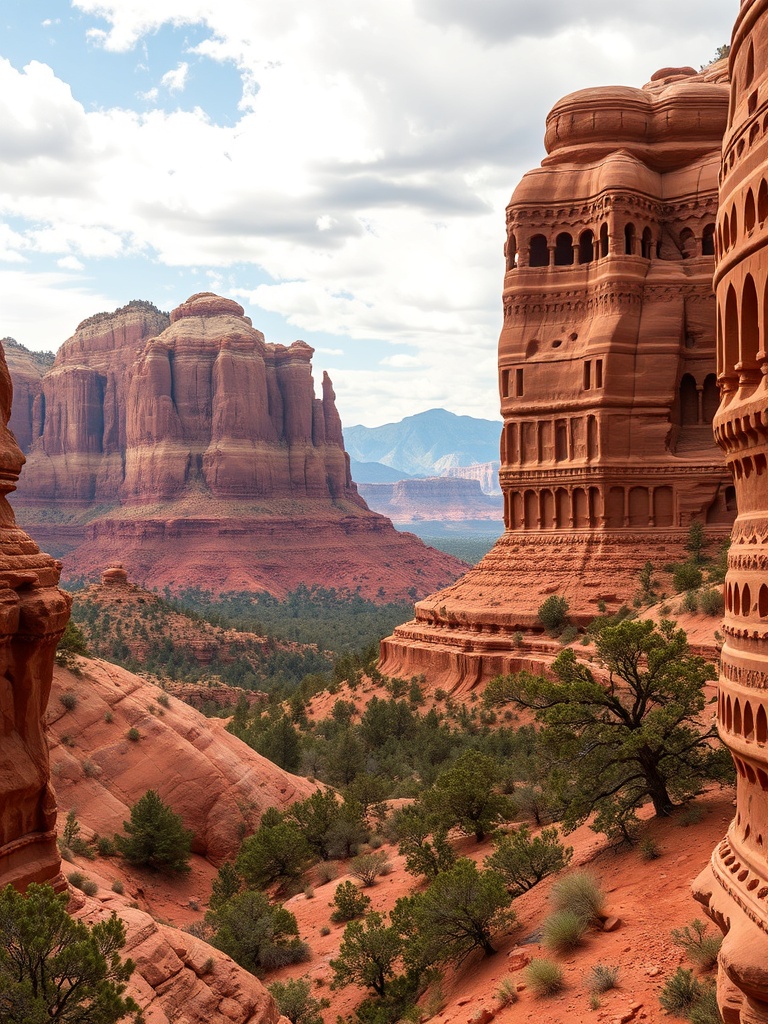
Moab and its national parks offer some of the most dramatic red-rock landscapes in the country, drawing hikers, mountain bikers, climbers, off-roaders and stargazers to a compact, unforgettable playground. Whether you’re chasing a sunrise glow on an arch or exploring a remote canyon, a few practical strategies make visits safer, greener and more enjoyable.
Why people come
Arches and Canyonlands are the big draws near Moab, with sculpted sandstone arches, fins and mesas carved by wind and water.
The Slickrock Trail and nearby singletrack attract mountain bikers from around the world, while thousands of kilometers of BLM land and designated 4×4 routes provide off-road adventure.
At night, the region’s dark skies reward campers and photographers with spectacular views of the Milky Way.
Practical planning tips
– Check official park updates before you go. High visitation, road maintenance, permit requirements or temporary closures can affect access and parking. Timed-entry or reservation systems may be used during peak periods.
– Arrive early or later in the day to avoid the busiest hours and the harshest sun. Popular trailheads fill quickly.
– Carry more water than you expect.
Desert heat and sun exposure make hydration essential; plan for several liters per person for even shorter outings.
– Expect limited cell service in many areas. Download maps ahead of time and share your plans with someone who isn’t with you.
– Pack layers. Temperatures swing dramatically between shade and sun and between daytime and night.
Trail and trailhead etiquette
– Stay on established trails and slickrock paths. Off-trail travel damages cryptobiotic soil crusts that are slow to recover and are essential for desert ecology.
– Leash dogs where required and clean up after them; many trails prohibit pets.
– Leave fossils, plants and cultural artifacts in place.
Do not carve or mark rocks, and avoid moving cairns except where trail markers are missing.
– Carry out all trash and dispose of waste properly. Use restrooms at trailheads when available.
Activity-specific tips
– Hiking: Choose routes that match your fitness and experience. Rugged options include longer loop hikes and technical sections where navigation skills help. Good footwear with tread is crucial on slickrock and uneven sandstone.
– Mountain biking: The Slickrock Trail requires a firm riding technique and respect for hikers. Yield to hikers, announce your approach on blind corners and ride within your limits. Helmet and hydration are non-negotiable.
– Off-roading: Many routes require high-clearance, 4WD vehicles and good recovery gear. Research route difficulty, carry a map and recovery equipment, and avoid driving on drought-stressed soils.
Register where required and follow seasonal restrictions.
– Stargazing: Find a dark-sky location away from town lights. Bring a red flashlight, dress warmly and allow your eyes to adjust for the best views.
Sustainability and safety
The Moab area’s popularity has real impacts on fragile desert ecosystems. Practice Leave No Trace principles: minimize campfire impacts, use established campsites, and reduce noise. Respect wildlife by observing from a distance and avoiding feeding.
For the most current trail conditions, permit rules and safety notices, consult the official park and land-management websites before traveling. A little preparation goes a long way toward a memorable, responsible visit to this iconic red-rock landscape.