Moab’s parks offer some of the most dramatic red-rock landscapes in the country, drawing hikers, mountain bikers, climbers, and off-road drivers to explore arches, mesas, and canyons carved by eons of wind and water. Whether you’re heading to Arches, Canyonlands, or nearby state and BLM lands, a little preparation makes for a safer, more rewarding visit—and helps protect these fragile deserts for everyone.
Plan around access and permits
– Arches National Park uses a timed-entry reservation system during peak periods; Canyonlands and adjacent BLM lands can also have busy trailheads and limited parking. Check official National Park Service and Bureau of Land Management pages before you go to confirm any reservation, permit, or fee requirements.
– Backcountry overnight stays in many park areas require permits.
If you’re planning overnight hiking, backpacking, or technical climbing, secure permits well in advance and follow permit conditions.
Choose routes that match your ability
– Classic hikes range from short, iconic walks to full-day scrambles: Delicate Arch, Windows Section, and Double O are popular in Arches; Mesa Arch and Grand View in Island in the Sky offer stunning viewpoints in Canyonlands.
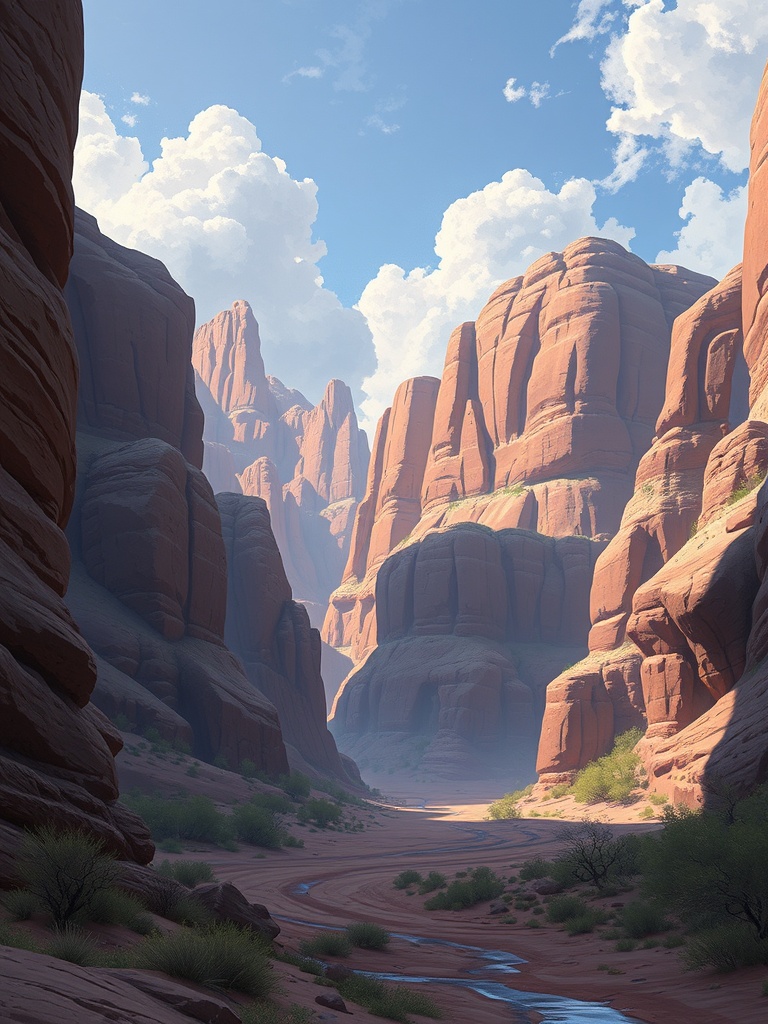
Many routes are exposed and unshaded—know your limits and turn back if conditions exceed your comfort or skills.
– Mountain bikers often target the Slickrock Bike Trail, Porcupine Rim, and the Captain Ahab/Fisher Towers area. Technical sections and steep descents demand good bike handling and protective gear.
– Off-road enthusiasts should register with the BLM or park office if required and stick to designated routes. Moab’s 4×4 trails can be spectacular but are not suitable for standard vehicles.
Safety and desert essentials
– Hydration is the most important factor. Carry significantly more water than you think you’ll need; electrolyte replacement is helpful on long routes.
Sun protection—hat, sunscreen, sunglasses—matters on exposed slickrock.
– Weather can change rapidly. Flash floods in narrow canyons and sudden storms are hazards even when skies seem clear miles away. Check the forecast, avoid washes if storms are predicted, and know escape routes.
– Mobile coverage is intermittent. Carry a paper map, download offline maps, and tell someone your itinerary and expected return time.
Leave no trace and respect fragile features
– Desert cryptobiotic soil and delicate rock formations take decades to recover from damage.
Stay on established trails, avoid walking on cryptobiotic crust, and don’t climb on arches or sculpted fins.
– Pack out what you pack in.
Consider using established campgrounds or legal dispersed sites on BLM land, and follow fire regulations—open fires may be restricted in dry conditions.
Experience beyond the trails
– Sunrises and sunsets transform the red rock; popular overlooks fill early, so arrive ahead of peak light if you want solitude or the best photos.
– Stargazing in the desert is exceptional due to low light pollution. Check for special night-sky programs or ranger-led events if you want guided viewing.
– Local outfitters offer guided hikes, canyoneering, rafting on the Colorado River, and scenic drives. Guided trips can expand access to technical routes while minimizing impact.
By planning ahead, staying safe, and following simple stewardship practices, you’ll leave Moab’s parks as beautiful as you found them—and bring home memories rather than footprints. Check official park and BLM resources for the latest access rules and alerts before you visit.