Wide-open landscapes, big-sky sunsets, and a deep ranching heritage make Wyoming ranches a lasting draw for buyers, operators, and visitors seeking authentic western life. Whether you’re evaluating a working cattle operation, exploring a guest-ranch investment, or simply dreaming of a recreational spread, understanding the key features that define successful Wyoming ranches helps you make smarter choices.
What makes a Wyoming ranch valuable
– Land quality and forage: Soil types, native grasses, and past season conditions determine carrying capacity. Look for healthy stands of bluebunch wheatgrass, western wheatgrass, and needle-and-thread grass, and watch for invasive annuals that can reduce long-term productivity.
– Water resources and rights: Springs, stock tanks, irrigation pivots, and well capacity matter more than acreage alone. Confirm water rights and reliability—seasonal streams and shallow wells require different management than spring-fed systems.
– Infrastructure: Working corrals, handling facilities, hay barns, equipment storage, fences, and maintained roads can dramatically reduce start-up costs.
Evaluate stock water delivery, electric reliability, and improvements for guest accommodations if considering tourism income.
– Access and location: Proximity to town services, livestock markets, and veterinary support influences operational efficiency. Properties adjacent to public lands offer expanded recreational opportunities and grazing options but can carry management challenges.
Sustainable ranch management that enhances value
Ranchers in the region are focusing on resilience and long-term stewardship. Practices that support sustainability and marketability include:
– Rotational grazing: Moving herds to allow rest periods for pastures improves forage quality, reduces erosion, and can increase carrying capacity.
– Riparian protection: Fencing off streams and restoring native vegetation stabilizes banks and improves water quality, which benefits livestock and wildlife.
– Drought preparedness: Maintaining flexible stocking rates, diversified feed sources, and contingency water plans helps operations withstand variable seasons.
– Renewable energy and efficiency: Solar arrays for outbuildings, efficient lighting, and upgraded insulation for barns and guest lodges lower operating costs and boost property appeal.
Diversified income streams
Diversification can make ranch ownership more viable and profitable.
Common approaches include:
– Cattle and sheep operations with seasonal grazing rotations
– Hay production or irrigated pasture leases
– Recreational leasing for hunting, fishing, and horseback experiences
– Guest ranches (dude ranches) offering lodging, guided hunts, trail rides, and fly-fishing
– Conservation easements that provide tax incentives while protecting working landscapes
Wildlife coexistence and regulations
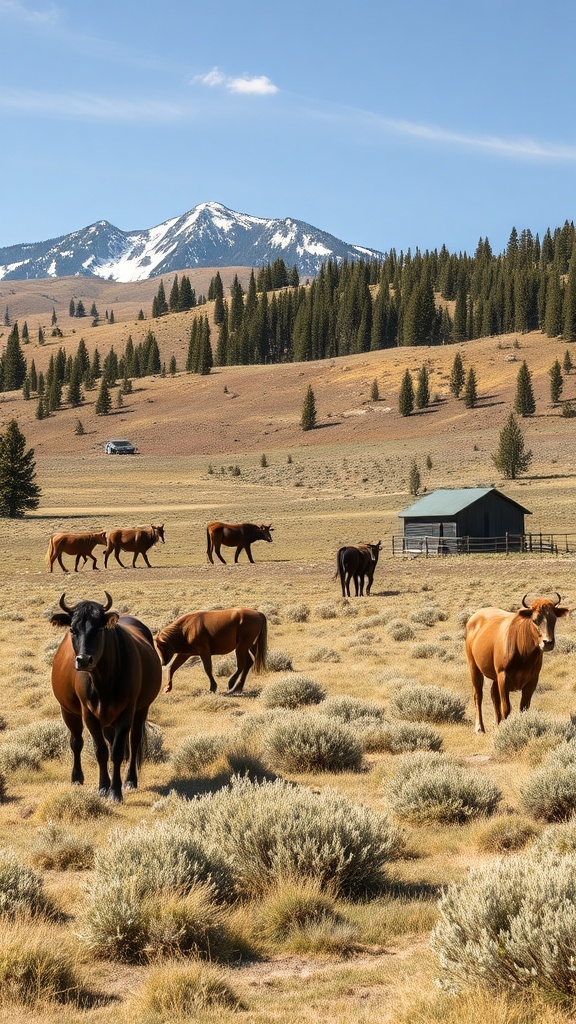
Wyoming’s wildlife—elk, mule deer, pronghorn, sage-grouse—adds both value and responsibility. Collaboration with state wildlife agencies and conservation partners can help balance livestock production with habitat protection. Be mindful of predator management policies and public land grazing permits; both influence operational plans.
Buying and evaluating a ranch
When evaluating offers, prioritize due diligence on title, water rights, grazing leases, and conservation encumbrances. Walk pastures with a local range specialist, inspect wells and septic systems, and consider seasonal visits to see snowpack, forage growth, and access at different times of the year.
Wyoming ranches embody a lifestyle and an investment. With careful attention to land health, water reliability, and diversified income strategies, ranches can sustain productive working landscapes while providing exceptional recreational and lifestyle opportunities. For prospective buyers and operators, local expertise—from real estate brokers to range consultants and county extension agents—remains an essential resource when planning the next step on the ranch.