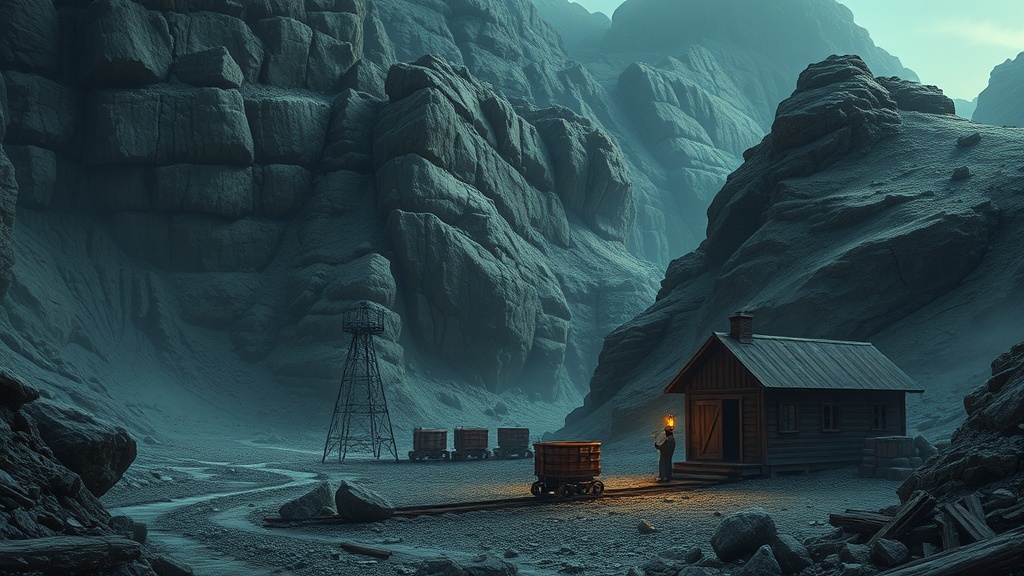
The enduring appeal of mining towns combines rugged history, dramatic landscapes, and stories of rapid growth and decline. Once centered on extraction, many of these communities are redefining themselves through heritage tourism, economic diversification, and environmental recovery — offering lessons about resilience and the changing face of resource-driven places.
What defines a mining town
Mining towns typically sprang up around an ore deposit, coal seam, or mineral discovery.
Infrastructure, housing, and local services expanded fast during boom periods, then contracted when resources were exhausted or commodity prices fell. That boom-bust pattern gave rise to ghost towns and to settlements that had to reinvent local economies to survive.
Paths to reinvention
Heritage tourism is a common and effective pivot. Restored main streets, museums, guided mine tours, and festivals attract visitors interested in industrial history and outdoor recreation. When marketed thoughtfully, heritage assets can generate year-round spending and support local artisans, restaurants, and lodging.
Another path is industry transition. Some towns leverage nearby resources or existing skills to attract renewable-energy projects, battery supply-chain operations, or light manufacturing. Remote work trends and improved broadband access have also brought new residents who seek affordable housing and scenic living, stimulating local service economies without relying solely on extraction.
Environmental remediation and safety
Mine reclamation is central to long-term viability. Successful projects stabilize tailings, re-vegetate landscapes, and treat contaminated water, turning degraded land into parks, grazing areas, or solar installations.
Community involvement in remediation planning helps balance environmental goals with local needs, while transparent monitoring builds trust with residents and visitors.
Safety remains a priority around old workings and active mines. Closed shafts, unstable structures, and residual contamination pose hazards. Clear signage, maintained trail systems, and education for visitors reduce risk and protect fragile historic sites.
Technology shaping modern mining towns
Automation, remote monitoring, and drone surveys are reshaping local employment and operational footprints. While these technologies improve safety and efficiency, they can reduce on-site labor demand, making economic diversification more urgent. Conversely, technology deployment can create new jobs in maintenance, data analysis, and renewable-energy installations.
Social and cultural dimensions
Mining towns carry complex legacies, including immigrant labor histories, labor movements, and environmental justice concerns. Preserving and interpreting these stories ensures that tourism and redevelopment respect local identities. Investment in cultural programming, oral history projects, and adaptive reuse of industrial buildings strengthens community pride and attracts culturally minded visitors.
Responsible visiting and investment
– Respect private property and posted warnings near old mine features.
– Choose locally owned businesses, guides, and accommodations to maximize community benefits.
– Look for tours and experiences that emphasize safety and accurate historical context.
– Support projects that prioritize environmental remediation and long-term job creation.
The future of mining towns hinges on balanced strategies that honor heritage, protect environments, and foster diverse economies. Whether attracting curious travelers, renewable-energy projects, or remote workers, these places show how communities can transform legacy landscapes into sustainable, living destinations. Consider visiting with curiosity and care — many of the most interesting stories are still being written.