The Rocky Mountains stretch across vast swaths of North America, offering dramatic peaks, alpine meadows, and rich biodiversity that attract outdoor enthusiasts, photographers, and conservationists. Whether planning a day hike, a multi-day backpacking trip, or simply a scenic drive, understanding the range’s geology, ecosystems, and safety considerations makes any visit more rewarding.
What makes the Rockies unique
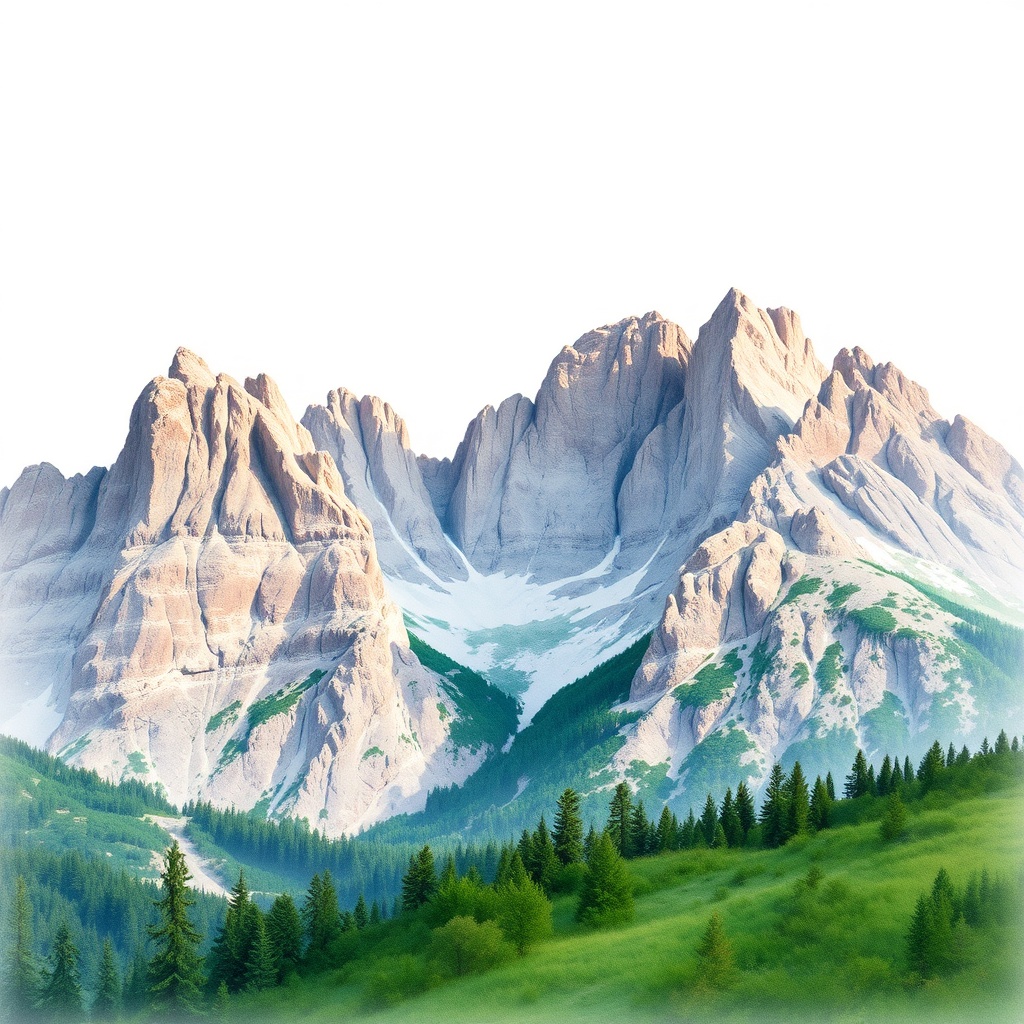
The Rockies are the product of powerful tectonic forces and long-term erosion, producing jagged summits, deep valleys, and layered rock formations that reveal ancient Earth history. Elevation creates distinct life zones: lower montane forests give way to subalpine spruce-fir stands, then to alpine tundra where only hardy plants survive.
This diversity supports charismatic wildlife—elk, mule deer, bighorn sheep, mountain goats, and a variety of raptors—alongside more elusive species like bears and lynx in some regions.
Hiking and backcountry basics
– Acclimatize and pace yourself: Altitude affects even experienced hikers.
Start with shorter, gentler outings to adapt, stay well hydrated, and avoid rapid ascents.
– Check permits and conditions: Many popular parks and wilderness areas require permits for day hikes or overnight trips, and trail conditions can change rapidly due to weather or seasonal closures.
– Pack smart: Essentials include a topo map and compass (or reliable GPS), extra layers, rain gear, high-energy snacks, sun protection, headlamp, first-aid kit, and a means to treat water.
In winter or snowy conditions, carry appropriate traction and avalanche safety gear with the training to use it.
Wildlife etiquette and safety
Observing wildlife responsibly means keeping distance, not approaching or feeding animals, and storing food securely at campsites. Bears are common in many parts of the range; carry bear spray and know how to use it, hang or use bear-resistant storage where required, and keep campsites clean.
Use binoculars and long lenses for close-up views without disturbing animals.
Weather and hazards
Mountain weather is famously changeable—sunny mornings can turn into afternoon thunderstorms with lightning.
Avoid being on exposed ridgelines or above treeline during stormy afternoons. Snow can persist late into the season at higher elevations, and avalanche risk remains a serious winter hazard.
Check local avalanche forecasts and only travel in hazardous terrain with proper training and partners.
Leave No Trace and low-impact travel
Protect fragile alpine vegetation and reduce erosion by staying on designated trails and camping in established sites.
Pack out all trash, minimize campfire impacts (use a stove where fires are restricted), and respect seasonal closures designed to protect wildlife and restore sensitive areas. Supporting trail maintenance groups and local conservation organizations helps keep trails safe and ecosystems healthy.
Photography and experience tips
For dramatic landscape photos, aim for sunrise or sunset when low-angle light sculpts peaks and clouds. A polarizing filter enhances sky contrast and reduces reflections in lakes. Compose with foreground interest—boulders, wildflowers, or trees—to add depth. Most importantly, leave room for quiet moments: sometimes the best memories are the unphotographed ones.
Conservation outlook
The Rockies face pressures from changing climate patterns, shifting species ranges, glacier retreat in glaciated zones, and increased wildfire frequency. Thoughtful recreation—sticking to trails, respecting seasonal protections, and supporting conservation efforts—helps preserve these places for future visitors and the wildlife that depends on them.
Plan responsibly, respect fragility, and enjoy the mix of challenge and serenity that the Rocky Mountains offer. A well-prepared trip not only keeps you safe but also helps maintain these iconic landscapes for the next visitor.