Wyoming: Big Skies, Wild Places, and the Next Chapter for the American West
Why Wyoming draws visitors
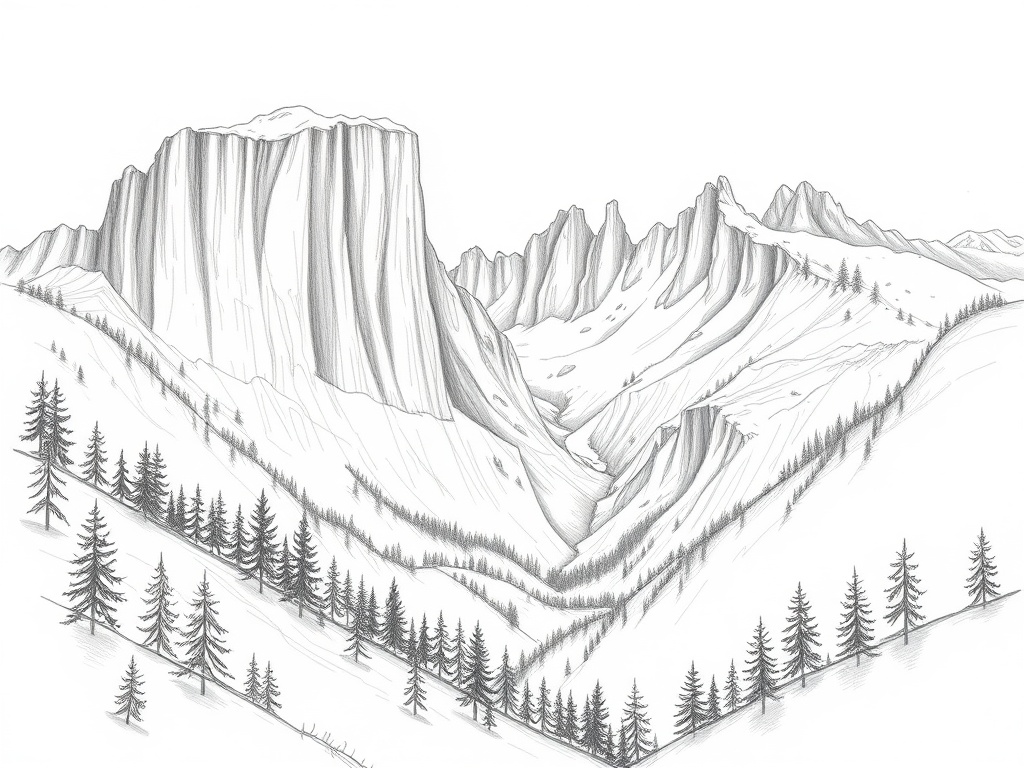
Wyoming is famous for dramatic landscapes and wide-open skies. National treasures like Yellowstone and Grand Teton draw people who want geysers, jagged peaks, and abundant wildlife. Small mountain towns such as Jackson Hole offer world-class skiing and boutique dining, while remote high plains and historic ranchlands provide a glimpse of classic Western life.
For anyone searching for outdoor adventure, solitude, or authentic Western culture, Wyoming remains a top destination.
Outdoor recreation essentials
Hiking, fishing, rafting, skiing, and wildlife watching are core draws. Trails range from gentle walks around alpine lakes to demanding backcountry routes. Anglers will find trout-rich streams and lakes; purchasing the correct fishing license and checking local regulations are essential. Winter recreation includes downhill and backcountry skiing, snowmobiling, and fat-tire biking. Many public lands are managed for multiple uses, so respect seasonal closures and grazing areas.
Wildlife and safety
Wyoming’s megafauna—bison, elk, moose, bears, and wolves—offer unforgettable sightings but require caution.
Keep safe distances, store food securely, and learn bear-aware practices before venturing into habitat areas. Roads near parks and refuges often have wildlife crossings; slow down, especially at dawn and dusk. Respecting wildlife helps protect animals and visitors alike.
Energy, economy, and the landscape
Traditionally a leader in fossil fuel production, Wyoming is also positioned to play a role in the energy transition. Strong wind corridors and abundant sunlight make wind and solar projects increasingly viable. There’s growing interest in technologies like carbon capture and green hydrogen to support local jobs while addressing climate challenges. Ranching, mining, and outdoor tourism continue to shape local economies, creating a mix of opportunities and debate about land use and conservation.
Culture, history, and small towns
Wyoming’s cultural fabric blends Native American heritage, cowboy traditions, and frontier history. Historic towns and ghost towns dot the landscape; rodeos, county fairs, and cultural festivals keep local traditions alive. Museums, interpretive centers, and preserved historic sites provide context for the region’s role in westward expansion and Native histories. Supporting local businesses—from artisan shops to family-run eateries—helps sustain vibrant rural communities.
Travel tips for a better visit
– Plan for distances: services can be sparse between towns.
Fuel up and carry a basic emergency kit.
– Check road and weather conditions: mountain weather changes rapidly; summer thunderstorms and winter storms can affect access.
– Book accommodations early in peak seasons; camping is a flexible alternative but follow fire regulations.
– Respect private property and public-land rules; many iconic vistas are on managed lands with specific uses.
– Consider quieter seasons and lesser-known areas to avoid crowds while still enjoying top attractions.
Balancing growth and conservation
As visitation, energy development, and population patterns shift, communities and policymakers are focused on balancing economic opportunity with landscape protection. Investments in infrastructure, thoughtful land management, and community-led planning are all part of maintaining the character that draws people here.
Whether you’re seeking adrenaline on a steep ski line, contemplation beneath star-filled skies, or a deeper understanding of Western history and modern change, Wyoming offers a powerful mix of access and wildness. Plan thoughtfully, respect the land and its inhabitants, and you’ll find reasons to return.