Wide-open spaces, rugged mountain views, and a culture rooted in land stewardship make Wyoming ranches some of the most sought-after properties for buyers and visitors seeking authentic Western experiences.
Whether you’re drawn to a working cattle operation, a guest ranch offering horseback vacations, or a conservation-minded property, Wyoming offers diverse opportunities for ranch life and investment.
Why Wyoming ranches stand out
Wyoming’s landscape ranges from high plains to alpine basins, providing excellent grazing and scenic diversity. Low population density and long-standing ranching traditions mean many properties come with established infrastructure—corral systems, hay sheds, water developments—and a community of experienced ranch hands, veterinarians, and suppliers nearby.
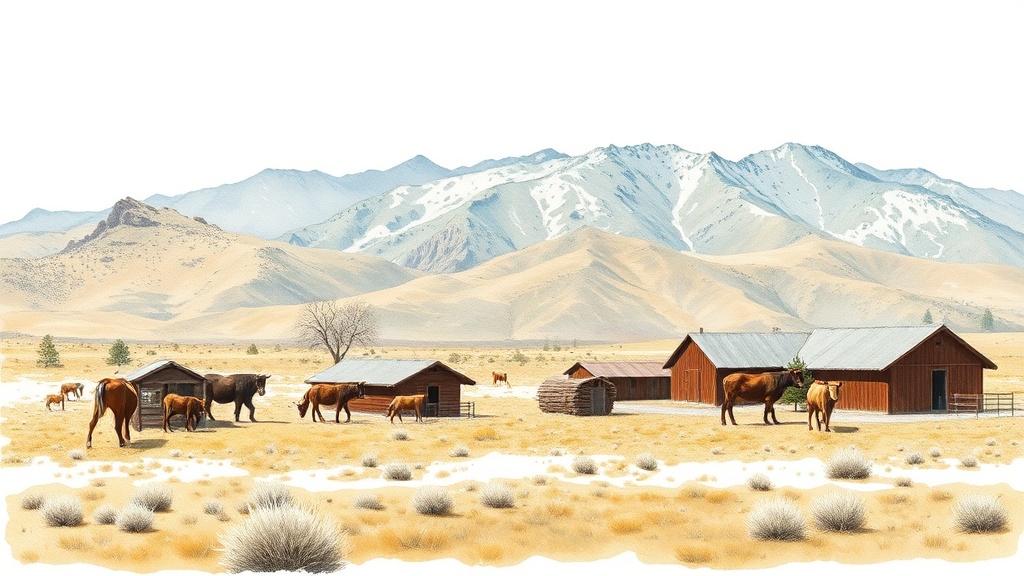
For buyers, that combination of functional improvements and cultural knowledge delivers immediate operational value.
Types of ranches and purposes
– Working cattle ranches: Focus on beef production and land management. These ranches may include permanent herd genetics, range management plans, and grazing rotations tailored to local forage.
– Guest or dude ranches: Cater to tourism with lodging, guided trail rides, fly-fishing, and hospitality services. Successful guest ranches balance authentic ranch life with comfortable accommodations and curated experiences.
– Conservation ranches: Owned or managed with wildlife habitat and watershed health as priorities.
Conservation easements and partnerships with land trusts can protect working landscapes while offering tax and legacy planning benefits.
– Recreational/hunting ranches: Emphasize upland bird and big-game hunting opportunities, often paired with habitat improvements and game management strategies.
Income diversification strategies
Ranch revenue no longer relies solely on livestock. Many operators add value through:
– Agritourism and guest services
– Hay and forage sales
– Hunting and guiding leases
– Conservation payments and easements
– Renewable energy leases (solar or wind where appropriate)
Diversifying income helps buffer market swings and supports long-term stewardship investments.
Key considerations for buyers
– Water rights and access: Water is often the most valuable on-ranch asset. Verify surface and groundwater rights, ditch agreements, and seasonal flows.
– Grazing permits and public land access: Many Wyoming operations depend on federal grazing allotments. Understand permit terms, renewal policies, and neighboring use.
– Infrastructure condition: Evaluate fences, corrals, roads, irrigation systems, and housing for renovation needs and costs.
– Conservation and regulatory overlays: Easements, habitat designations, and historic protections can affect development and use.
– Local expertise: Work with brokers, attorneys, and ranch managers familiar with regional practices, wildlife issues, and market dynamics.
Sustainability and modern management
Sustainable ranching practices—rotational grazing, riparian restoration, native grass reseeding—improve long-term productivity and wildlife habitat. Technology such as remote sensing, drones, herd-tracking collars, and precision feeders helps managers monitor herd health and range conditions more efficiently, reducing labor and improving decision-making.
Visitor tips for guest ranch experiences
For those visiting a dude ranch, expect a balance of activity and relaxation. Pack sturdy footwear, layered clothing for variable weather, and a spirit of adaptability.
Good guest ranches provide experienced wranglers, safety briefings, and options for different riding skill levels.
Owning or visiting a Wyoming ranch is as much about lifestyle as it is about production. The most successful properties blend practical land management, diversified revenue, and a commitment to the landscape that sustains them. If the draw of wide skies and working land appeals, thorough due diligence and connections with local experts will help turn that dream into a well-managed reality.