Montana’s rivers and lakes are synonymous with big skies and even bigger fishing opportunities. From freestone streams tucked into the mountains to long tailwaters below big dams, the state offers a diversity of species and waters that suit every style—wading anglers, float-fishermen, and lake trollers alike.
Where to go and what to catch
– Big rivers: The Missouri, Madison, Yellowstone, and Bighorn each have long runs of brown and rainbow trout and produce trophy fish on every drift. These waters respond well to nymphing early and dry-fly or streamer tactics when hatches are on.
– Smaller freestone and spring creeks: Streams like Rock Creek and spring-fed creeks near valley towns are classic dry-fly destinations where sight-fishing for selective browns and rainbows rewards presentation and stealth.
– Lakes and reservoirs: Flathead and Hebgen style fisheries target lake trout, kokanee, and resident trout with trolling, deep-water jigging, and shore fishing techniques.
– Tailwaters and technical waters: Tailwater floats require different approaches—fine-tuned nymph rigs, euro nymphing, and careful drift management—especially where flows are regulated and predictable.
Tactics and gear that work
– Rod selection: A 3–5 weight rod is ideal for small streams and delicate dry-fly work; 6–8 weight rods are versatile for larger rivers and streamer fishing; 8–9 weight is useful for big streamers, windy lakes, or larger boat-based presentations.
– Lines: Float lines for dries and most nymphing, and sink-tip or full-sinking lines when swinging streamers or getting down to deep-holding fish in lakes or tailwaters.
– Nymphing techniques: Indicator nymph rigs and euro nymphing both succeed on Montana waters. Match depth carefully—use split shot or heavier nymphs when fish sit low.
– Dry-fly and dry-dropper: When hatches occur, stay light and accurate on presentation. Dry-dropper rigs combine visibility with subsurface attraction and are a go-to for opportunistic fish.
– Streamer game: Bigger patterns—Woolly Buggers, Zonkers, articulated streamers—are effective after runoff and during cooler, higher-water windows.
Fly patterns to consider
Carry a selection of parachute Adams and elk-hair caddis for dries, pheasant tail and hare’s ear for nymphs, and Woolly Buggers, Zonkers, and bunny-strip streamers for aggressive fish. Stonefly and mayfly imitations in various sizes cover most hatch situations.
Regulations, access, and stewardship
Always carry a valid fishing license and check current regulations before you go—special rules often apply to particular fisheries, native trout protections, and seasonal closures. Respect private property; use marked public access points and ask permission where required.
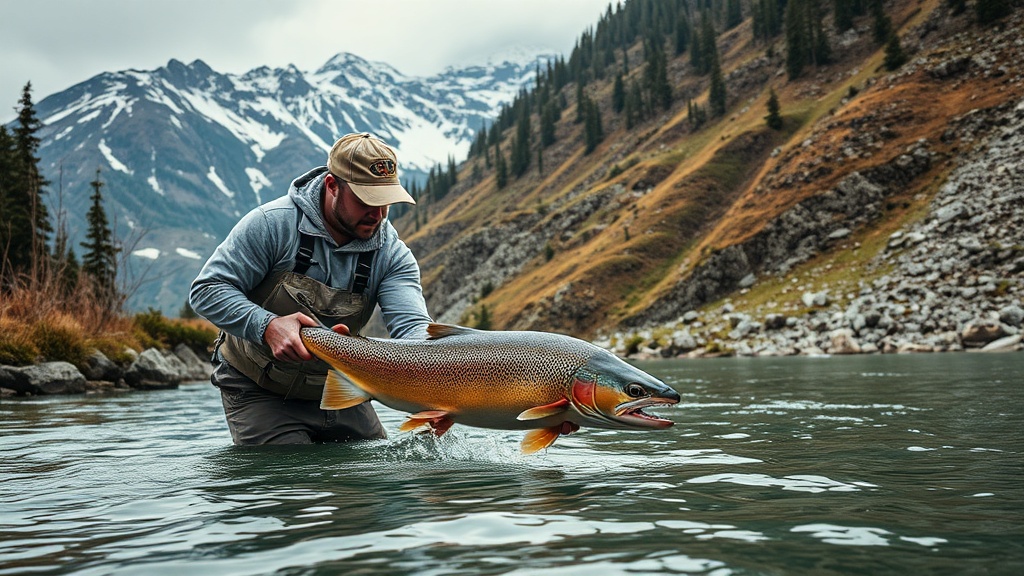
Practice gentle handling: use barbless hooks or pinch barbs, wet your hands, use rubberized nets, and keep fish in the water whenever possible for quick release.
Invasive species prevention
Follow clean-drain-dry protocols for boats, waders, and gear to help prevent the spread of aquatic invasive species. Inspect and remove mud, plants, and organisms before moving between waters.
Safety and etiquette
Montana weather changes quickly—layer clothing, carry a rain shell, and keep hypothermia in mind when wading. Watch river currents; use a wading staff and don’t wade alone in unfamiliar, fast water.
Share the river respectfully: anglers fishing downstream often have priority, and quiet, controlled approaches make for better fishing and happier neighbors.
Whether you’re chasing a big brown on a legendary river or enjoying a peaceful morning on a spring creek, preparation and respect for the resource make the experience richer.
Check local guides or fly shops for current conditions and hatch reports before heading out, and prioritize stewardship so Montana’s fisheries remain wild and productive for anglers to come.