Exploring the Rocky Mountains: Trails, Wildlife, and How to Visit Responsibly
The Rocky Mountains stretch across vast landscapes of jagged peaks, alpine meadows, and deep river valleys, offering some of the most iconic outdoor experiences on the continent. Whether you’re planning a day hike, a multi-day backpacking trip, or a wildlife photography outing, a few practical strategies will help you enjoy the Rockies safely while protecting the ecosystems that make them special.
Know the terrain and the elevation
Elevation changes fast in the Rockies. Trailheads often start in forested foothills and climb into alpine tundra where weather, oxygen levels, and trail difficulty shift quickly. Prioritize acclimatization: spend the first day moving slowly, hydrate regularly, and watch for signs of altitude sickness such as headache, nausea, or dizziness. Lightweight layers, a warm jacket, and sun protection are essential—storms can arrive with little warning and UV exposure increases with altitude.
Respect wildlife and observe from a distance
The Rockies are home to large mammals—elk, mule deer, bighorn sheep, mountain goats—and predators including coyotes, cougars, and bears. Viewing wildlife is a highlight, but maintaining distance is critical for safety and animal welfare. Keep food secured and follow local regulations about food storage; in bear country, use bear-resistant containers and carry bear spray when recommended. Never feed wildlife or attempt to photograph animals at close range.
Plan around seasonal hazards
Snow, avalanches, and unstable spring runoff affect many trails. Winter and shoulder-season travel may require specialized gear such as microspikes, snowshoes, or an avalanche beacon, shovel, and probe. Fire season can bring trail closures and air quality concerns—check local land management websites for current conditions before heading out.
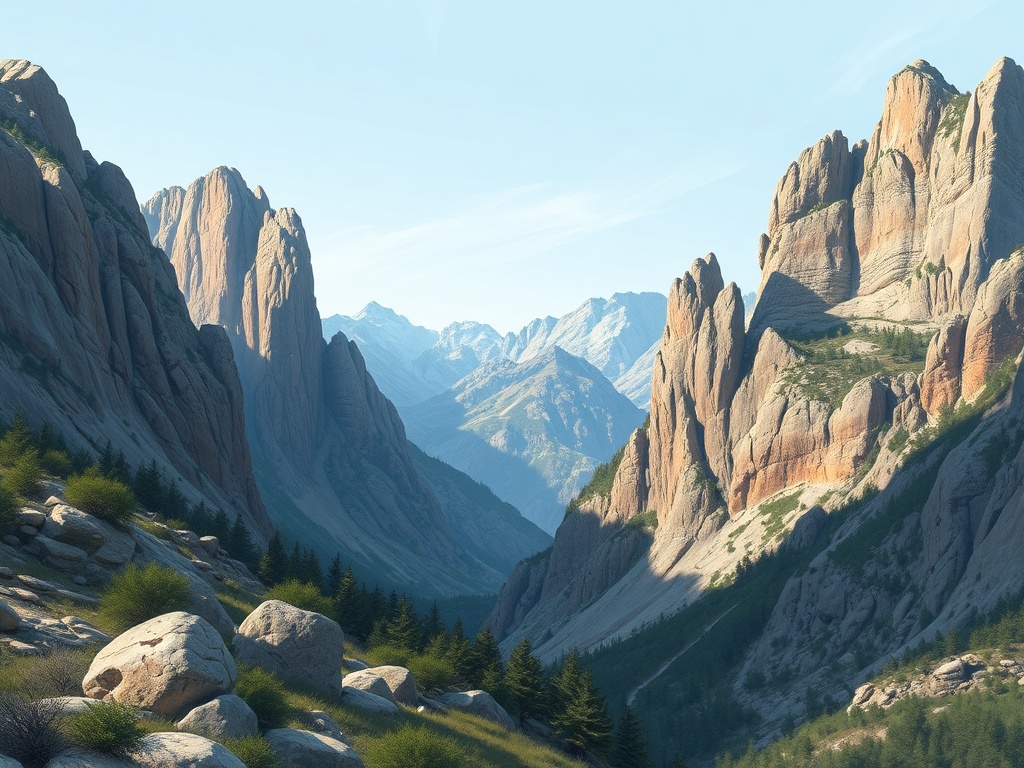
Storms can make high-elevation routes hazardous even in summer; check weather forecasts and have an alternate plan.
Leave No Trace and trail etiquette
The Rocky Mountain environment is fragile. Follow Leave No Trace principles: stay on designated trails, pack out all trash, and avoid trampling alpine vegetation.
Camp in established sites where required, and use stoves instead of open fires when restrictions are in place. Yield to uphill hikers and be courteous to mountain bikers and horseback riders—good trail etiquette reduces conflicts and preserves the area for everyone.
Gear and navigation
A basic daypack should include water, snacks, a map and compass or GPS, headlamp, first-aid kit, rain shell, and extra warm layer. For longer trips, add a lightweight shelter, water-treatment method, and bear-resistant food storage. Navigation skills are invaluable; mobile coverage is unreliable in many mountain areas, so download offline maps or carry physical maps and know how to use them.
Support conservation and local communities
Many mountain communities depend on responsible recreation.
Follow local regulations, pay trail or park fees, and support conservation organizations working to protect wildlife corridors, restore burned landscapes, and maintain trails. Volunteer trail maintenance events and responsible tourism help ensure the Rockies remain healthy and accessible.
Whether you’re seeking solitude in a high alpine basin or a scenic drive along mountain passes, preparation and respect for the landscape will enhance the experience. The Rocky Mountains reward visitors who come well-informed, well-equipped, and committed to leaving the places they visit as pristine as they found them.