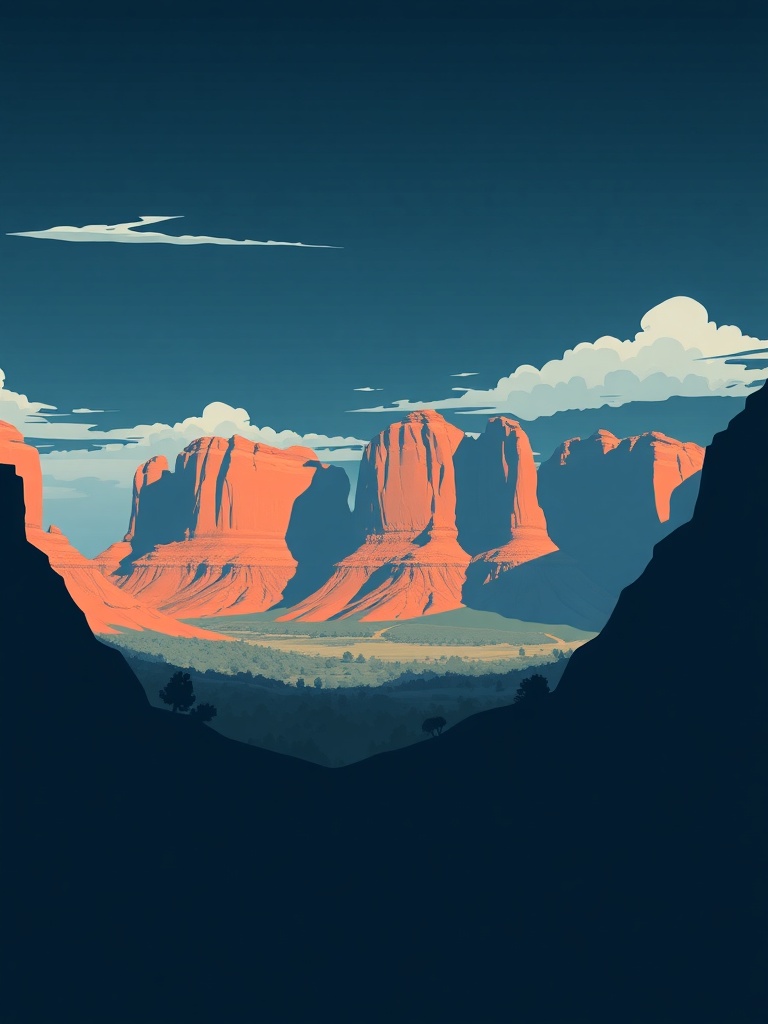
Moab draws visitors for its otherworldly sandstone formations, endless outdoor options, and proximity to two major parks tucked into canyon country. Whether you plan to explore the iconic arches near town or venture farther for backcountry solitude, a little planning makes the experience safer and more rewarding.
Must-see highlights
– Delicate Arch viewpoint and hike: The trail to the arch is one of the area’s most photographed treks. The final approach crosses slickrock with minimal shade, so allow time for steady pacing and return light — sunrise and sunset offer dramatic color for photos.
– Devil’s Garden and Landscape Arch: A longer loop that visits multiple arches, fins, and spires. Some sections are exposed and require careful footing; consider turning back at your comfort level.
– Windows Section and Double Arch: Short walks, great for families and photographers who want big views without a strenuous climb.
– Nearby Canyonlands and Dead Horse Point State Park: Both are a short drive and offer sweeping overlooks, technical canyons, and quieter trails for those seeking fewer crowds.
Timing and reservations
Parks around Moab see heavy visitation during peak seasons.
Check the official park websites before travel to see whether timed-entry reservations, permits, or shuttle requirements are in effect.
Visiting early in the morning or later in the day helps avoid peak foot traffic and heat on exposed trails.
Safety and gear essentials
– Water: Carry significantly more water than you think you’ll need.
Heat and sun exposure can dehydrate quickly.
– Footwear: Sturdy hiking shoes with good traction are essential for slickrock and uneven terrain.
– Navigation: Trail signage can be minimal; bring a map, download an offline map, or use a GPS app with cached routes.
– Sun protection: Wide-brim hat, sunglasses, and high-SPF sunscreen reduce risk of sunburn on open rock.
– Weather awareness: Storms can develop quickly and flash flooding or lightning are hazards in canyon country. Turn back if conditions change.
Leave no trace and park etiquette
Preserving delicate desert ecosystems is crucial.
Stay on established trails, avoid climbing on fragile arches and fins, pack out all trash, and respect wildlife. Some formations are culturally sensitive or closed seasonally for nesting — pay attention to posted closures and ranger guidance.
Accessibility and family planning
Several viewpoints and short loops offer relatively accessible experiences for visitors with limited mobility. For families, select shorter trails and keep young children close near edges and slickrock. Rest frequently and keep hydration and snacks on hand.
Photography tips
Golden hours around sunrise and sunset amplify the red and orange hues of the sandstone.
For night-sky photography, find a location away from town lights; Moab’s dark-sky conditions can deliver remarkable star fields and Milky Way shots.
Bring a tripod and spare batteries, and be mindful of other visitors when using lights.
Beyond the parks
Moab is also a hub for mountain biking, off-road driving, rock climbing, and river trips.
Many recreational areas are managed by public lands agencies with their own permit and use rules — research trail difficulty and vehicle requirements before setting out and respect private property and gated access roads.
Plan ahead, tread lightly, and let the landscape speak for itself. The region’s combination of dramatic geology, endless outdoor activities, and clear desert skies rewards those who arrive prepared and respectful of the fragile environment.