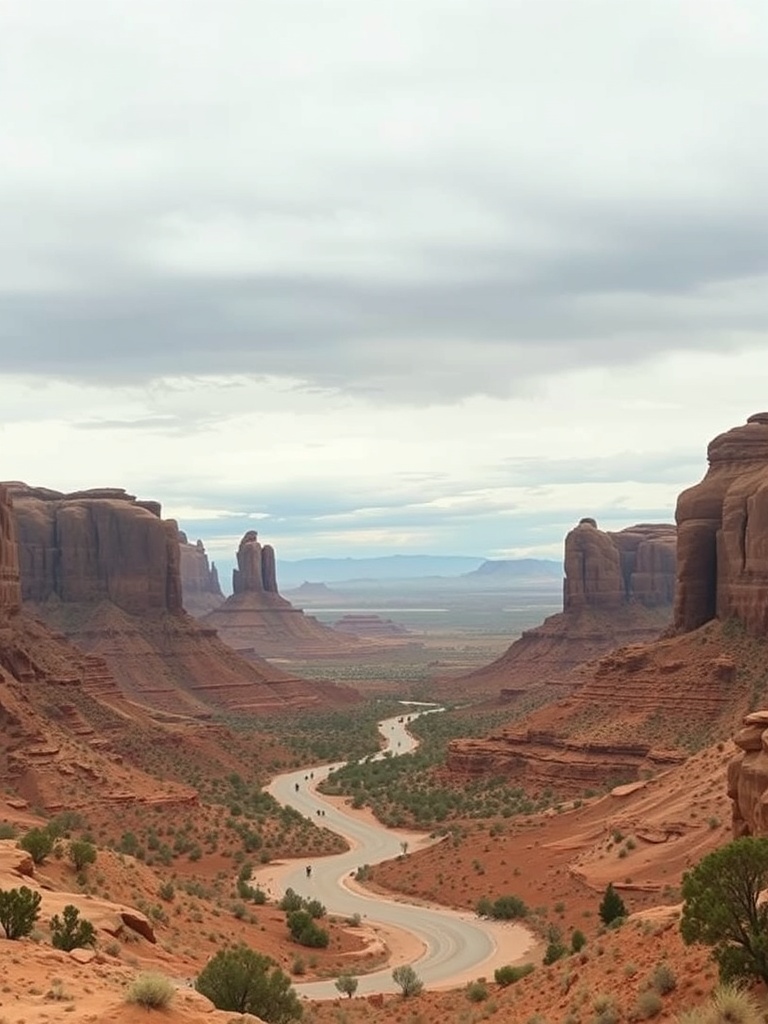
Moab’s parks attract outdoor enthusiasts for good reason: towering redrock fins, sweeping canyon vistas, slickrock riding, and some of the clearest night skies in the country. Whether you’re planning a short visit or a multi-day adventure, a few practical tips and local insights will help you make the most of the area while protecting its fragile landscape.
What to see and do
– Arches highlights: The must-see is the iconic freestanding arch along a relatively short hike. Other rewarding routes include a mix of easy viewpoint loops and more exposed trails that wind among sandstone fins and natural bridges. Timed-entry permits may be required during peak visitation periods, so check ahead.
– Canyonlands viewpoints: Dramatic overlooks provide a sense of the Colorado and Green rivers carving the plateau below. For a closer experience, consider short hikes from the Island in the Sky mesa or a backcountry outing for solitude.
– Mountain biking: The Slickrock Trail is legendary for experienced riders; numerous other trails offer a range of technical challenges and scenic variety. Stay on designated routes to protect cryptobiotic soils and avoid fines.
– Off-roading and four-wheel driving: Many scenic backroads are managed by the Bureau of Land Management.
Only travel routes that are clearly designated for motorized use, and make sure your vehicle is equipped for rugged terrain.
– River trips and canyoneering: Permits are required for many river trips and some technical canyons. Hire a licensed outfitter if you’re not experienced in river logistics or rope work.
Practical safety and planning
– Water and heat: Desert environments dehydrate quickly. Carry more water than you think you’ll need, wear sun protection, and plan activities for cooler parts of the day when possible.
Shade is limited.
– Navigation and cell service: Cell reception is unreliable in many backcountry areas. Bring paper maps or an offline GPS app and tell someone your plans.
– Vehicle preparedness: Many routes require high-clearance or four-wheel-drive vehicles. Carry recovery gear and basic repair tools; know your limits and those of your vehicle.
– Crowds: Popular viewpoints and trailheads can fill early.
For quieter experiences, aim for shoulder-season visits or start hikes at dawn. Timed-entry systems or parking limitations may be in place at busy sites.
Leave No Trace and conservation
Moab’s soils, plants, and wildlife are fragile. Foot traffic and off-road travel can cause damage that takes decades to heal. Follow Leave No Trace principles: camp only in designated areas, pack out all trash, avoid stepping on cryptobiotic soil crusts, and keep dogs and bikes where allowed. Supporting local conservation organizations or paying required fees directly helps fund trail maintenance and habitat protection.
Night skies and photography
Low light pollution makes the area excellent for stargazing and night photography. Popular spots draw photographers at sunrise and sunset; be mindful of other visitors and avoid blocking viewpoints. For long exposures, bring a sturdy tripod and extra batteries.
Where to get current information
Before you go, check official park and land-management websites or visitor centers for the latest information on permits, road conditions, trail closures, and safety notices. Local outfitters and guide services can provide up-to-date guidance for technical activities and multi-day trips.
Moab’s parks offer an unforgettable mix of adventure and scenery when explored responsibly. With thoughtful planning, basic safety gear, and respect for the landscape, you’ll enjoy spectacular hikes, rides, and viewpoints while helping preserve this remarkable place for others.