Visiting Utah’s outdoors is a near-mythic experience: red-rock canyons, alpine ski runs, and salt-lake sunsets draw millions who want fresh air and wide-open space. As visitation and development grow, a central challenge has emerged—how to enjoy Utah’s landscapes while protecting the water systems and wildlife that make them special.
Why water matters in Utah’s landscapes
Water shapes everything here. Snowpack feeds rivers and reservoirs, irrigates farmland, sustains wetlands, and supports migratory birds and brine shrimp in the large inland lake near Salt Lake City.
When water levels drop, exposed lakebed can create dust hazards, wetlands shrink, and local industries—from fishing and brine harvesting to tourism—feel the impact. The intersection of outdoor recreation, urban growth, and a changing climate puts water at the center of land management and travel planning.
How recreation and business are adapting
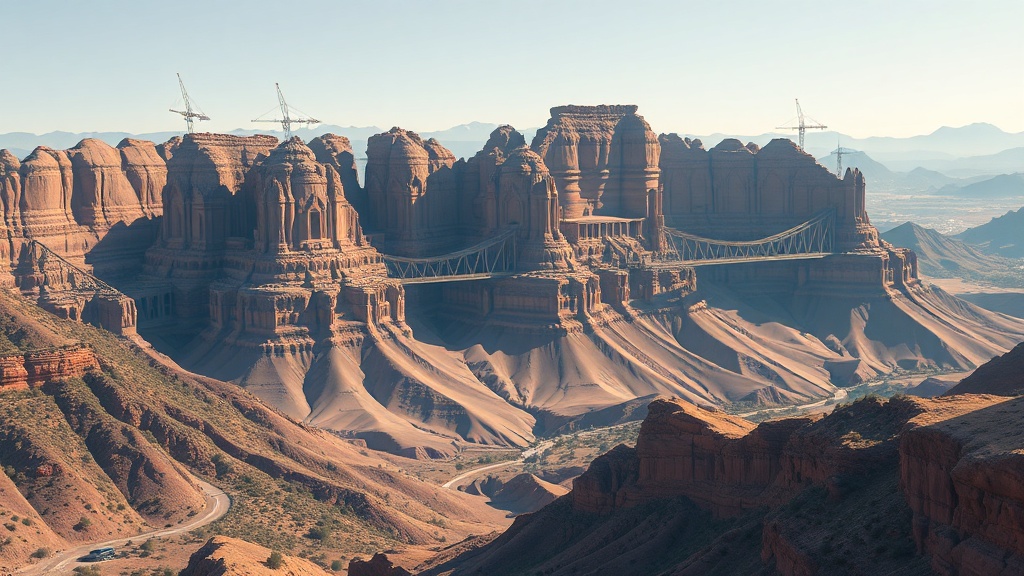
Outdoor businesses and public land managers are shifting to more sustainable practices. Ski areas are investing in snowmaking efficiency and water recycling. Trail systems are being rerouted or hardened to reduce erosion and protect fragile riparian zones.
Tourism organizations promote shoulder-season visits to spread impact and support local economies year-round.
Tech and outdoor companies based in the region are partnering with conservation groups to fund habitat restoration and water-saving pilot projects.
Practical tips for visitors
– Check conditions before you go: water access, trail closures, and local advisories change quickly.
– Use proven water-saving habits: carry a refillable water bottle, avoid single-use plastics, and conserve water at campsites and rentals.
– Stay on designated trails and respect closures around restored wetlands and shorelines. Off-trail travel can damage vegetation and destabilize soils that help retain water.
– Choose lower-impact transportation: carpool to trailheads, use public transit in urban areas, and consider e-bike rentals for scenic corridors.
– Support local guides and outfitters who follow Leave No Trace and invest in conservation.
Opportunities to support long-term resilience
Community-driven conservation has momentum.
Habitat restoration projects, shoreline revegetation, and water-rights improvements led by state and nonprofit organizations aim to stabilize wetland habitat and reduce dust emissions. Travelers can contribute by donating to regional conservation funds, volunteering with vetted restoration groups, or patronizing businesses that commit a portion of revenues to environmental work.
Beyond personal responsibility, policy choices matter. Water-smart urban planning, agricultural efficiency improvements, and incentives for low-water landscaping help cities grow while reducing pressure on natural systems. Public engagement—attending community meetings, reading local planning documents, and voting on water and land-use initiatives—makes a measurable difference.
Making your trip meaningful
Utah’s landscapes reward curiosity and respect.
Plan with an eye toward sustainability, learn about the natural and cultural history of the places you visit, and leave your footprint lighter than your memories. Doing so helps ensure that spectacular sunsets, healthy wetlands, and snowy peaks remain part of the experience for future visitors and the communities that steward these places.