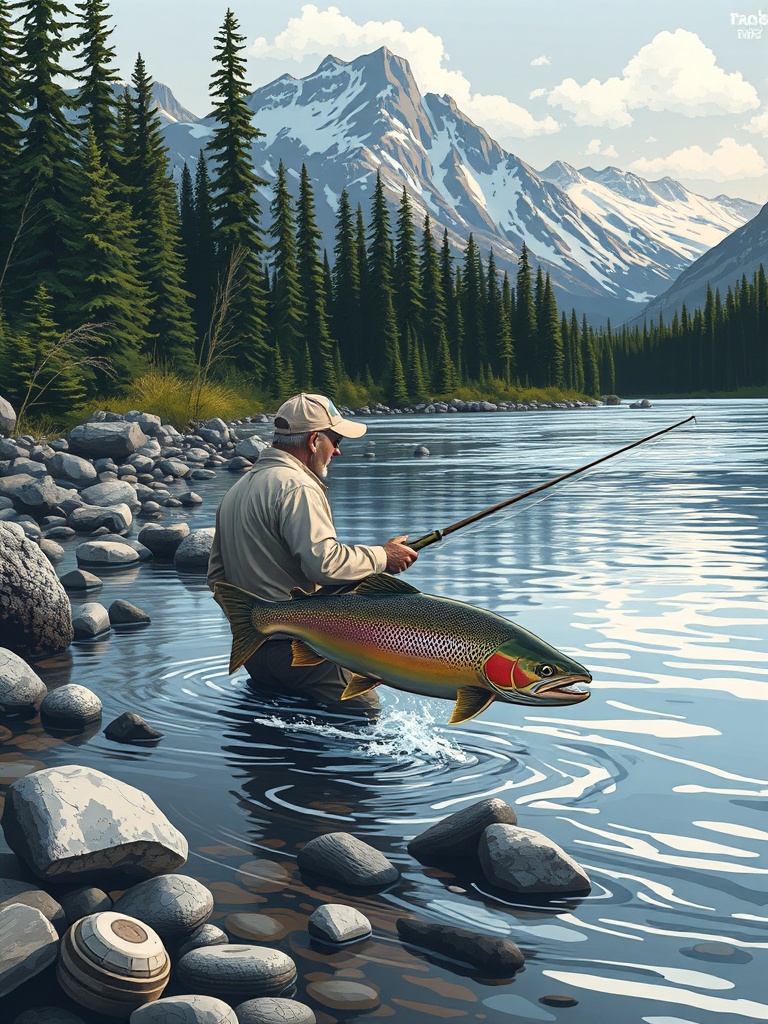
Montana fishing draws anglers for good reason: vast public waters, legendary rivers, and healthy trout populations make it a premier destination for anyone who loves freshwater fishing. Whether you’re targeting hungry rainbows on a freestone stream or hunting trophy browns from a drift boat, a little preparation and local knowledge goes a long way.
Where to go
– Big rivers: The Madison, Yellowstone, and Missouri rivers are known for long runs of trout and dependable hatches. These systems offer both technical nymphing opportunities and bigger water ideal for streamer work.
– Tailwaters and spring creeks: Tailwaters below major dams and spring creeks often provide steady flows and consistent water temperatures, making them reliable spots for hatch-dependent fishing.
– Mountain streams and alpine lakes: Smaller freestone creeks and high-elevation lakes are classic places to find native cutthroat and brook trout in scenic, less-pressured settings.
– Big-water lakes: Flathead Lake and other large reservoirs host species such as kokanee, lake trout, and bass, offering variety beyond trout-centric days.
Target species and tactics
Trout dominate most conversations here: rainbow, brown, brook, and native cutthroat each demand different approaches.
Nymphing with bead-heads, Euro rigs, or indicator setups excels in many rivers; popular nymph choices imitate mayflies, midges, and stoneflies.
Dry-fly action lights up during caddis and mayfly hatches—classic patterns like emergers and small parachute dries are often effective.
For aggressive fish or stained water, streamers and large woolly buggers provoke strikes from larger browns and rainbows.
Lakes reward trolling with downriggers or casting weighted spoons and spinners for kokanee and lake trout. Shore anglers and boaters alike will find success with light tackle and small soft plastics for bass in warmer water.
Gear and technique
Match the rod weight to water type: 3–5 weights for small streams, 6–8 weights for larger rivers and windy conditions. A good nymph box, selection of dry flies, and a handful of streamers cover most scenarios. Waders should be comfortable and fit properly; a wading staff and felt- or rubber-soled boots (check local regulations about sole type) improve safety on slick rocks.
Conservation and regulations
Responsible angling keeps fisheries healthy. Use barbless hooks or pinch barbs, wet hands before handling fish, minimize air exposure, and revive fish in current until they swim away strongly.
Be mindful of seasonal closures, special regulations for native cutthroat waters, and size or bag limits that protect vulnerable populations. Always carry the appropriate fishing license and any required stamps or tags—verify current rules with the state fish and wildlife agency before you go.
Invasive species and biosecurity
Aquatic invasive species are a major concern.
Always clean, drain, and dry boats, gear, and waders between waters to prevent spread of mussels and plant material. Many access points have decontamination stations—use them when available.
Safety and etiquette
Weather can change quickly—dress in layers, carry rain protection, and bring a float plan.
When fishing crowded stretches, practice river etiquette: yield upstream access to those wading downstream, and give space to bank anglers. Consider hiring a local guide if you’re unfamiliar with the water; guides provide access, current intel, and often faster learning.
Montana fishing is as much about the experience as it is the catch—clear water, dramatic scenery, and the pursuit of wild trout create memorable days on the water.
Plan thoughtfully, respect the resource, and you’ll increase your chances of a successful and sustainable outing.