Colorado’s high country rewards visitors with dramatic vistas, wildflower meadows, and some of the country’s best hiking and skiing. The same high elevation that creates those sweeping views also creates unique challenges. Whether planning a day hike from Denver or an overnight backpacking trip into the Rockies, follow these practical tips to stay safe, feel better, and get more out of the experience.
Understand altitude and how it affects the body
– Symptoms: Headache, nausea, fatigue, shortness of breath, and trouble sleeping are common signs of altitude exposure. These can appear within hours of arrival at higher elevations.
– Acclimatization: Gain elevation gradually when possible.
Spend a night at an intermediate altitude before heading higher, and plan slower-paced activities on the first full day.
– Hydration and nutrition: Drink water regularly (more than usual) and eat carbohydrates to support energy levels. Limit alcohol and heavy meals early in the visit, as they can worsen symptoms.
– Know when to descend: If symptoms worsen—severe headache, persistent vomiting, disorientation, or difficulty walking—descend to lower elevation and seek medical attention.
Plan smart for weather and terrain
– Layering is essential: Mountain weather can change rapidly. Start with a moisture-wicking base layer, add an insulating midlayer, and carry a windproof/waterproof outer layer.
– Sun protection: High elevation increases UV exposure. Use broad-spectrum sunscreen, wear UV-blocking sunglasses, and use a wide-brim hat.
– Trail surfaces: Expect rocky, uneven terrain and occasional snowfields even during warmer months.
Trekking poles and sturdy footwear improve stability and reduce strain.
Pack essentials for safety and comfort
– Navigation: Carry a map, compass, and/or offline GPS app. Cell service can be unreliable in remote areas.
– Emergency kit: Include a headlamp, whistle, basic first-aid supplies, fire starter, and a space blanket or emergency bivy.
– Water treatment: Bring enough water plus a reliable treatment method (filter, chemical tablets, or UV purifier) for extended trips.
– Leave No Trace: Pack out all trash, stay on durable trails, and respect wildlife by observing from a distance.
Respect seasonal hazards
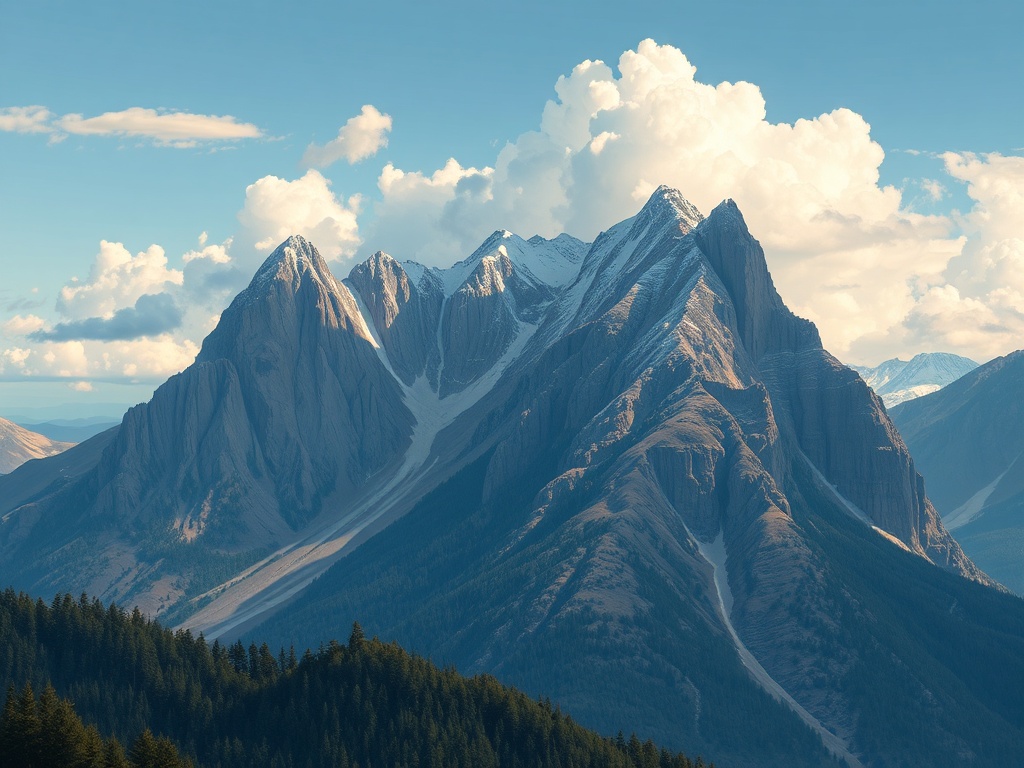
– Spring and early summer can bring lingering snow and slick trail crossings; consider microspikes or lightweight crampons for traction.
– Late-season thunderstorms are common in afternoons; start hikes early and aim to be off exposed ridgelines by midday.
– Winter backcountry travel requires avalanche education, proper equipment (beacon, shovel, probe), and local avalanche forecasts. Join a guided course or consult experienced partners before venturing into unmanaged terrain.
Local resources and permits
– Check trail conditions and alerts from state parks, national forests, or national park services before heading out. Many popular trailheads require reservations or fees.
– Ranger stations and local outdoor shops are excellent sources of current conditions, equipment rentals, and guided trip options.
Enjoying Colorado’s mountains is more rewarding when safety and preparation come first. With gradual acclimatization, sensible gear choices, and respect for changing conditions, visitors can maximize comfort and minimize risks—leaving more energy to savor the scenery.