Whether you’re drawn by geysers, photography, or quiet wilderness, experiencing Yellowstone with respect and preparation makes the visit safer and more rewarding.
Geothermal wonders to prioritize
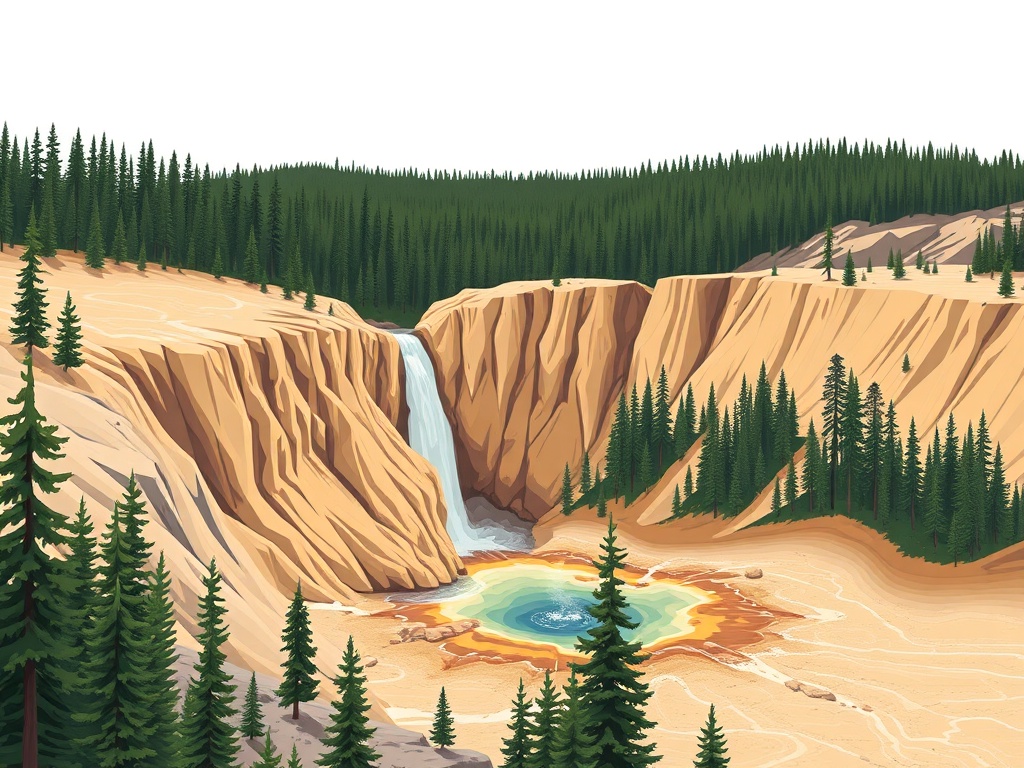
Yellowstone’s hydrothermal system creates a palette of features you won’t find anywhere else. Old Faithful’s reliable eruption is a classic draw, while Grand Prismatic Spring offers vivid color and expansive views best seen from a short overlook.
Norris Geyser Basin and Mammoth Hot Springs showcase contrasting thermal processes—acidic vents and sculpted travertine terraces. Remember that thermal features are fragile and extremely hot; boardwalks and marked trails protect both visitors and the landscape.
Wildlife viewing with safety and respect
Hayden and Lamar valleys are prime zones for bison, elk, bighorn sheep, and predators. Wildlife encounters are not photo ops at close range: stay at least 100 yards from bears and wolves and 25 yards from other animals. Use binoculars or a telephoto lens to observe behavior without disturbing it. Bison are often near roads and can become aggressive; give them plenty of space and never attempt to touch or feed wildlife.
Backcountry and fire ecology
Fire is a natural and essential process in Yellowstone’s forests and grasslands. Management practices combine natural and prescribed fire to maintain ecological balance. If you plan to backpack, secure required backcountry permits and follow food-storage rules—bear-resistant canisters are required in many zones and are critical for safety. Familiarize yourself with trail conditions and emergency procedures before heading out.
Practical tips for a smooth visit
– Timing: Popular thermal basins and viewing areas can be crowded during peak visitation windows; early morning and late afternoon typically provide quieter experiences and better light for photos.
– Weather and altitude: Weather can shift quickly; layer clothing and bring rain protection. Much of the park sits at high elevation, so pace yourself, hydrate, and recognize signs of altitude-related discomfort.
– Roads and parking: Roads can be congested near major features—drive courteously, follow posted speed limits, and avoid stopping in narrow shoulders.
– Pets: Pets are limited to developed areas and must remain leashed; they’re not allowed on trails or in the backcountry.
– Leave No Trace: Pack out trash, minimize noise, and avoid interfering with natural processes.
Even small actions help preserve the park for all visitors.
Photography and observation etiquette
Aim for telephoto lenses for wildlife and wide-angle lenses for sweeping geothermal vistas. Respect animal behavior—if an animal changes course, looks agitated, or seeks cover, you are too close. Use natural light to capture color in thermal pools and aim for low sun angles for richer tones.
Sustainable travel considerations
Choose reusable water bottles, reduce single-use plastics, and consider lodging and travel choices that minimize your carbon footprint. Ranger-led programs and visitor centers offer interpretive talks that deepen understanding of Yellowstone’s geology and ecosystems—participating supports stewardship and enhances your experience.
Yellowstone challenges visitors to balance curiosity with care.
Observing safety guidelines, respecting wildlife, and treading lightly on thermal areas ensures the park’s wonders remain vivid and intact for those who follow.