Geothermal highlights to see
Yellowstone contains the largest concentration of geothermal features in the world. Iconic sites include predictable geysers, vivid hot springs, steaming fumaroles, and colorful microbial mats. Popular stops are the spectacle of regularly erupting geysers, the rainbow-hued hot springs formed by heat-loving microbes, and massive hydrothermal basins that display constantly changing patterns of mineral deposition. Many geothermal areas are accessible by well-maintained boardwalks and viewing platforms that allow close observation without disturbing fragile ground.
Safety around thermal features
Hydrothermal areas are visually stunning but extremely dangerous. The ground can be thin and deceptively unstable; scalding water may be just beneath a crust that looks solid. Always stay on designated trails and boardwalks, obey posted signs, and supervise children and pets closely—pets are not allowed on most park trails and boardwalks.
Avoid throwing objects into springs or geysers; even small disturbances can alter delicate microbial communities and reduce geyser activity permanently.
Wildlife etiquette and distances
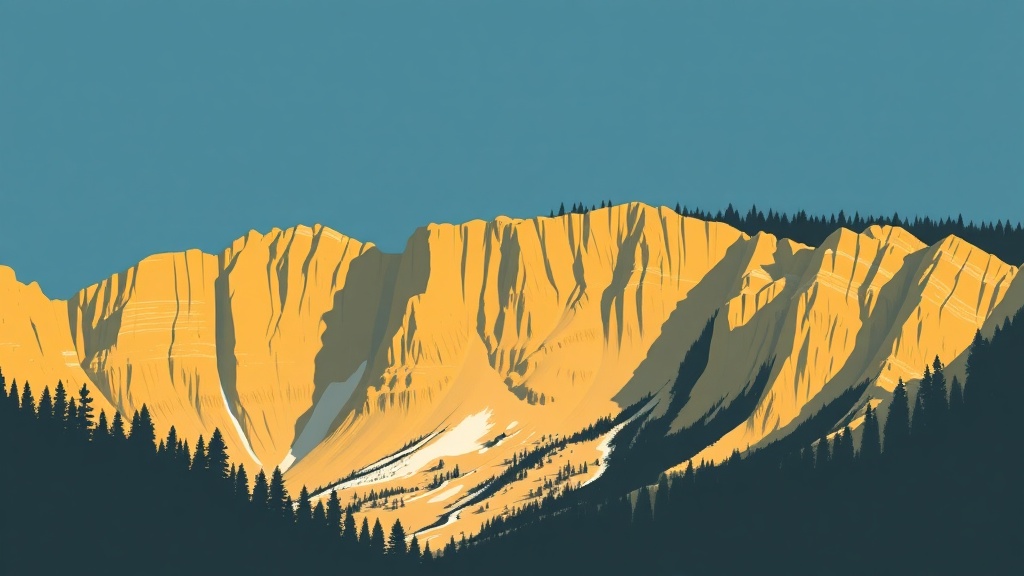
Yellowstone’s wildlife is a major draw, from roaming bison and elk to bears and wolves. Observing animals from a respectful distance keeps both people and wildlife safe. Maintain ample space—at least 25 yards for most animals and 100 yards for bears and wolves—use binoculars or a telephoto lens for close-up viewing, and never approach, feed, or try to move between a mother and her young. Bison can run faster than people and may become aggressive if provoked.
When wildlife causes roadway slowdowns, remain patient: viewing from your vehicle is often the safest option.
Practical travel tips
Plan for variable weather; high-elevation conditions can change rapidly, so layer clothing and carry rain gear. Peak visitation is concentrated in warm months, making early morning or late afternoon visits ideal for smaller crowds and active wildlife.
Reserve lodging and campground spots through official channels well in advance, and be prepared for limited services in some park areas. Many of the most scenic drives and trailheads can be busy, so consider less-traveled backcountry routes if you have the experience and a permit where required.
Conservation-minded visiting
Yellowstone is a living laboratory where geology, biology, and human stewardship intersect.
Practice Leave No Trace principles: pack out all trash, use established restroom facilities, and respect temporary closures designed to protect wildlife or fragile terrain.
Support ongoing conservation by following regulations and considering donations or volunteer time with official park partners.
A living landscape to protect
Yellowstone’s combination of dramatic geothermal activity and abundant wildlife offers a rare opportunity to witness Earth processes and ecosystems in action. Responsible visitation—rooted in safety, respect, and curiosity—ensures these wonders remain vibrant for the next generation of visitors and for the species that call this landscape home.