Geothermal features: fragile, spectacular, dangerous
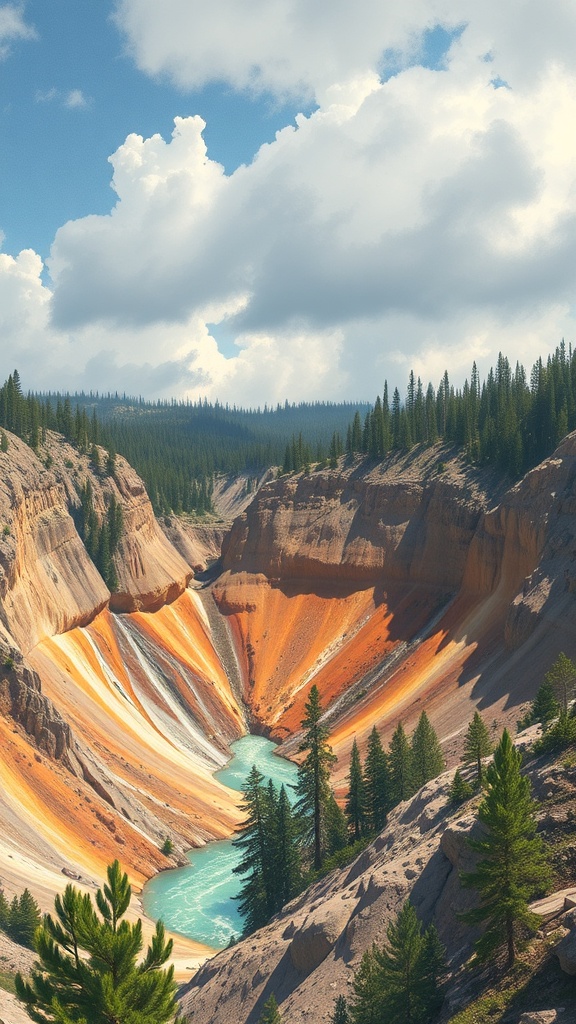
Yellowstone sits atop a vast volcanic system, which fuels thousands of hydrothermal features: geysers, hot springs, fumaroles, and mudpots. Colors come from heat-loving microbes that thrive in mineral-rich waters, creating the vivid blues, oranges, and greens seen in photographs. Popular stops include predictable geysers and scenic basins, but the same wonders that enchant visitors are extremely fragile and dangerously hot. Stay on boardwalks and designated trails—thin crust and scalding water have resulted in severe injuries and fatalities when ignored.
Never touch thermal water or enter pools; even shallow scalds can be life-threatening.
Wildlife viewing: distance and respect
Wildlife encounters are a highlight, but animals in Yellowstone are wild and unpredictable.
Maintain recommended distances: at least 100 yards from bears and wolves, and at least 25 yards from bison, elk, and other large animals. Bison can run faster than humans and are known to charge when startled, so give them plenty of space and always observe from a safe location. Use binoculars or a telephoto lens for photos rather than approaching animals for a better shot.
Safety essentials and backcountry basics
Cell coverage is limited across much of the park, so download maps and trail information before you go.
Weather can change quickly—pack layers, sun protection, and a reliable rain jacket. If you plan to hike beyond developed areas, carry bear spray, know how to use it, and store food properly using bear-resistant lockers or approved canisters where required. Obtain necessary backcountry permits and follow Leave No Trace principles: pack out trash, avoid creating new campsites, and minimize campfire impacts.
Timing and crowd management
Visitor numbers peak on popular routes and around major geyser basins.
To experience quieter conditions, aim for early morning or later in the afternoon for top attractions. Consider exploring lesser-known areas, scenic drives, or guided ranger programs to deepen your understanding of geothermal processes and wildlife behavior while avoiding the busiest spots.
Responsible photography and drone restrictions
Photography is a major draw, but remember to keep safety first.
Drones are prohibited across the park to protect wildlife, visitors, and the natural soundscape.
Use tripods and long lenses for stable wildlife shots, and be patient—animals and eruptions don’t operate on a schedule.
Support conservation during your visit
Yellowstone’s ecosystems depend on responsible visitation.
Follow park rules, heed closures, report hazards to rangers, and support local conservation organizations and education efforts. Small actions—staying on trails, properly storing food, and respecting wildlife—help preserve the park’s wonders for future visitors.
Yellowstone remains a place of raw geology and vibrant life.
With preparation, patience, and respect for rules and wildlife, visitors can enjoy remarkable sights while helping protect this unique landscape for generations to come.
Leave a Reply