Why Yellowstone stands out
The park sits atop a massive volcanic system that fuels a concentration of geothermal features found nowhere else.
Geysers, hot springs, mud pots and fumaroles paint the landscape with vivid colors and dramatic steam plumes. Wildlife is equally remarkable: large ungulates, predators, and a thriving avian community all rely on the mosaic of habitats within the park.
This mix of geology and biology creates powerful photo and learning opportunities at every turn.
Practical planning tips
– Arrive early or later in the day to avoid the heaviest crowds along major vantage points and boardwalk circuits. Popular sites fill fast; plan your primary stops around less-crowded windows.
– Expect rapidly changing weather in the backcountry and higher elevations.
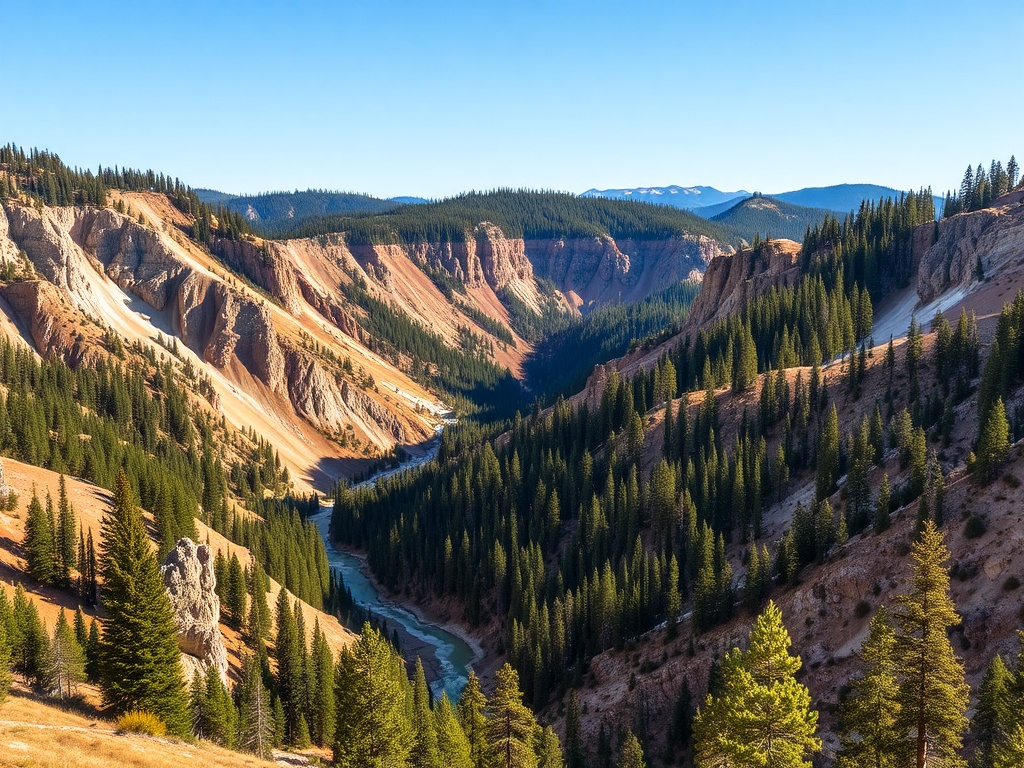
Pack layers, waterproof gear, and sturdy footwear even if the forecast looks calm.
– Reservations for lodging and popular services often fill quickly.
If you have a fixed schedule, secure accommodations and guided activities well ahead of your trip.
Respectful wildlife viewing
Seeing bison, elk, bears, or wolves is a highlight for many visitors, but animals are wild and unpredictable. Maintain safe distances at all times and never attempt to feed or approach wildlife. Bison can appear placid but are powerful and can charge without warning; avoid lingering on roads where “bison jams” form. Carry bear spray on trails in bear country and know how to use it.
If you encounter predators, stay calm, group together, and back away slowly.
Geothermal safety and etiquette
Boardwalks and designated trails protect both visitors and fragile thermal features.
These formations can be thin crusts over near-boiling water; straying off designated paths risks serious injury and damages a fragile ecosystem.
Photographing safely means respecting barriers and reading posted signs — the park’s interpretive materials explain the science behind the features and why protection matters.
Conservation challenges and how you can help
Yellowstone faces ongoing conservation issues, from invasive species that threaten native fish to the complexities of large carnivore management and balancing visitor access with habitat protection.
Support sustainable tourism practices: stay on trails, pack out trash, follow food-storage rules to prevent wildlife habituation, and consider contributing to park stewardship programs or approved research initiatives.
Getting deeper: educational opportunities
Ranger talks, guided walks, and interpretive centers offer accessible ways to learn about geothermal processes, ecology, and human history in the region.
Participating in ranger-led programs is a great way to gain context for what you’re seeing and to ask experts about current research and management priorities.
A mindful visit
Yellowstone rewards curiosity, patience, and respect. Plan carefully, prioritize safety around wildlife and thermal features, and take time to absorb the science and stories behind the park’s famous sights. That approach helps preserve Yellowstone’s wonders for everyone who comes after you while making your own experience richer and safer.