Yellowstone National Park is an unparalleled landscape of steaming geysers, colorful hot springs, sweeping valleys, and abundant wildlife. Whether you’re drawn by the iconic eruptions of Old Faithful, the otherworldly terraces of Mammoth Hot Springs, or the chance to spot bison and wolves in Lamar Valley, a little preparation goes a long way toward a safe, memorable visit.
Geothermal wonders and safety
Yellowstone sits atop a vast hydrothermal system that creates more than half the world’s geysers and thousands of hot springs and fumaroles.
These features are fragile and dangerously hot. Stick to boardwalks and designated trails at all times; stepping off a boardwalk can result in severe burns or fatal accidents because thin crust can break away over boiling water below.
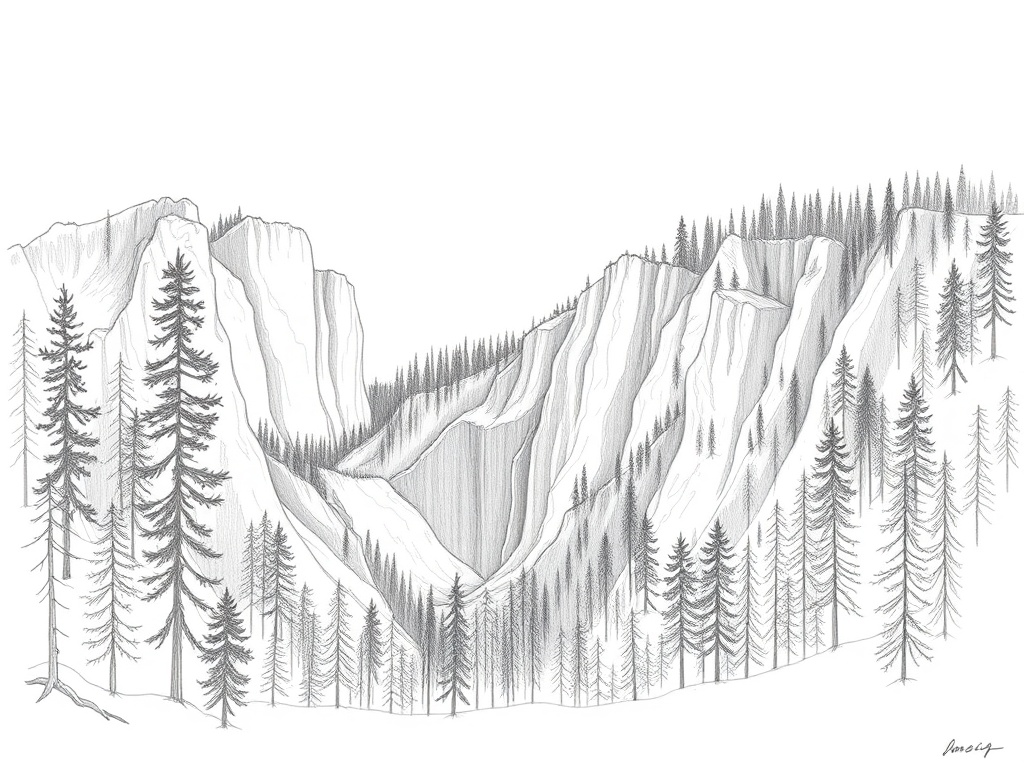
Photograph from safe distances, and teach children to stay close and supervised.
Wildlife viewing etiquette
Seeing bison, elk, bears, and wolves is a highlight, but wildlife are wild.
Park guidelines recommend keeping at least 25 yards away from most wildlife and at least 100 yards from bears and wolves.
Use binoculars or a telephoto lens for close-up photos. Never approach animals, feed them, or try to move between a mother and her young.
Slow down and pull off the road safely to view animals—never block traffic or stand on the roadway.
Must-see stops
– Old Faithful: One of the most predictable geysers, it erupts frequently with impressive plumes. Check predicted eruption times at visitor centers or park apps for the best viewing.
– Grand Prismatic Spring: The vivid colors are best seen from the overlook on the nearby boardwalk; drone use is restricted, so plan for ground-based photography.
– Mammoth Hot Springs: Terraced travertine formations make for dramatic walking and photo opportunities.
– Lamar Valley: Often called the American Serengeti, this valley is ideal for dawn and dusk wildlife viewing, especially for predators and large herds.
Practical travel tips
– Reservations and lodging: Popular campgrounds and lodges book quickly during peak seasons. Plan accommodations early and consider staying in gateway communities if park lodging is full.
– Weather and clothing: Conditions can change rapidly—layers, waterproof outerwear, and sturdy footwear are essential. Summer temps can be warm but mornings and evenings may be cool.
– Roads and timing: The Grand Loop Road connects many major sites, but congestion near thermal areas and popular viewpoints is common. Visit early or later in the day for quieter experiences and better light for photography.
– Fire and air quality: Regional wildfires can affect visibility and air quality. Check park alerts and local forecasts before and during your trip, and be prepared to modify plans if smoke becomes heavy.
Leave no trace and conservation
Yellowstone’s ecosystems face pressures from tourism, invasive species, and climate-related changes. Help protect the park by packing out trash, staying on designated paths, not feeding wildlife, and following all posted regulations. Support conservation organizations and local community initiatives that fund habitat restoration and responsible visitor education.
Seismic and volcanic context
Small earthquakes are common around Yellowstone due to the active geothermal and tectonic environment. These events are monitored closely by scientists, and typical seismic activity should not deter a visit.
If you’re curious about the park’s geology, visitor centers and ranger talks offer accessible explanations of the Yellowstone caldera and hydrothermal processes.
Experience the park thoughtfully
A visit to Yellowstone rewards patience, respect, and preparedness.
By following safety guidelines, leaving no trace, and making room for both wildlife and fellow visitors, you’ll enjoy some of the most remarkable natural phenomena on the continent while helping preserve them for future generations. Check official park resources before you go for the latest alerts and visitor information.