Geothermal wonders
Yellowstone sits atop a powerful geothermal system, producing thousands of hydrothermal features: geysers, hot springs, mud pots, and fumaroles. The Grand Prismatic Spring stuns with concentric bands of vivid color created by heat-loving microbes, while Old Faithful and its neighbors showcase predictable geyser eruptions that still draw crowds. These features are fragile and potentially deadly—thin crust and near-boiling water mean boardwalks and marked trails must be followed at all times.
Never touch thermal water, throw objects into vents, or step off designated paths.
Wildlife and where to see it
The park supports a rich array of wildlife, including bison, elk, moose, bears, wolves, coyotes, and countless bird species.
Wildlife viewing is often best at dawn and dusk. Hayden and Lamar Valleys are renowned for large mammals and predator sightings. Binoculars or a long telephoto lens are essential for safe observation and photos.
Keep a strict distance: stay at least 25 yards from most animals and at least 100 yards from bears and wolves. Use roadside pullouts rather than stopping in traffic lanes, and never approach, feed, or block animals.
Safety and etiquette
Safety in Yellowstone is shaped by its remote, wild character. Weather can change rapidly—dress in layers and prepare for cold, wind, rain, or sun on the same day. Carry water, maps, and a charged phone, but don’t rely on cellular coverage. Leave no trace: pack out trash, minimize campsite impacts, and follow regulations for fires and food storage.
For backcountry enthusiasts, permits and route planning are essential; use bear-resistant containers and know how to react to close wildlife encounters.
Planning practicalities
Road closures and seasonal conditions affect access; check official park sources for alerts and route information before traveling.
Lodging and campsites can fill quickly during peak visitation—book through official reservation systems when possible. Consider visiting during quieter shoulder periods or arriving early in the morning to avoid the busiest times.
Guided tours, ranger programs, and educational talks enhance understanding of geothermal science, tribal histories, and conservation efforts.
Conservation and responsibility
Yellowstone is a living laboratory for ecology and geology, and protecting it requires cooperation from every visitor. Avoid introducing foreign substances into hot springs or waterways, respect cultural sites, and support park fees and authorized conservation programs. Wildlife that appear tame are wild animals—feeding them is hazardous and illegal, and can permanently alter their behavior.
Capturing the moment
For memorable photography, aim for golden hours around sunrise and sunset. Use a telephoto lens for wildlife, a neutral-density filter for waterfall long exposures, and a tripod for low-light landscapes. Patience rewards those willing to wait for light and behavior, especially in valleys where animals move with the seasons.
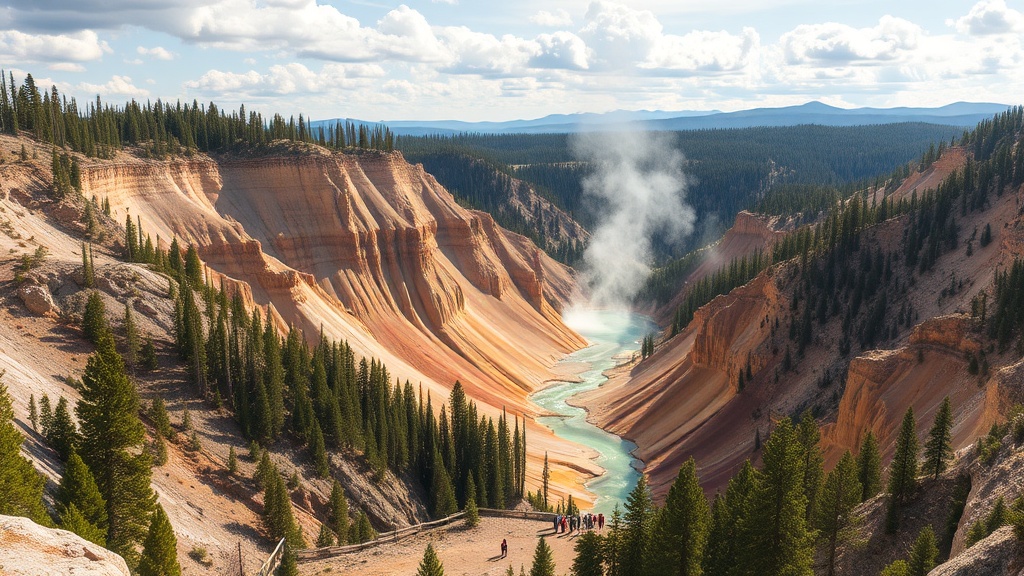
Whether drawn by the boiling blue of thermal pools, the drama of the canyon, or the rhythms of wild herds, Yellowstone offers a rare combination of natural science and spectacle. Respectful travel helps keep those wonders intact for future visits and generations.