Yellowstone National Park is a living classroom of geology and wildlife.
From towering geysers and iridescent hot springs to roaming bison and elusive predators, it’s a place where landscapes are actively changing and wildlife behaviors reward patience and respect. Whether you’re planning your first visit or returning for another season, understanding the park’s highlights and safety basics makes the experience richer and safer.
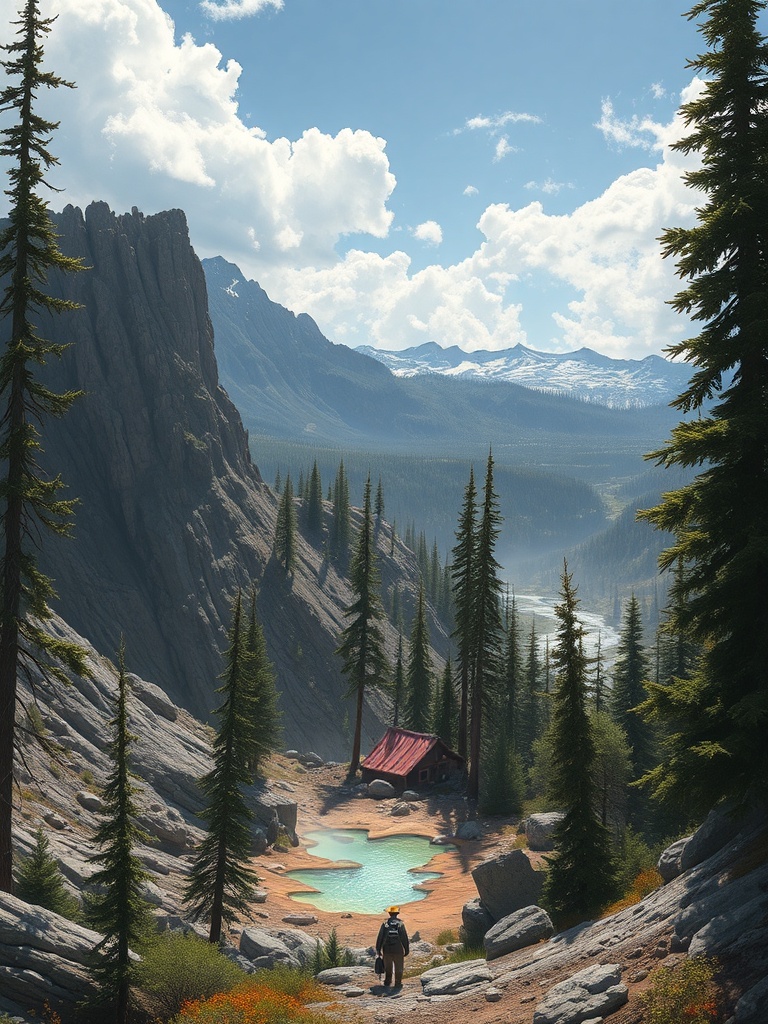
Geothermal wonders worth seeking out
– Old Faithful remains an iconic geyser with predictable eruptions and nearby visitor facilities, but the park’s best surprises are often found by wandering beyond the most popular boardwalks.
– Grand Prismatic Spring captivates with its vivid rings of color. View it from the designated overlook to get the full palette without trampling fragile ground.
– Mammoth Hot Springs showcases layered terraces formed by mineral-rich waters, a contrast to the boiling pools and steam vents elsewhere in the park.
Why staying on boardwalks and marked trails matters
Hydrothermal areas look stable but can be dangerously thin beneath the surface. Hot water and steam can erupt without warning. For your safety and to protect fragile microbial mats that give springs their color, always stay on boardwalks, obey signage, and keep pets on a leash where allowed.
Wildlife viewing with respect
Yellowstone’s animals are a major draw, but close encounters are risky for both people and wildlife. Maintain a minimum distance of at least 25 yards from most animals, and at least 100 yards from bears and wolves. Use binoculars or a telephoto lens for close-up views. If traffic stops for wildlife, stay in your vehicle unless directed otherwise—bison jams are common and animals can become aggressive when approached.
Practical visiting tips
– Arrive early to avoid crowds at popular geothermal basins and to increase chances of active wildlife sightings during dawn and dusk.
– Pack layers; weather can vary dramatically within a single day and across different elevations.
– Leave no trace: pack out trash, avoid feeding wildlife, and use established pullouts and parking areas to minimize roadside congestion.
Conservation and the park’s future
Yellowstone is ecologically complex. Protecting migratory corridors, reducing human-wildlife conflicts, and managing invasive plants and aquatic species are ongoing priorities. Science and monitoring play key roles in tracking geothermal activity, wildlife populations, and ecosystem health, guiding management decisions that balance access with preservation.
Quick safety checklist
– Stay on boardwalks and trails in thermal areas.
– Keep safe distances from all wildlife; use optics for viewing.
– Check park alerts and visitor center notices for closures and hazards.
– Respect posted speed limits and parking rules to reduce wildlife collisions.
– Carry water, a map, and basic supplies—cell service is limited in many areas.
Yellowstone is more than a collection of scenic stops; it’s an active, interconnected system that rewards slow travel and curiosity. Come prepared, tread lightly, and you’ll leave with memorable encounters and a deeper appreciation for one of the planet’s most dynamic wild places.