A living, breathing geothermal laboratory
Beneath Yellowstone lies a vast volcanic caldera that fuels more than half the world’s geothermal features. Geysers like Old Faithful erupt on predictable schedules, while colorful hot springs—most famously the Grand Prismatic—display steaming bands of bacterial mats and minerals. These features are fragile and dangerously hot; staying on boardwalks and marked trails protects both visitors and the park’s delicate microbial ecosystems.
Wildlife: viewing with respect and distance
Yellowstone’s megafauna—bison, elk, moose, wolves, and grizzly bears—are major draws. Observing animals from a safe distance is essential for human safety and animal welfare. Use binoculars or telephoto lenses, never feed wildlife, and be prepared for sudden animal-related traffic delays, which are common when a herd or predator appears near the road.
During calving and rutting seasons, give extra space to mothers and territorial animals.
Outdoor activities and how to plan them
Scenic drives along the Grand Loop offer access to many of the park’s signature sites, but some of the best experiences come on foot. Popular hikes range from short boardwalk strolls through thermal basins to longer backcountry treks that require a permit. Check trail difficulty and elevation gain before setting out, pack layers for rapidly changing mountain weather, and carry water and a basic first-aid kit.
Practical safety and conservation tips
– Stay on designated paths and boardwalks in thermal areas; ground crust can be thin and water scalding.
– Keep a safe distance from all wildlife—at least several car lengths—and never attempt to approach or touch animals.
– Store food and scented items in approved bear-proof containers where required, and follow all local food storage regulations.
– Practice Leave No Trace principles: pack out trash, avoid trampling vegetation, and minimize campfire impacts where allowed.
– Check official park resources for road closures, trail conditions, and wildlife advisories before departure.
Photography and timing
Early morning and late afternoon deliver the best light for photography and increase chances of wildlife sightings.
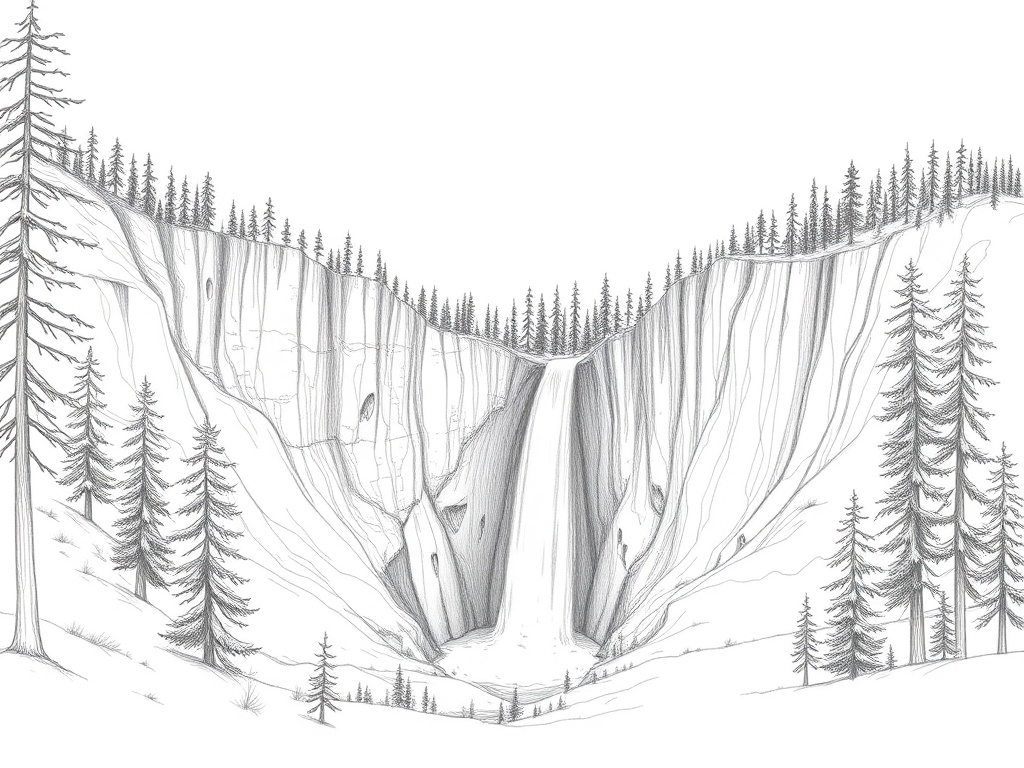
Thermal basins often produce ethereal steam at dawn, creating dramatic compositions. Use a polarizing filter for deeper skies and maintain a steady tripod for long exposures—just be mindful of crowded overlooks and allow others a chance to enjoy the view.
Sustainable visitation
Parking, shuttle services, and visitor facilities can become crowded during peak periods. Consider visiting during shoulder seasons or exploring less-visited areas such as the Bechler region or the park’s high elevations to reduce congestion. Supporting local outfitters for guided tours helps spread visitation impacts and deepens understanding of local ecosystems.
Before you go
Always verify current park alerts, permit requirements, and safety advisories from official sources.
Thoughtful planning, respectful behavior, and an awareness of the park’s dynamic natural processes make a Yellowstone visit memorable and help preserve the landscape for future generations.
Leave a Reply