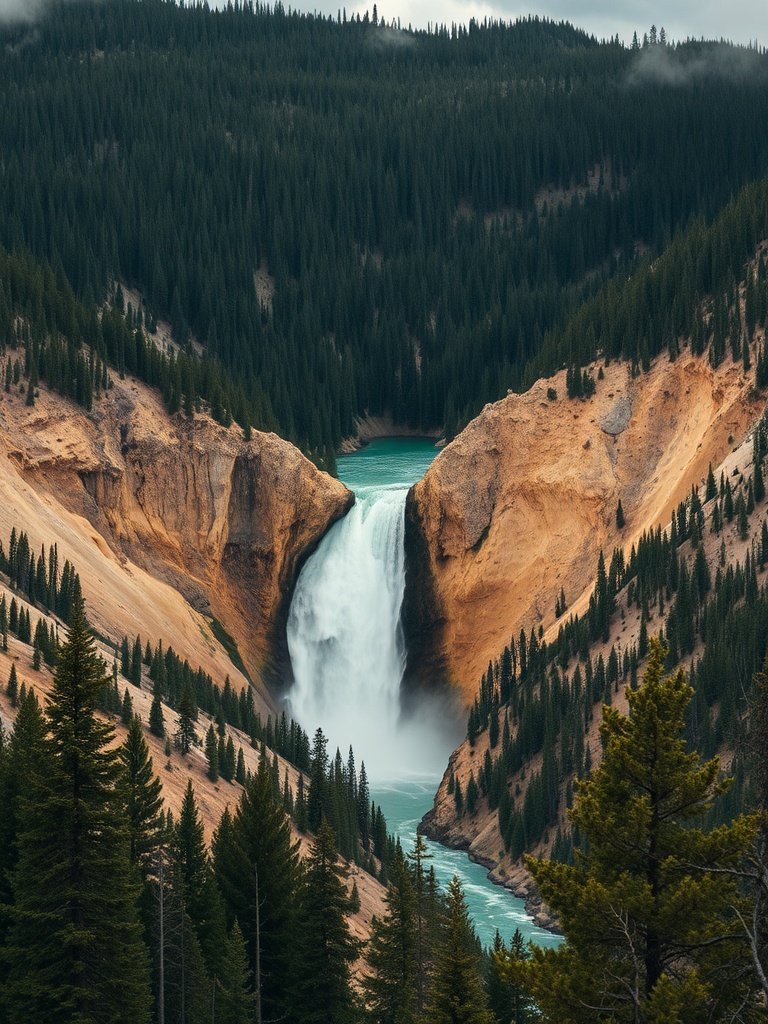
Yellowstone National Park blends dramatic geology, iconic wildlife, and world-class geothermal spectacles into a landscape unlike any other. Visiting with awareness makes the experience richer and safer—whether you’re chasing steam, photographing vibrant hot springs, or watching bison graze against a backdrop of steam and canyon walls.
Why Yellowstone draws visitors
At the heart of the park is a vast volcanic caldera that fuels thousands of hydrothermal features. Geysers, hot springs, mud pots, and fumaroles create an ever-changing palette of color and motion. Beyond the steam, wide valleys and rugged canyons host abundant wildlife—bison, elk, wolves, and bears—making the park a premier destination for nature lovers and photographers.
Top geothermal highlights
– Old Faithful: Famous for its predictability, this geyser remains a must-see. Nearby boardwalks and viewing areas allow visitors to witness eruptions safely and comfortably.
– Grand Prismatic Spring: Known for vivid concentric colors created by heat-loving microbes, this spring is best appreciated from the overlook or the boardwalk below.
– Mammoth Hot Springs: Terraced limestone formations create otherworldly textures and tones, shaped by mineral-rich waters flowing over time.
– Norris Geyser Basin: One of the hottest and most dynamic hydrothermal areas, offering dramatic steam vents and acidic pools.
Wildlife watching essentials
Lamar Valley and Hayden Valley are famed for wildlife viewing, especially at dawn and dusk when animals are most active. Use binoculars or a telephoto lens, stay in your vehicle near roads, and keep a safe distance—wild animals are unpredictable. Expect “bison jams”: slow-moving wildlife traffic is common and part of the experience. Respect closures and signage to protect both visitors and animals.
Safety and conservation
Hydrothermal features are extremely fragile and dangerously hot. Stay on boardwalks and designated trails—ground off the paths can be thin and scalding. Heat, thin crusts, and acidic water have caused serious injuries to those who ignore warnings. Carry water, wear layered clothing for rapidly changing weather, and be aware of high altitude effects like fatigue or shortness of breath.
Practice responsible wildlife etiquette: never approach or feed animals, store food and scented items in approved containers, and know basic bear-safety guidelines before entering backcountry areas.
Follow Leave No Trace principles to minimize your footprint.
Practical tips for a better visit
– Plan for variable weather: mountain conditions can change quickly, so dress in layers and prepare for sun, wind, rain, or snow.
– Expect limited cell service in many areas; download maps and park information ahead of time.
– Peak visitor times can be crowded—arrive early to popular sites or explore lesser-known trails for more solitude.
– Fishing, camping, and backcountry travel require permits or adherence to regulations—check park resources for current rules before you go.
– Photography: early morning and late afternoon light enhances colors and wildlife activity. Use a polarizing filter for reflections on hot springs and lake surfaces.
Yellowstone offers a rare combination of dynamic geology and thriving ecosystems. Observing safety guidelines and conservation practices ensures these features remain spectacular for future visitors. Whether you’re drawn by the science of geothermal processes, the thrill of wildlife sightings, or the sheer beauty of the landscape, mindful exploration unlocks the park’s richest experiences.