Whether planning a first trip or returning for another visit, understanding the park’s geothermal wonders, wildlife behavior and safety practices makes for a richer, safer experience.
Geothermal highlights
Yellowstone sits atop a vast volcanic system, so geothermal activity is visible everywhere. Must-see features include erupting geysers, sinter-lined terraces and vibrant hot springs. Grand thermal basins reveal striking colors created by heat-loving microbes called thermophiles; the deeper blues indicate scalding water where few microbes survive, while orange and green rings mark cooler zones rich in microbial life. Walk the boardwalks at major basins and give each feature the respect it deserves — thermal ground is fragile and unpredictably hot.
Top places to visit
– Old Faithful–reliable eruptions draw crowds, but explore nearby geyser basins for quieter viewing.
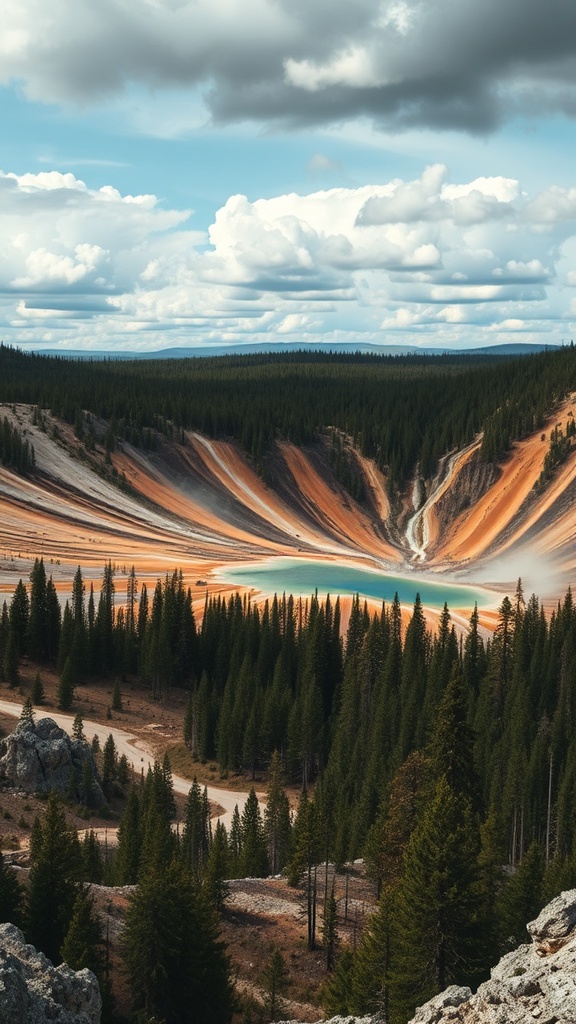
– Grand Prismatic Spring–view the rainbow hues from the overlook for the best perspective.
– Mammoth Hot Springs–terraced travertine formations create sculptural landscapes.
– Lamar and Hayden Valleys–prime spots for wide-open wildlife viewing, especially at dawn and dusk.
– Yellowstone Falls and the Grand Canyon of the Yellowstone–dramatic vistas and scenic hikes.
Wildlife tips and etiquette
Yellowstone is home to bison, elk, bears, wolves and many other species. Animals are wild and unpredictable — observe from a safe distance:
– Stay at least 100 yards from bears and wolves; keep at least 25 yards from bison, elk, moose and other large animals.
– Use binoculars or a telephoto lens for close-up views.
– Never feed wildlife or attempt to touch them.
– If you encounter a wildlife-related traffic jam, remain in your vehicle and avoid approaching the animals.
Safety around thermal areas
Never leave boardwalks or marked trails near thermal features. Thin ground and superheated water can cause severe injury or death. Keep children and pets under control — pets are restricted in most backcountry and thermal areas for safety.
Conservation and stewardship
Yellowstone’s ecosystems are fragile. Simple actions protect the park:
– Pack out all trash and follow Leave No Trace principles.
– Clean boats and gear to prevent spreading aquatic invasive species; comply with watercraft inspections.
– Respect fishing regulations and restoration efforts aimed at protecting native trout populations.
– Stay informed about any closures or restrictions to protect wildlife during sensitive periods, such as calving or migration.
Practical planning tips
– Start drives early or visit popular features during off-peak hours to avoid crowds.
– Check park alerts for road closures, weather, wildfire smoke and trail conditions before heading out.
– Carry layers — weather can change quickly at higher elevations — and bring water, snacks and a printed map when cell service is limited.
– Consider ranger-led programs to learn more about geology, wildlife and conservation from experts.
Photography pointers
Golden hour light enhances landscapes and wildlife.
Use a telephoto lens for animals and a wide-angle for geyser basins and canyons. Be mindful of crowds and natural features: never step off a boardwalk for the perfect shot.
Yellowstone rewards patience and respect. Observing rules, planning ahead and embracing a conservation mindset helps ensure these extraordinary landscapes and wild inhabitants remain intact for future visitors. Check official park resources for the latest alerts and guidance before your visit.