What to see and why it’s special
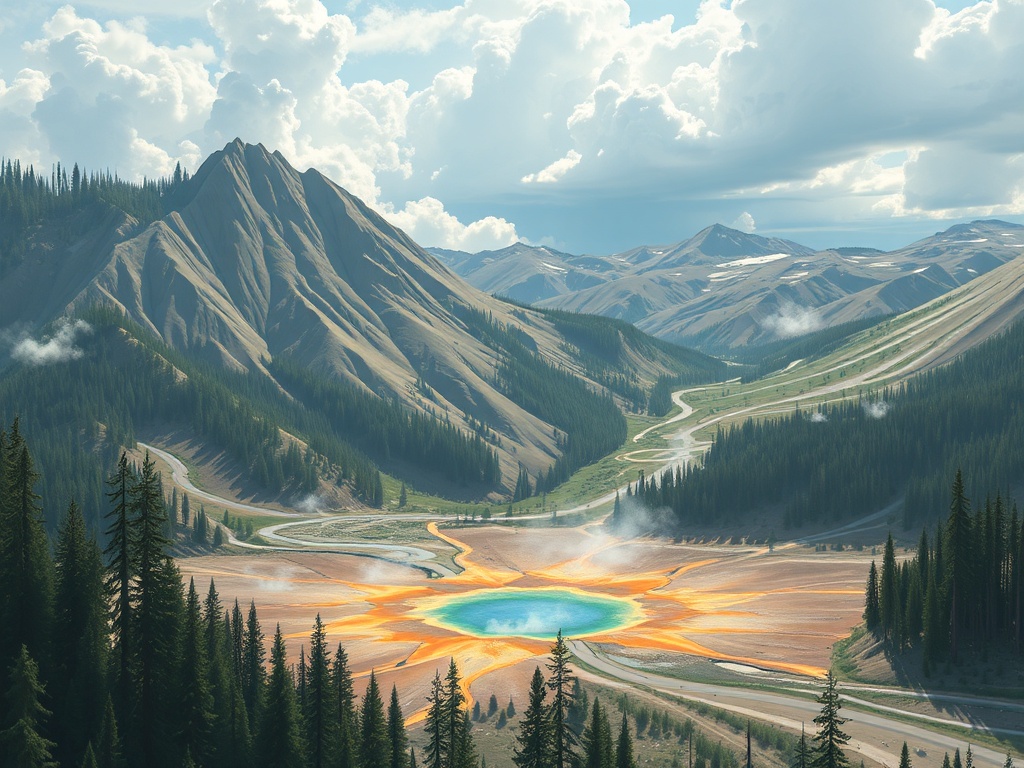
– Geothermal wonders: Old Faithful remains a must-see for predictable eruptions, but the park’s real spectacle is its variety. The Grand Prismatic Spring stuns with vivid microbial colors, while lesser-known features in Norris and West Thumb reveal intense, shifting chemistry beneath the surface. Boardwalks and designated viewing areas let you explore safely — never step off them.
– Wild Yellowstone: Lamar Valley and Hayden Valley are prime for bison, elk, and predator viewing.
Grizzly and black bears, wolves, coyotes, and a thriving population of raptors add to the wildlife draw. Remember that animals follow their own schedules; patience and quiet observation are rewarded more often than close encounters.
– Dramatic landscapes: The Grand Canyon of the Yellowstone and its waterfalls offer sweeping views and easy-to-reach overlooks.
Rustic mountain roads lead to alpine lakes, meadows, and geothermal basins that are photogenic at sunrise and sunset.
Safety and etiquette
– Thermal hazards: Hot spring crusts can be thin and water temperatures can cause severe burns. Stay on boardwalks and trails, supervise children closely, and keep dogs out of thermal areas.
– Wildlife distances: Keep a minimum distance of at least 25 yards from large animals and at least 100 yards from bears and wolves. Use binoculars or a telephoto lens for close-up photos, and never attempt to feed or approach wildlife.
– Bear preparedness: Carry bear spray in an accessible place and know how to use it. Hike in groups when possible, make noise on blind corners, and follow published bear-safety guidelines.
– Traffic and jams: Wildlife sightings often create roadside crowds.
Pull completely off the road into designated pullouts, avoid blocking traffic, and be patient — unsafe behavior can endanger people and animals.
Practical planning tips
– Timing: Early mornings and late afternoons are best for wildlife activity and softer light for photography.
Midday brings more visitors and stronger sun.
– Reservations and access: Popular entrances and lodgings fill quickly; check official park resources for current road conditions, closures, and any reservation requirements before arrival.
– Photography gear: Bring a zoom lens for animals and a wide-angle lens for landscapes. A polarizing filter enhances spring colors and reduces glare on water.
– Leave no trace: Pack out what you pack in, minimize campfire impacts where allowed, and respect posted closures. Drones are not permitted inside the park.
How to make the most of a visit
– Pick a focus: With limited time, prioritize either geothermal areas, a wildlife-focused morning in Lamar Valley, or a scenic loop that includes the canyon and falls.
– Join ranger programs: Guided walks and talks deepen understanding of geology, ecology, and ongoing conservation work.
– Stay flexible: Weather and wildlife are unpredictable. A flexible itinerary often leads to the most memorable experiences.
Yellowstone rewards those who come prepared and curious. By following safety rules and conservation practices, visitors help ensure that the park’s geysers, springs, and wildlife will continue to inspire the next generation of explorers.
Leave a Reply