Whether you’re planning a visit or tracking energy trends, understanding how Wyoming balances renewable development with public land stewardship offers a useful snapshot of modern rural change.
Why Wyoming for wind?
Wyoming’s geography delivers consistent, powerful winds across high plains and ridgelines, creating prime conditions for large-scale wind farms. Those same landscapes have long supported ranching, wildlife migration, and outdoor recreation, so careful siting and community engagement are key to success. Wind projects bring lease payments to landowners, new tax revenue for small towns, and jobs in construction and operations — benefits that help diversify an economy historically linked to extractive industries.
Transmission and grid integration
One of the biggest conversations revolves around moving clean power from remote wind zones to population centers. Expanding transmission capacity is a regional challenge that requires cooperation among utilities, regulators, and land managers. Battery storage and smart-grid technologies are increasingly part of project planning, helping smooth variable output and making wind energy more reliable for utilities and consumers.
Balancing wildlife and habitat
Conservationists, developers, and state agencies are working to reduce impacts to sage-grouse, pronghorn migration corridors, and other sensitive species. Best practices include micro-siting turbines away from key habitat, using technology to detect and deter wildlife collisions, and restoring disturbed areas after construction. Partnerships with conservation groups and tribal nations support landscape-level planning that aims to protect biodiversity while allowing responsible development.
Local communities and tourism
Many Wyoming towns see wind projects as an economic lifeline, especially where traditional industries have declined.
Lease payments provide predictable income for ranches and counties, while new revenues fund schools, roads, and emergency services. At the same time, Wyoming’s tourism industry — from national parks to backcountry trails — depends on intact scenic values. Developers increasingly consider visual impact, access roads, and seasonal restrictions to minimize disruption to visitors and recreation businesses.
Outdoor recreation opportunities
Wind development and outdoor tourism coexist most smoothly when stakeholders collaborate early and transparently. Trails and wildlife viewing areas can remain accessible, and some projects include community benefits like improved roads, trailheads, or habitat restoration funds. For visitors, Wyoming still offers iconic experiences: wide horizons for stargazing, high-country hiking, river floating, and wildlife photography. Responsible exploration and respect for private land keep those experiences viable.
What to watch for
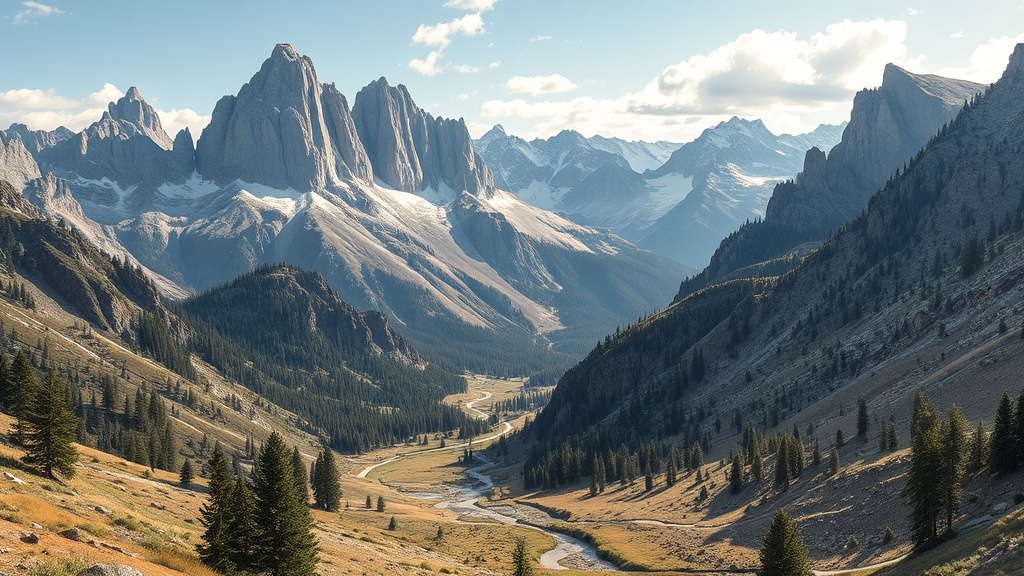
– Project permitting that includes public comment and wildlife data helps produce better outcomes.
– Innovations in transmission and storage reduce the need for fossil backup and increase grid resilience.
– Community benefit agreements are becoming more common, linking project success to local priorities.
Wyoming is an evolving energy landscape where modern renewables, traditional livelihoods, and spectacular public lands intersect. That intersection presents both challenges and opportunities — for ranchers, recreation businesses, conservationists, and energy planners alike. Visitors and residents who stay informed and engaged help shape development that supports local economies while preserving the open spaces that define the state. Consider a visit with a mind toward conservation: leave no trace, stay on designated routes, and support local businesses that invest in their communities.