Why people come (and stay)
Wyoming attracts visitors for Yellowstone’s geysers and Grand Teton’s dramatic peaks, but the state’s appeal goes beyond headline parks. Scenic drives, river float trips, world-class trout fishing, and expansive public lands provide endless options for day trips and extended backcountry adventures. Small towns add cultural variety—rodeo traditions, arts communities, farm-to-table dining, and seasonal festivals keep local calendars lively.
Outdoor recreation essentials
Planning is key to enjoying Wyoming outdoors safely. High elevations and rapidly changing mountain weather make layered clothing and altitude awareness essential. For backcountry trips in bear country, carry and know how to use bear spray; secure food properly and follow local wildlife guidance.
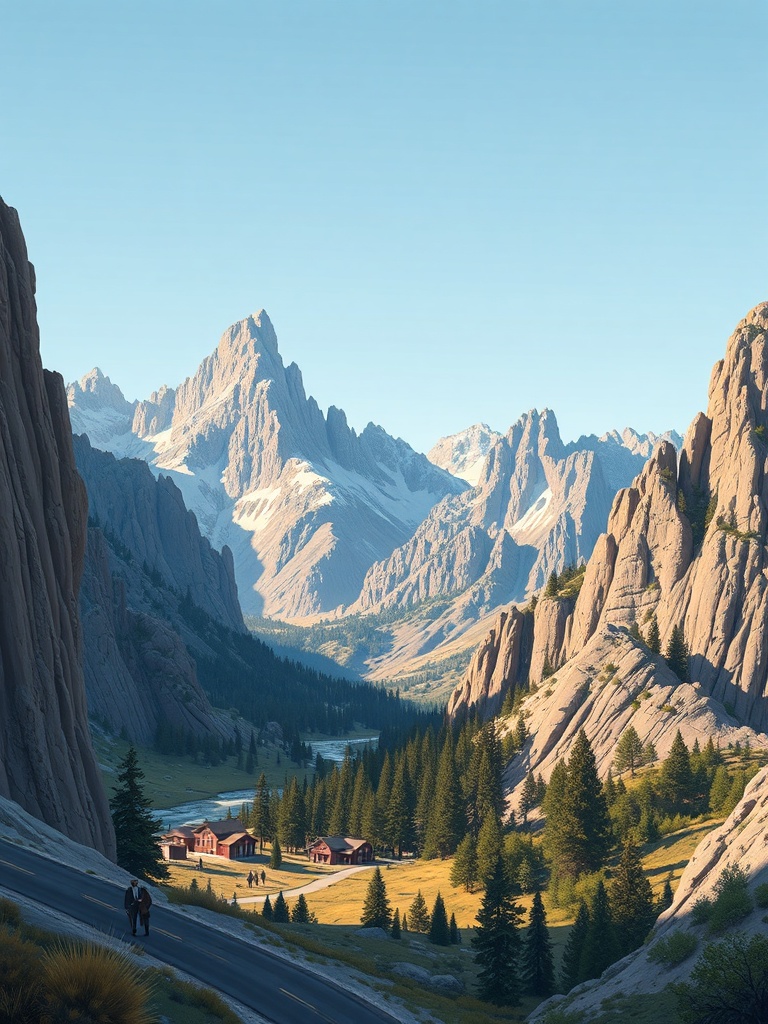
Many popular trails and camping spots use permit systems—check official park and forest websites before heading out. Leave No Trace principles protect fragile alpine and sagebrush ecosystems and ensure visitors can enjoy the landscape for years to come.
Wildlife and conservation
Wyoming’s wildlife—bison, elk, moose, pronghorn, and abundant birdlife—draws photographers and naturalists.
Ongoing conservation work focuses on preserving migration corridors, restoring sagebrush habitat, and balancing wildlife needs with ranching and development.
Efforts to reestablish native species and manage human-wildlife interactions illustrate the state’s commitment to conserving biodiversity while supporting working landscapes.
Energy and economic transition
Traditionally known for fossil fuels and mineral extraction, Wyoming is also adapting to new energy dynamics.
Wind resources across wide basins create potential for renewable energy development, while geothermal and battery storage receive growing interest. These shifts are influencing local economies, creating jobs in construction, operations, and related services, and prompting communities to plan for resilient, diversified futures.
Living and working in Wyoming
Low population density and big skies appeal to remote workers and entrepreneurs seeking space and a lower cost of living than many coastal metros. Broadband expansion projects and local incentives aim to make rural communities more connected and business-friendly. Real estate markets vary widely—mountain resort areas often differ from agricultural valleys and high plains—so prospective buyers should research local services, school systems, and access to healthcare.
Travel tips and practicalities
– Check road and weather conditions before driving long distances; mountain passes can change quickly.
– Make reservations early for lodging and popular trailhead parking during peak seasons.
– Respect private property and working ranch operations—ask before exploring private lands.
– Support local businesses: independent outfitters, diners, and galleries help sustain rural economies.
Why it matters
Wyoming remains a living example of wide-open country that supports both outdoor recreation and working landscapes. Its evolving energy mix, conservation priorities, and the growing appeal for remote living make it an engaging place for visitors and residents alike. Whether you’re planning a trip to see geysers and peaks, scouting a move, or looking into the state’s outdoor recreation and energy opportunities, Wyoming offers a blend of raw nature, culture, and community that’s hard to find elsewhere.