Wyoming draws visitors and new residents for one simple reason: big, unspoiled landscapes that invite exploration. From iconic national parks to quiet backcountry and growing economic opportunity, this state blends classic Western culture with modern momentum. Here’s what makes Wyoming worth watching — and visiting.
Iconic parks and outdoor recreation
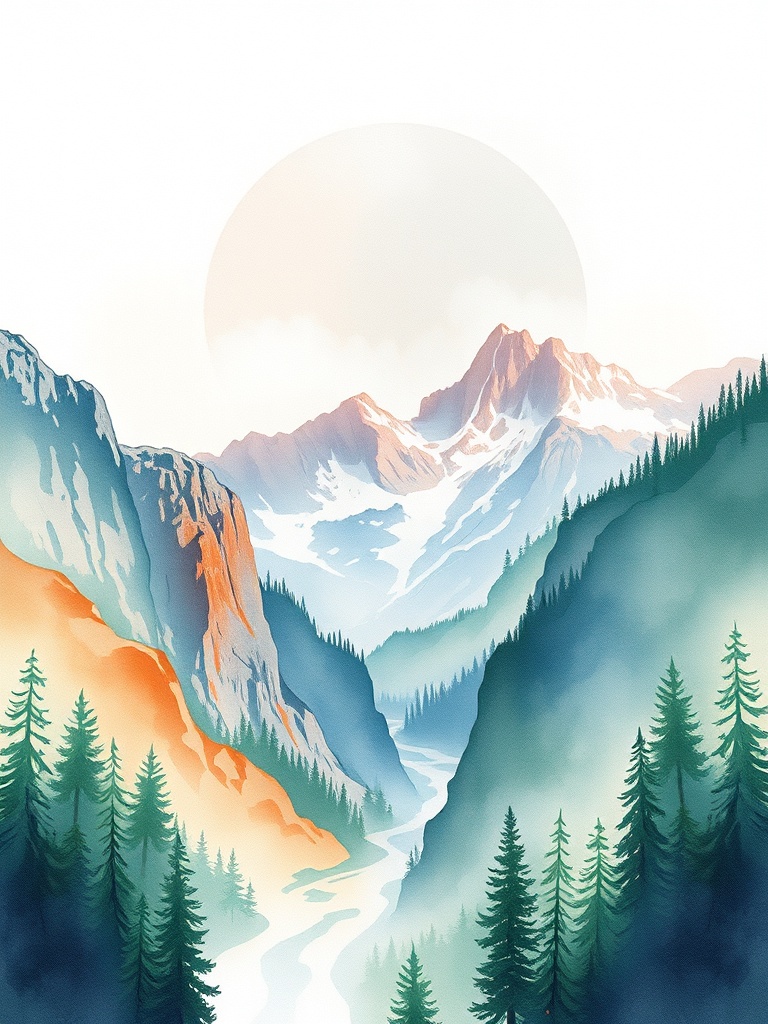
Yellowstone and Grand Teton remain the crown jewels for travelers. Geysers, hot springs, dramatic canyons, and alpine peaks offer endless photography, hiking, and wildlife-watching opportunities. Beyond those landmarks, a network of national forests, wilderness areas, and BLM land creates vast access for backpacking, mountain biking, fly-fishing, and horseback riding.
Winter changes the landscape into a playground for skiers and snowmobilers. Jackson Hole keeps a high profile for backcountry access and steep runs, while smaller resorts and ungroomed trails cater to those seeking quieter terrain. Summer brings river rafting, scenic drives, and abundant trail options for all skill levels.
Wildlife and conservation
Big-game migrations and open-range grazing create vibrant wildlife-viewing opportunities. Elk, bison, pronghorn, moose, and bighorn sheep are commonly spotted, and birders enjoy raptors and waterfowl around wetlands and reservoirs. Conservation efforts aim to balance habitat protection with outdoor recreation and energy development, so planning ahead and practicing responsible viewing are essential to protect sensitive species and their corridors.
Ranching, rodeos, and Western culture
Ranching remains a strong cultural and economic backbone. Small towns celebrate that heritage with rodeos, county fairs, and community events that welcome visitors looking for authentic Western experiences. Historic ranch stays and dude ranches offer immersive ways to experience the lifestyle, from cattle work to guided trail rides.
Energy transition and economic opportunity
Wyoming’s energy profile is evolving. Traditional industries like coal and natural gas still play important roles, while wind and solar projects are growing alongside mineral exploration, including interest in battery metals and other critical resources.
Entrepreneurs and energy companies are navigating the balance between economic opportunity and stewardship of public lands.
A supportive business climate has also attracted fintech and tech companies exploring new regulatory frameworks.
Dark skies, stargazing, and small-town charm
Low light pollution makes Wyoming a standout for astronomy and stargazing. Many parks and small communities host dark-sky events and viewing nights.
After a day on the trail, the night sky’s clarity is an attraction in itself, drawing photographers and amateur astronomers.
Practical tips for visitors
– Respect wildlife: Keep a safe distance and never feed animals.
Use binoculars and telephoto lenses for close-up views.
– Make reservations when possible: Popular areas and guided experiences can fill quickly during peak seasons.
– Prepare for changing weather: Mountain and high-desert climates can shift rapidly.
Layered clothing and emergency supplies are smart for any excursion.
– Support local businesses: Dining in small towns, buying handcrafted goods, and using local guides helps sustain rural economies.
Whether you’re chasing geothermal wonders, seeking solitude under vast skies, or exploring evolving economic landscapes, Wyoming offers a mix of timeless scenery and contemporary momentum. It’s a place where the outdoors remains central to daily life, and where careful stewardship can keep those wide-open spaces thriving for generations of visitors and locals alike.