From towering mountain ranges to sweeping sagebrush basins, the state balances outdoor recreation, working landscapes, and energy development—creating both opportunities and challenges for visitors and residents.
Why people come
Wyoming draws people for its national parks, wildlife viewing, and small-town character. Iconic landscapes offer hiking, rafting, climbing, and skiing, while quieter backroads lead to lesser-known trailheads and fishing holes. Ranching and rodeo traditions remain strong, giving travelers a chance to experience authentic Western culture alongside modern amenities in towns like Jackson and Cody.
Wildlife and wild places
Wildlife viewing is a major draw, with elk, bison, pronghorn, moose, and bears inhabiting a mosaic of public and private lands.
Migration corridors are essential for many species, and conservation groups, state agencies, and private landowners are increasingly focused on protecting these routes from fragmentation. Respecting wildlife distances and avoiding off-trail travel helps minimize human-wildlife conflict and preserve vital habitat.
Energy and landscape change
Wyoming has long been a major energy producer, with coal, natural gas, and oil contributing to local economies. At the same time, the state’s wide-open landscapes and strong wind resources make it a frontier for renewable energy projects like wind and solar. Balancing energy development with wildlife, recreation, and ranching requires careful planning and community engagement—an ongoing conversation in many parts of the state.
Managing recreation impact
As visitation grows in popular areas, managing recreation impact is a priority.
Trail erosion, campsite crowding, and wildlife disturbance can degrade the visitor experience and ecological health. Land managers and nonprofits promote strategies such as permit systems for sensitive areas, seasonal trail closures to protect wildlife during critical periods, and durable campsite design to reduce user impacts.
Practical tips for visiting responsibly
– Prepare for variable weather: layers and solid footwear make a big difference at higher elevations.
– Keep wildlife wild: observe from a safe distance, never feed animals, and store food properly.
– Use established trails and campsites to minimize erosion and habitat damage.
– Follow fire restrictions and practice responsible campfire behavior; wildfires can spread quickly in dry conditions.
– Learn about area-specific rules—some places require permits or have seasonal access limits.
Cultural and community experiences
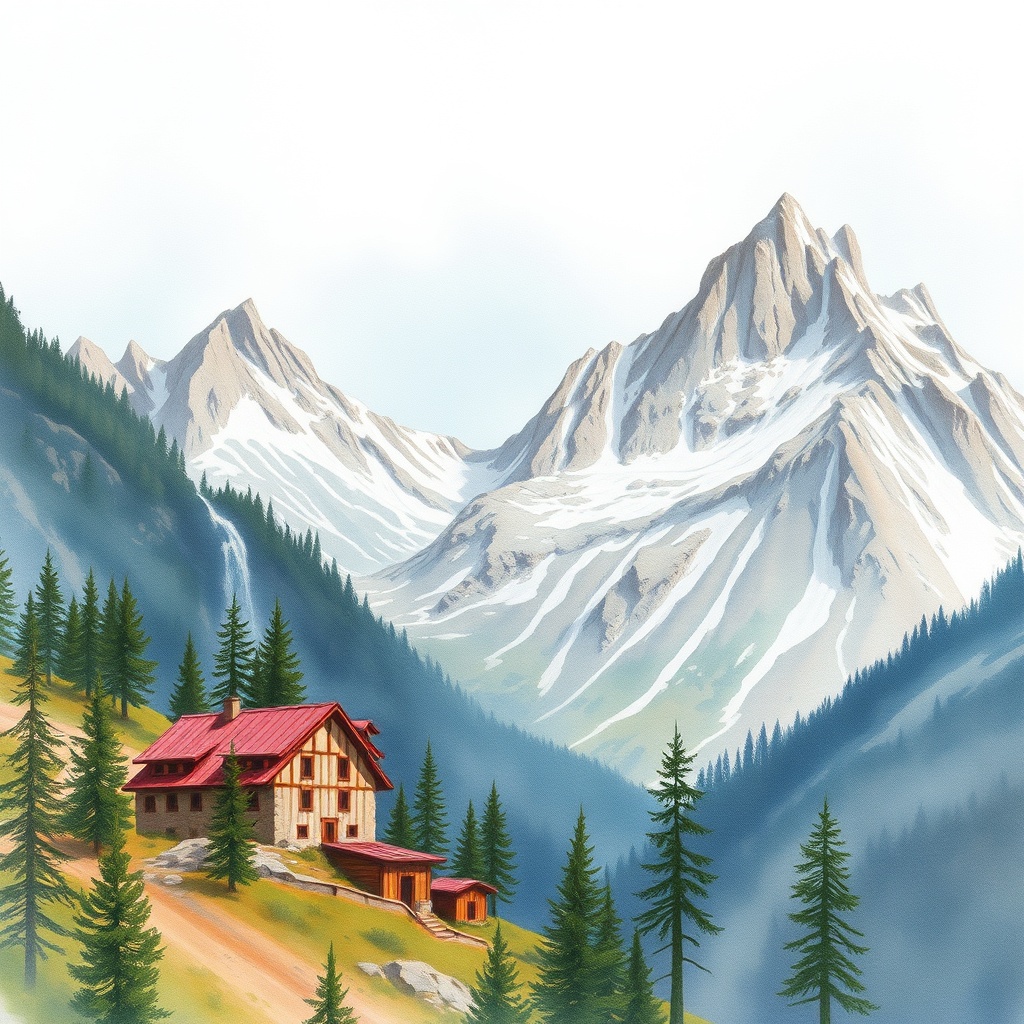
Beyond outdoor pursuits, Wyoming’s communities offer thriving arts scenes, rodeos, local festivals, and small museums that tell the region’s cultural and natural history. Agriculture remains a cornerstone of the local economy, and many ranches welcome visitors for authentic experiences like trail rides and working-livestock demonstrations.
Planning your trip
Whether seeking solitude on a backcountry trail or a wildlife viewing window in a national park, plan ahead to avoid crowded travel windows and to secure necessary permits or reservations. Local visitor centers and land-management agencies provide up-to-date information on trail conditions, closures, and safety considerations.
Wyoming’s combination of dramatic landscapes, resilient communities, and evolving land-use conversations makes it a rich destination for exploration and learning. Visiting with preparation and respect helps ensure those wide-open places remain wild and welcoming for future travelers and the species that depend on them.
Leave a Reply