Wyoming’s draw is immediate: vast public lands, dramatic mountain ranges, geothermal hot spots, and a ranching culture that shapes daily life.
For travelers, outdoor enthusiasts, and people watching energy trends, Wyoming offers a rare combination of rugged recreation and strategic opportunity.
Explore the parks and public lands
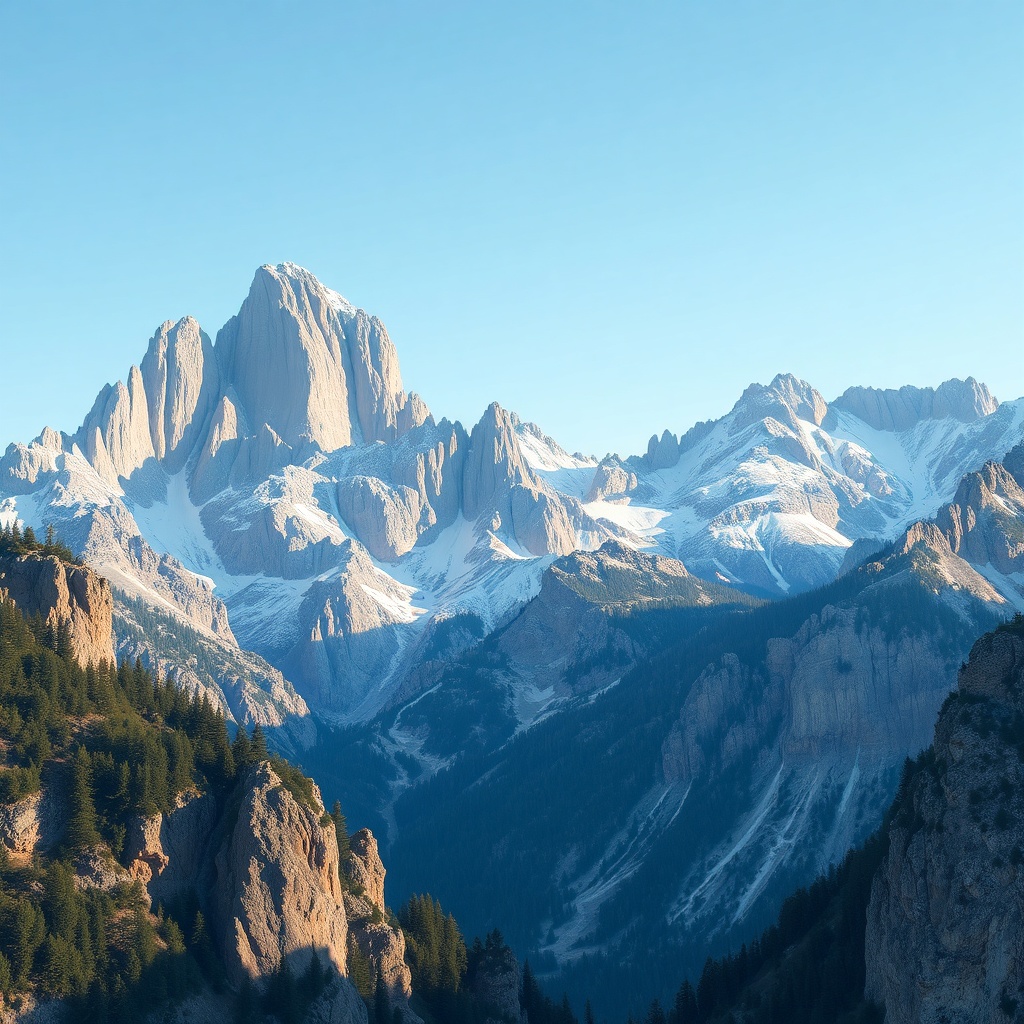
Yellowstone and Grand Teton anchor Wyoming’s outdoor reputation, but the state’s scenic variety extends far beyond the famous entrances.
Backcountry trails, scenic byways, and basin-to-peak hikes reward visitors with sweeping vistas and close encounters with wildlife. When planning a trip, prioritize seasonal access and leave-no-trace practices to protect fragile alpine meadows and riparian zones.
Wildlife viewing is exceptional: elk, bison, moose, pronghorn, and bighorn sheep are common sights in many regions. For safe and responsible viewing, maintain distance, store food properly, and follow local guidelines to minimize disturbance during sensitive times like calving or mating seasons.
Outdoor activities and safety
Recreation options include hiking, climbing, fishing, skiing, snowmobiling, and floating rivers.
High-elevation environments can change quickly—pack layers, navigation tools, and emergency supplies. Trailhead closures and wildlife-sensitive areas are managed by land agencies, so check official sources for permits and restrictions before you go.
Practical tips for travelers:
– Book lodging or campsites early for peak seasons; consider weekday travel to avoid crowds.
– Carry bear spray where recommended and know how to use it.
– Respect grazing lands and close gates when crossing ranch property.
– Keep a car emergency kit for remote drives; cell coverage is limited in many areas.
Energy transition and economic shifts
Wyoming is often associated with fossil-fuel production, but the state is also a frontier for energy transition initiatives.
Strong wind corridors and ample open land make Wyoming attractive for wind and solar development, while existing infrastructure and geological formations create opportunities for carbon management and geothermal projects.
Several projects focus on capturing and storing carbon, advancing hydrogen production, and deploying utility-scale renewables. These efforts aim to diversify the economy and create jobs in technology, construction, and operations while leveraging Wyoming’s logistical strengths. Local communities and tribal nations are increasingly central to planning discussions, emphasizing workforce development and environmental stewardship.
Ranching, culture, and small-town life
Ranching and rodeo remain cultural touchstones. Ranch operations, family-owned businesses, and agricultural fairs are integral to community identity. Small towns offer authentic hospitality, local artisans, and seasonal events that celebrate heritage. Supporting locally owned businesses sustains that character and helps rural economies thrive.
Conservation challenges and opportunities
Balancing development and conservation is an ongoing priority.
Habitat connectivity for wide-ranging species, water management in arid basins, and wildfire resilience are at the top of many agendas.
Collaborative approaches among federal agencies, state agencies, NGOs, tribes, and private landowners are producing creative solutions—from habitat restoration projects to community-based fire planning.
Plan your visit and stay informed
Whether visiting for adventure, studying energy trends, or experiencing Western culture, Wyoming rewards thoughtful planning and respect for the land.
Use official park and state websites for permitting, road conditions, and wildlife advisories. Pack for weather variability, prioritize safety, and embrace the opportunity to explore one of the country’s most iconic landscapes while observing how it continues to evolve.